
When you see crypto notation, the shorthand symbols and abbreviations used to represent cryptocurrencies and blockchain concepts. Also known as crypto symbols, it's the language everyone in crypto uses to talk about tokens, networks, and protocols—whether you're checking prices, reading a whitepaper, or joining a Discord group. If you don’t know what $PANDA, DCR, or ZARO stand for, you’re reading the news but not understanding it.
Every crypto project uses a ticker symbol—like BTC for Bitcoin or SOL for Solana—but not all of them are real. Some are scams pretending to be something big. The token abbreviations, short codes assigned to digital assets on exchanges and trackers. Also known as crypto tickers, they’re meant to make trading faster, but they’re also the first thing fraudsters fake. Look at the posts below: EXNCE doesn’t exist. YAE has no airdrop. PBR rumors are false. These aren’t typos—they’re traps. Real crypto notation comes from verified sources: CoinMarketCap, CoinGecko, official project sites. If a token’s symbol shows up only on a random Telegram channel, it’s not a coin—it’s a lottery ticket with no numbers.
Then there’s the blockchain terminology, the technical words used to describe how networks operate, from consensus mechanisms to tokenomics. Also known as crypto jargon, it’s what separates people who understand what they’re investing in from those who just chase hype. Terms like BFT, PoS, DL-AMM, or utility token aren’t buzzwords—they’re functional labels. If you know what Byzantine Fault Tolerance does for Solana, or why a security token needs SEC approval, you’re not just reading posts—you’re making smarter choices. That’s why posts on Decred’s hybrid consensus, MerlinSwap’s layer-2 tech, or the Howey Test aren’t just technical deep dives—they’re survival guides.
You’ll find real examples here: how Zaro Coin uses a 1,000-year lock to build a brand instead of a pump, how BOOST rewards social actions, not trades, and why Norway’s mining ban isn’t about energy—it’s about priorities. These aren’t random stories. They’re lessons in how crypto notation reflects real behavior, real rules, and real risks. Learn the symbols. Understand the terms. Then check the facts. The next time you see a new ticker, you won’t just click—you’ll know what to look for.
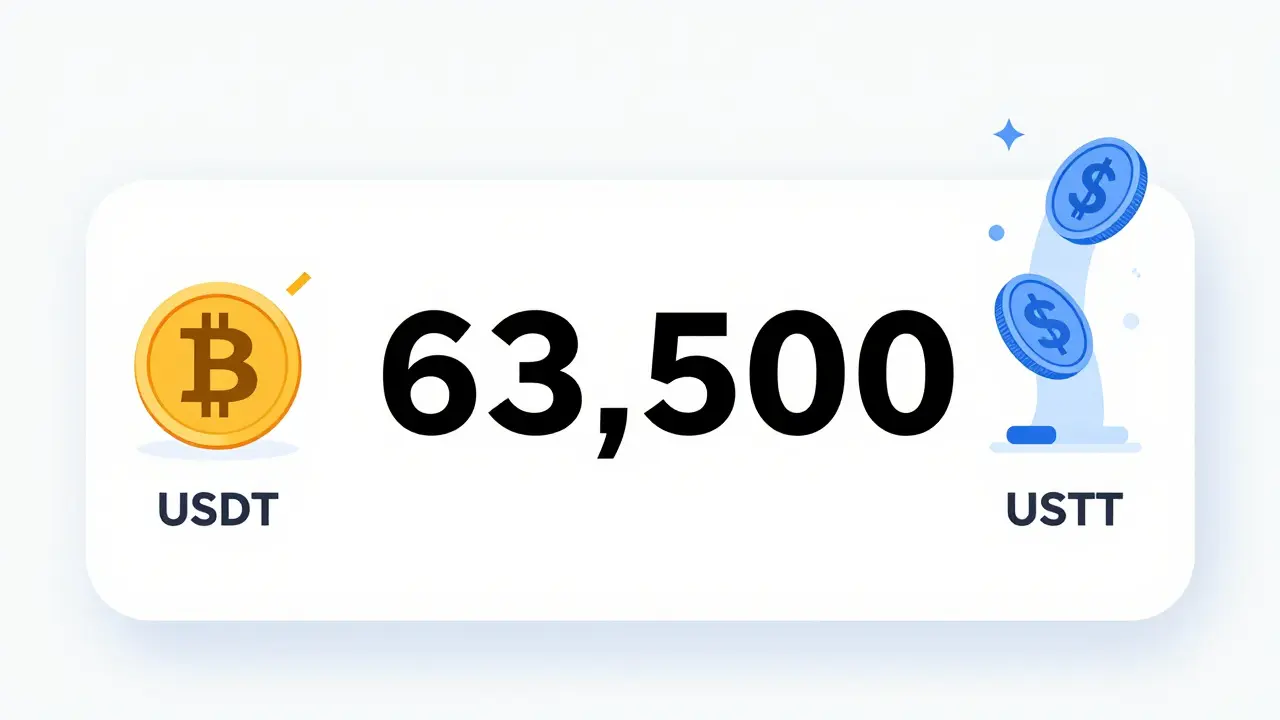
Learn how to read crypto trading pairs like BTC/USDT and ETH/BTC. Understand base and quote currencies, avoid common mistakes, and trade with confidence using the standard BASE/QUOTE system.
Tycho Bramwell | Dec, 5 2025 Read More