
When you think of data center restrictions Norway, regulatory policies that control where digital infrastructure can be built and operated within Norway. Also known as Nordic data sovereignty laws, these rules aren’t just about power usage—they shape who can host crypto nodes, cloud services, and blockchain data inside the country. Norway doesn’t ban crypto, but it makes it expensive and complicated to run large-scale operations there.
One major reason is energy. Norway gets over 98% of its electricity from hydropower, which sounds green—but the government tightly controls who gets access to it. Big data centers, especially those mining Bitcoin or running crypto exchanges, are seen as energy hogs. In 2023, new permits for high-power data centers were frozen in several regions. Even if you have the money, you can’t just build a server farm near Oslo or Bergen without proving your project adds real economic value beyond electricity use. This isn’t about anti-crypto sentiment—it’s about protecting public resources. The same logic applies to foreign-owned cloud providers: if your company is based in the U.S. or China and wants to store Norwegian citizen data locally, you need local legal representation and compliance with the data sovereignty, the principle that digital information must be stored and processed within the legal jurisdiction where it originates rules. That means no outsourcing to offshore servers unless you’re ready for audits and fines.
Then there’s the crypto regulations Norway, the legal framework governing cryptocurrency mining, trading, and exchange operations within Norway. The Financial Supervisory Authority of Norway (Finanstilsynet) doesn’t outright ban crypto, but it treats it like a high-risk asset. Any business offering crypto services must register, prove anti-money laundering controls, and disclose ownership. Many U.S.-based exchanges that tried to offer services to Norwegians got shut down because they didn’t meet local licensing standards. Even personal crypto mining is tracked—if your household electricity bill spikes by 30% without explanation, tax authorities might ask why. And forget about privacy coins like Monero or Zcash; they’re effectively blocked on all major Norwegian platforms.
These restrictions aren’t random. They’re part of a larger Nordic approach: tech is welcome, but not at the cost of stability, fairness, or environmental balance. If you’re running a DeFi project and thinking of setting up a node in Norway, you’ll need local legal counsel, a clear energy plan, and patience. Most crypto startups skip Norway entirely—not because they can’t, but because the cost and complexity outweigh the benefits. Yet for small, compliant operations—like a local wallet service or a research-focused blockchain lab—Norway remains one of the most secure, reliable places in Europe to operate. The rules are strict, but they’re clear. And in crypto, where so much is shady, that’s a rare advantage.
Below, you’ll find real-world examples of how these rules play out—from failed exchange attempts to crypto mining shutdowns, and how projects adapt when they can’t rely on cheap power or loose regulation. What works in the U.S. or Singapore often fails in Norway. But what survives here? It’s built to last.
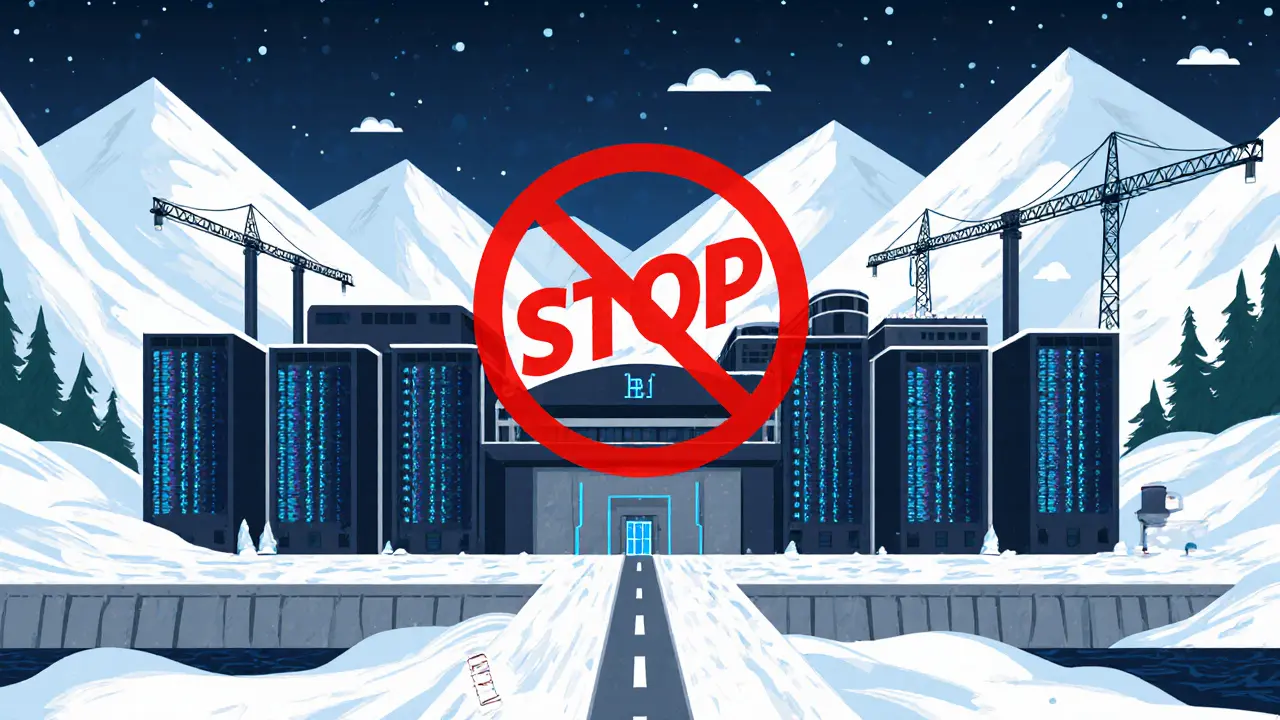
Norway banned new cryptocurrency mining data centers in autumn 2025 to protect its renewable energy for higher-priority industries. Existing mines can continue, but must register and face strict penalties for non-compliance.
Tycho Bramwell | Nov, 19 2025 Read More