
When you hear the term Trading Platform, software that lets users trade cryptocurrencies and tokens. Also known as exchange, it matches buyers and sellers through order books or automated market makers. You’ll also run into Decentralized Exchange, a peer‑to‑peer trading interface that runs on smart contracts. And the classic Crypto Exchange, a centralized service that holds user accounts and offers order matching. In short, a trading platform encompasses both DEXs and centralized exchanges, requires a wallet or account integration, and often powers options trading and staking services.
Think of a trading platform as the gateway to the whole crypto world. If you want to swap a token, buy a meme coin, or lock assets for staking, the platform you choose decides how fast, cheap and safe the process is. For beginners, a user‑friendly DEX tutorial – like the step‑by‑step guide on using Uniswap – makes the difference between a successful trade and a gas‑fee nightmare. For seasoned traders, the nuances of order types on a crypto exchange or the leverage options on an options‑trading platform can boost profits or cut losses.
Security is another pillar. Platforms that support validator node setups, for example, let you run a full node and earn staking rewards, but they also demand robust hardware and careful key management. Our guide on validator node requirements walks you through the hardware specs, staking thresholds and the backup strategies you need to avoid losing funds. Meanwhile, compliance pieces on KYC violations at big exchanges show why choosing a platform with strong AML practices matters for long‑term access.
Liquidity and fees shape every trade. A centralized crypto exchange like Binance or an aggregator such as BityPreco offers deep order books, meaning you can trade large amounts without moving the market. On the flip side, a DEX like ViteX promises fee‑free swaps but may list fewer pairs, so you might need to hop between platforms. The comparison tables in our exchange reviews give real‑world numbers on spreads, gas costs and withdrawal limits, helping you pick the right tool for each situation.
Beyond buying and selling, many platforms now bundle advanced features. Crypto options trading lets you hedge against price swings with calls and puts, while staking platforms let you lock tokens for passive yield. Our options‑trading guide breaks down the core concepts – strike price, expiry, and risk/reward – and points you to platforms that balance low fees with solid market depth. For those interested in the growing NFT space, we also explain how NFT‑backed supply‑chain platforms use blockchain to certify product provenance, adding another layer of utility to your trading toolkit.
All these pieces – from DEX tutorials and exchange fee breakdowns to validator node setups and options strategies – form a web of knowledge that any trader can tap into. Whether you’re figuring out how to bypass geo‑restrictions with a VPN, learning the quirks of the Iranian crypto market, or scouting the latest airdrops, the right trading platform is the foundation that lets you act quickly and securely.
Below you’ll find a curated collection of articles that dive deep into each of these areas. Expect clear explanations, practical steps and up‑to‑date data so you can choose, use and master the platforms that fit your goals.
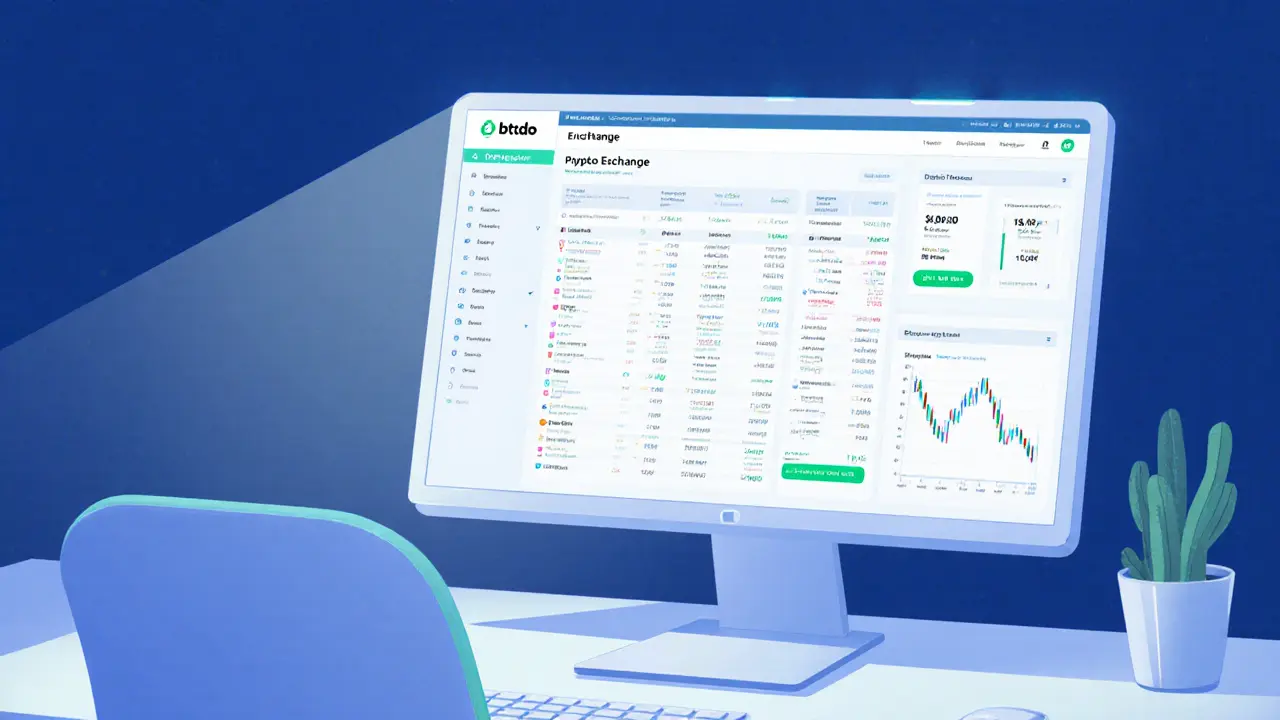
A detailed 2025 review of Btcdo Exchange covering fees, security, regulatory status, user experience, and how it stacks up against major crypto platforms.
Tycho Bramwell | Oct, 17 2025 Read More