
When working with validator hardware, the physical machines that run blockchain validator nodes and keep a Proof of Stake network alive. Also known as node equipment, it powers the consensus process for dozens of chains. Proof of Stake, a consensus mechanism where token holders lock assets to earn block rewards drives the demand for reliable devices, while Staking, the act of delegating or self‑bonding tokens to a validator in exchange for earnings determines how much hardware performance matters. Security‑focused validators often add a Hardware Security Module (HSM), a tamper‑resistant chip that stores private keys and signs blocks to protect their keys from attackers. Together, these elements shape a validator's ability to stay online, sign blocks on time, and collect rewards.
The first decision is the type of machine you’ll run. ASIC miners offer raw speed for networks like Solana that rely on high transaction throughput, but they’re expensive and often single‑purpose. GPU rigs give flexibility—good for Ethereum’s PoS transition and for chains that support multiple algorithms. ARM‑based boards such as the Raspberry Pi and RockPro Mini bring low power draw and can be tucked away in a home office, making them ideal for small‑scale validators on low‑cost networks like Cosmos. Each option has attributes you can map:
Beyond raw hardware, validator hardware requires stable internet, fire‑suppressed environments, and regular monitoring. A reliable fiber connection with at least 100 Mbps downstream and 20 Mbps upstream eliminates missed proposals. Redundant power supplies and UPS units form a safety net—if the grid fails, the node stays alive and avoids slashing penalties. Hardware Security Module (HSM) enhances this setup by storing signing keys offline; the node sends only signed messages, so even a compromised host can’t expose private keys. In short, “validator hardware encompasses specialized servers, while secure connectivity and power backup enable continuous operation.”
Cost versus reward is the next puzzle piece. Networks with high inflation, like Polkadot, offer generous staking yields that can offset a $1,500‑$3,000 initial outlay for a dedicated server. Meanwhile, low‑inflation chains such as Cardano expect modest returns, making a cheap ARM board a better fit. Proof of Stake influences hardware choice because the more frequent the block proposals, the tighter the timing requirements. “Proof of Stake influences validator hardware choices” is a key semantic link—if a chain produces blocks every second, you need low‑latency networking and fast CPUs; if it produces blocks every minute, a modest setup may suffice.
Many newcomers stumble over security and compliance. Just as exchange platforms like Btcdo and Loop Finance stress KYC and anti‑phishing measures, validator operators must protect their private keys and monitor for unusual traffic. Running a node behind a firewall, rotating SSH keys, and using a hardware‑based wallet or HSM can prevent the kind of breaches that landed Upbit in the headlines. Additionally, keeping the operating system patched and isolating the node in a container (Docker or Kubernetes) reduces the attack surface. Remember, a slashing event not only costs you staked tokens but can also damage your reputation, making future delegations harder to attract.
By now you’ve seen how validator hardware ties into staking economics, network requirements, and security best practices. Below you’ll find a curated list of articles that dive deeper into each of these areas—from hardware selection guides to real‑world case studies of validator performance on various chains. Grab the insights that match your budget and network goals, then start building a setup that keeps you online, secure, and earning.
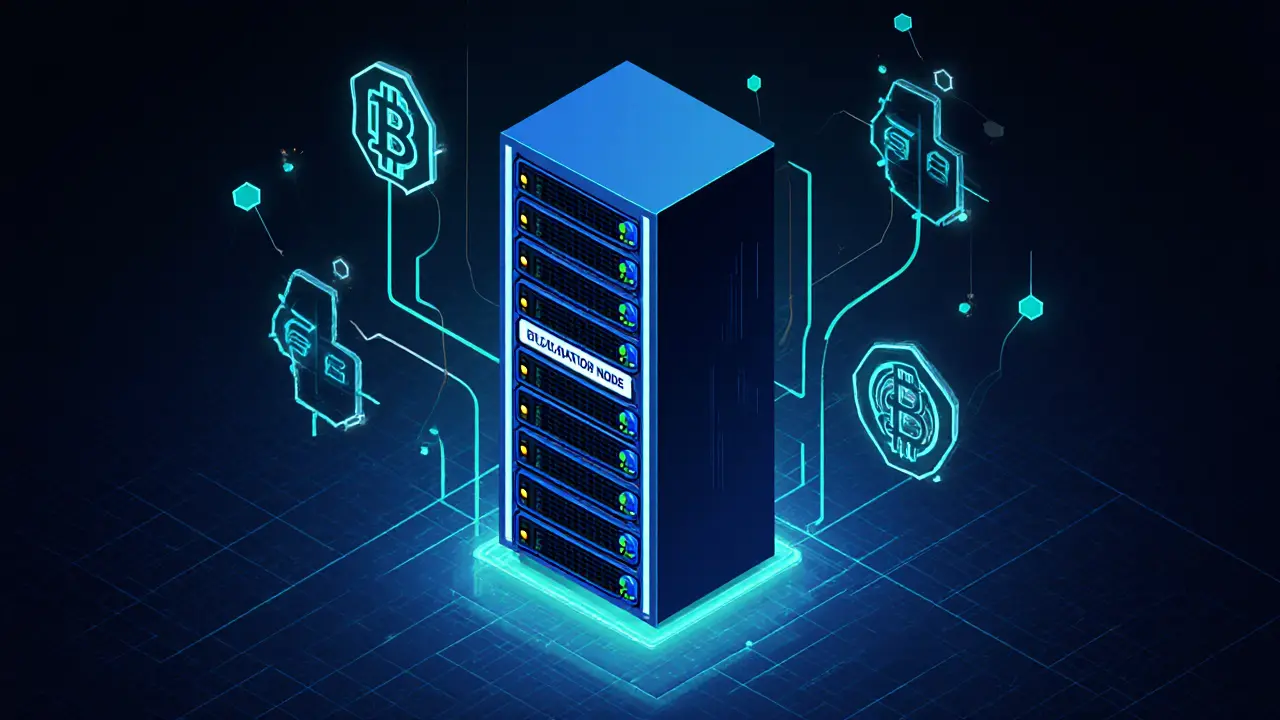
A step‑by‑step guide to launch a blockchain validator node, covering hardware specs, staking amounts, security tips, and a comparison table for top networks.
Tycho Bramwell | Oct, 18 2025 Read More