
Most people pick a crypto exchange because it has the biggest name or the lowest fee. But if you are trading derivatives or managing institutional capital, those factors often take a backseat to security architecture and risk management tools. B2Z Exchange is a cryptocurrency trading platform founded in 2022 by a team with over five years of collective experience in blockchain development and cryptocurrency trading, headquartered in Poland. It does not try to be the next Binance. Instead, it carves out a specific niche: a secure, professional-grade environment for spot and futures trading, primarily targeting European users who want robust risk controls without the complexity of institutional-only platforms.
If you have been hearing whispers about this Poland-based platform, you probably have questions. Is it safe? Can US residents use it? How do its fees compare to giants like Bybit or Kraken? This review breaks down what B2Z actually offers, where it falls short, and whether it deserves a spot in your trading portfolio in 2026.
What Is B2Z Exchange?
To understand B2Z, you need to look at its origins. Launched in 2022, the platform was built by a team that had already spent years in blockchain development. Their goal wasn't just to launch another generic exchange; they wanted to solve a specific problem: making high-level derivative trading accessible while maintaining enterprise-grade security. The platform operates as a multi-currency spot and futures trading hub, designed to bring efficiency to digital asset markets.
Unlike decentralized exchanges (DEXs) that rely on smart contracts alone, B2Z is a centralized exchange (CEX). However, it distinguishes itself with a unique architectural approach. According to their whitepaper, the system allows for direct wallet-to-wallet transfers that bypass traditional centralized fund management systems for certain operations. This hybrid approach aims to reduce counterparty risk, a major concern after the collapses of FTX and Celsius in previous years.
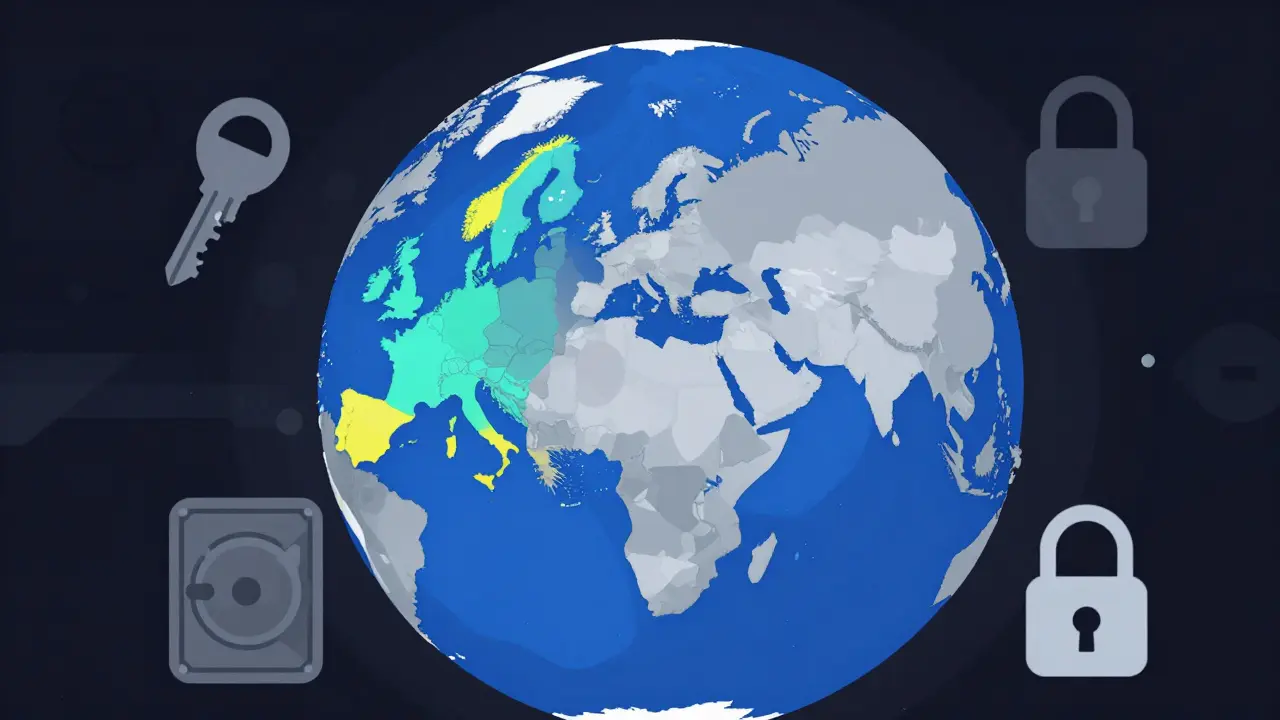
The platform serves a global user base but with strict geographic limitations. If you are located in the United States, Russia, Iran, North Korea, Cuba, Belarus, Central African Republic, or the Balkans, you cannot access the service. This restriction is crucial to note before you even attempt to sign up. For everyone else, particularly in Europe, B2Z positions itself as a compliant, modern alternative to older, legacy exchanges.
Core Features: Spot, Futures, and NFTs
B2Z Exchange isn't just a place to buy Bitcoin and hold it. It is a comprehensive suite of financial tools. Here is what you get when you log in:
- Spot Trading: Buy and sell cryptocurrencies instantly. The interface is clean, supporting major pairs like BTC/USDT and ETH/USDT, along with various altcoins.
- Derivatives Trading: This is B2Z's stronghold. You can trade perpetual contracts and futures with adjustable leverage. Unlike some platforms that lock you into fixed leverage tiers, B2Z allows granular control, which is essential for professional traders managing margin carefully.
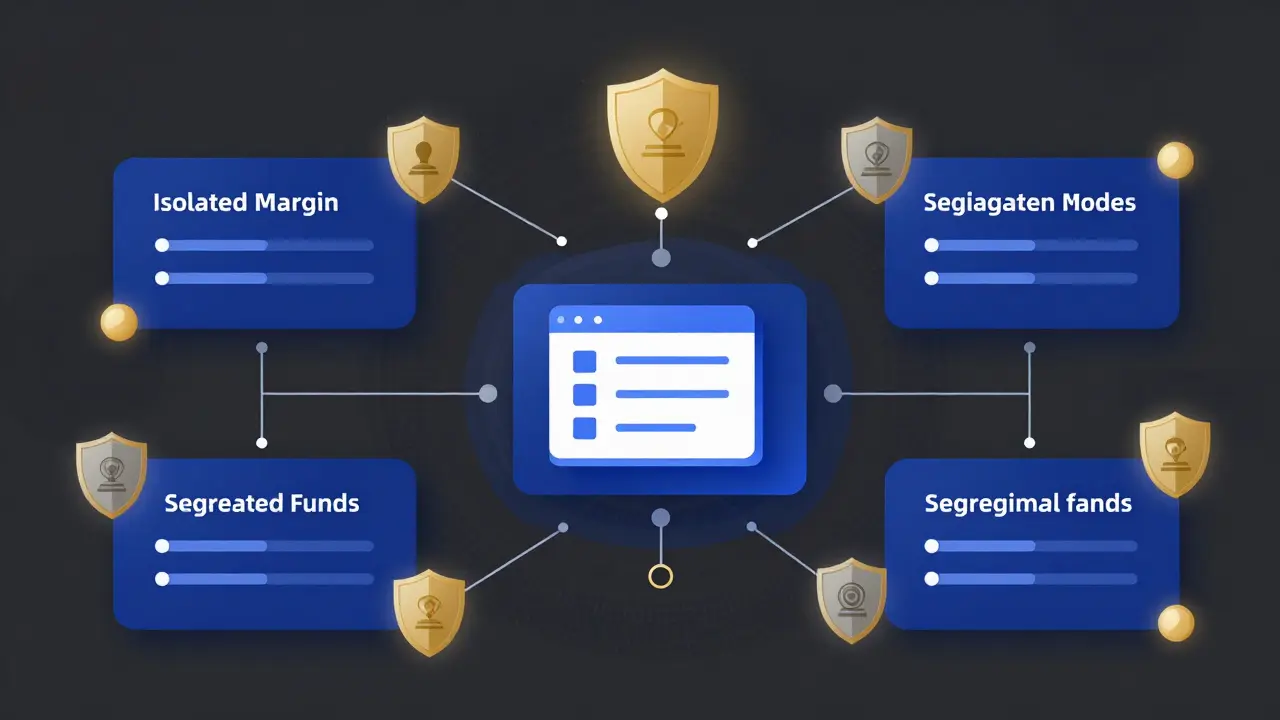
- Risk Management Tools: The platform supports both cross-margin and isolated margin modes. More importantly, it features sub-accounts functionality. This allows traders to separate different strategies or client funds within one master account, a feature usually reserved for institutional clients on larger platforms.
- NFT Marketplace: While crypto trading is the focus, B2Z also includes an NFT marketplace, allowing users to mint, buy, and sell non-fungible tokens directly from their exchange wallet.
- OTC Trading: For large block trades that would slip the price on the public order book, B2Z offers Over-The-Counter services.
One standout feature for security-conscious users is the integration with Trezor Suite. This compatibility means you can manage your hardware wallet assets securely while interacting with the exchange, bridging the gap between cold storage safety and hot wallet convenience.
Security and Fund Protection
In the crypto world, "security" is a buzzword until your exchange gets hacked. So, how does B2Z stack up? The platform employs a multi-layered security infrastructure. The majority of user assets are stored in cold storage wallets, meaning they are offline and inaccessible to online hackers. Only a small fraction of funds needed for daily withdrawals remains in hot wallets.
Beyond cold storage, B2Z maintains an insurance fund. This fund acts as a buffer to protect traders against auto-deleveraging (ADL) events and potential liquidation losses that exceed initial margins. It’s a critical component for futures traders, ensuring that a volatile market swing doesn’t wipe out other users’ collateral.
Interestingly, B2Z promotes a model that minimizes centralized custody risks. By enabling direct wallet-to-wallet transfers for certain operations, they reduce the time funds sit in pooled exchange accounts. However, it is important to remember that B2Z is still a custodial exchange. They hold your keys during active trading, so you must trust their internal security protocols. Two-factor authentication (2FA) and anti-phishing codes are standard requirements for account access.
Fees and Costs
Cost eats into profits, especially in high-frequency trading. While B2Z Exchange does not publish a highly detailed, real-time fee schedule in all public sources as prominently as Binance, its structure generally follows industry standards for maker/taker models.
For spot trading, fees are typically competitive, though exact percentages can vary based on your VIP level and trading volume. In derivatives trading, the fees are structured to reward liquidity providers (makers) with lower rates than takers. Compared to Crypto.com Exchange, which charges around 0.075% for makers and takers at entry levels, B2Z aims to offer similar or better rates for high-volume traders.
A significant advantage for many users is the lack of withdrawal limits for supported fiat currencies and cryptocurrencies. Many exchanges impose daily caps on how much you can pull out, which can be frustrating for institutional clients or large retail holders. B2Z’s policy here aligns with its goal of serving professional segments who need liquidity flexibility.
| Feature | B2Z Exchange | Bybit | Crypto.com | Kraken |
|---|---|---|---|---|
| Headquarters | Poland | Dubai / Global | Singapore | USA / Global |
| Primary Focus | Derivatives & Risk Mgmt | Derivatives & Retail | All-in-One App | Security & Fiat On-ramp |
| US Residents Allowed? | No | Limited/No | Yes | Yes |
| Withdrawal Limits | None (for supported assets) | Tiered | Tiered | Tiered |
| Hardware Wallet Integration | Trezor Suite | Third-party only | Crypto.com DeFi Wallet | Multiple |
| Regulatory Status (EU) | MiCA Compliant Path | Varying | Strong | Very Strong |
User Experience and Interface
You don’t need to be a coding wizard to use B2Z, but the interface leans towards professionalism. When you first log in, you’ll see a dashboard that prioritizes market data, order books, and charting tools. It is not cluttered with ads for staking products or games, which is a refreshing change from some competitors.
The learning curve is moderate. Beginners might find the futures trading section intimidating due to the number of settings available (leverage sliders, margin types, stop-loss orders). However, the platform provides clear documentation for core functions. If you are used to the simplified mobile apps of Coinbase, B2Z will feel denser. If you come from TradingView or advanced terminal software, you will feel right at home.
Mobile accessibility is key for modern traders. B2Z offers a responsive web interface and mobile applications that mirror the desktop functionality, allowing you to manage positions and execute trades on the go. The Trezor Suite integration adds another layer of usability for those who prefer managing assets through hardware interfaces rather than purely software-based wallets.
Regulatory Landscape and Availability
Regulation is the elephant in the room for any crypto exchange in 2026. With the European Union’s MiCA (Markets in Crypto-Assets) regulation fully implemented, exchanges operating in Europe face stricter compliance requirements. B2Z, being headquartered in Poland, is well-positioned to navigate this landscape. Analysts project that specialized regional exchanges with strong security protocols like B2Z could capture 8-12% of the European market by 2026 if they successfully maintain MiCA compliance.
However, this regulatory focus comes with a cost: exclusivity. B2Z explicitly blocks users from several regions, including the United States. This is a dealbreaker for American traders. The US market represents approximately 27% of global cryptocurrency trading volume, so by excluding it, B2Z limits its growth potential compared to global giants like Binance. But for European users, this exclusion often translates to better regulatory protection and fewer fears of sudden shutdowns due to SEC actions.
If you are outside the restricted zones, you will need to complete Know Your Customer (KYC) verification. This is standard industry practice now. You’ll need to provide identification documents to unlock full trading and withdrawal capabilities. The process is automated and typically quick, though delays can occur during peak registration periods.
Pros and Cons Summary
No exchange is perfect. Before you deposit funds, weigh these factors:
Pros:
- Advanced Risk Management: Sub-accounts and isolated futures wallets give you control rarely seen on retail platforms.
- No Withdrawal Limits: Great for large capital movements.
- European Compliance: Positioned to thrive under MiCA regulations.
- Security First: Cold storage and insurance funds protect against hacks and insolvency.
- Clean Interface: Professional design without unnecessary clutter.
Cons:
- Limited Geographic Access: Not available in the US, Russia, or several other regions.
- Lower Liquidity: Compared to Binance or Bybit, order book depth may be thinner, leading to slightly higher slippage on very large trades.
- Newer Brand: Less historical track record than established players like Kraken.
- Support Resources: Educational content and customer support channels are not as extensive as top-tier competitors.
Who Should Use B2Z Exchange?
B2Z Exchange is not for everyone. If you are a beginner looking to buy $50 worth of Ethereum to hold for ten years, simpler platforms like Coinbase or Crypto.com might be easier. If you are in the United States, you cannot use it.
However, if you are a trader based in Europe or other allowed regions who actively trades derivatives, manages multiple portfolios via sub-accounts, or requires unlimited withdrawal capabilities, B2Z is a compelling option. It bridges the gap between retail accessibility and institutional-grade tools. As the crypto market matures, platforms that prioritize security and regulatory compliance over aggressive marketing are likely to survive long-term. B2Z fits that profile.
Is B2Z Exchange safe for my funds?
B2Z Exchange employs robust security measures, including cold storage for the majority of assets, an insurance fund to cover potential losses, and two-factor authentication. While no exchange is 100% immune to risk, B2Z’s architecture and compliance with emerging EU regulations (MiCA) suggest a strong commitment to security. However, always use strong passwords and enable all available security features.
Can I use B2Z Exchange in the United States?
No. B2Z Exchange explicitly restricts access to users from the United States, as well as Russia, Iran, North Korea, Cuba, Belarus, Central African Republic, and the Balkans. Users from these regions must choose alternative exchanges that comply with local laws.
Does B2Z Exchange have withdrawal limits?
One of B2Z’s key selling points is that it imposes no withdrawal limits for supported fiat currencies and cryptocurrencies. This makes it attractive for high-net-worth individuals and institutional clients who need to move large amounts of capital freely.
How does B2Z compare to Bybit or Binance?
B2Z is smaller and more specialized than Bybit or Binance. While Binance and Bybit offer deeper liquidity and broader global access, B2Z focuses on advanced risk management tools like sub-accounts and isolated futures wallets, catering specifically to professional traders in Europe. B2Z lacks the massive user base and marketing budget of its competitors but offers a cleaner, more regulated experience for eligible users.
What types of trading does B2Z support?
B2Z supports spot trading, derivatives trading (including perpetual contracts and futures with adjustable leverage), NFT marketplace activities, and Over-The-Counter (OTC) trading for large block orders. It is particularly well-suited for users interested in leveraged trading with sophisticated risk controls.