
Most people searching for the BRKL airdrop are looking for one thing: free tokens. But before you spend time or capital trying to qualify, you need to know what Brokoli Network actually is and where the token stands today. The short answer? There is only one major documented airdrop program, hosted by MEXC Exchange, and the token’s current market performance tells a story that doesn’t quite match the hype.
Brokoli Network positions itself as a regenerative finance (ReFi) ecosystem on Ethereum. It launched its Token Generation Event (TGE) on October 5, 2021. Since then, it has expanded into play-to-earn gaming and NFT metaverses. However, if you are evaluating this opportunity in August 2026, the gap between its launch narrative and its current trading reality is significant. Let’s break down the facts so you can make an informed decision without falling for outdated information.
What Is Brokoli Network?
Brokoli Network is a decentralized finance platform built on the Ethereum blockchain that focuses on regenerative finance, yield farming, and community-driven governance. Also known as BRKL Protocol, it aims to use finance as a tool for social and environmental impact.
The project operates under a Decentralized Autonomous Organization (DAO) structure. This means token holders vote on key decisions regarding the platform's development. Beyond standard DeFi services like liquidity provision and swaps, Brokoli Network integrated gaming elements. Users can earn income through NFT-based games while participating in social impact initiatives. This dual focus on DeFi and Gaming was a key part of its value proposition during its early days.
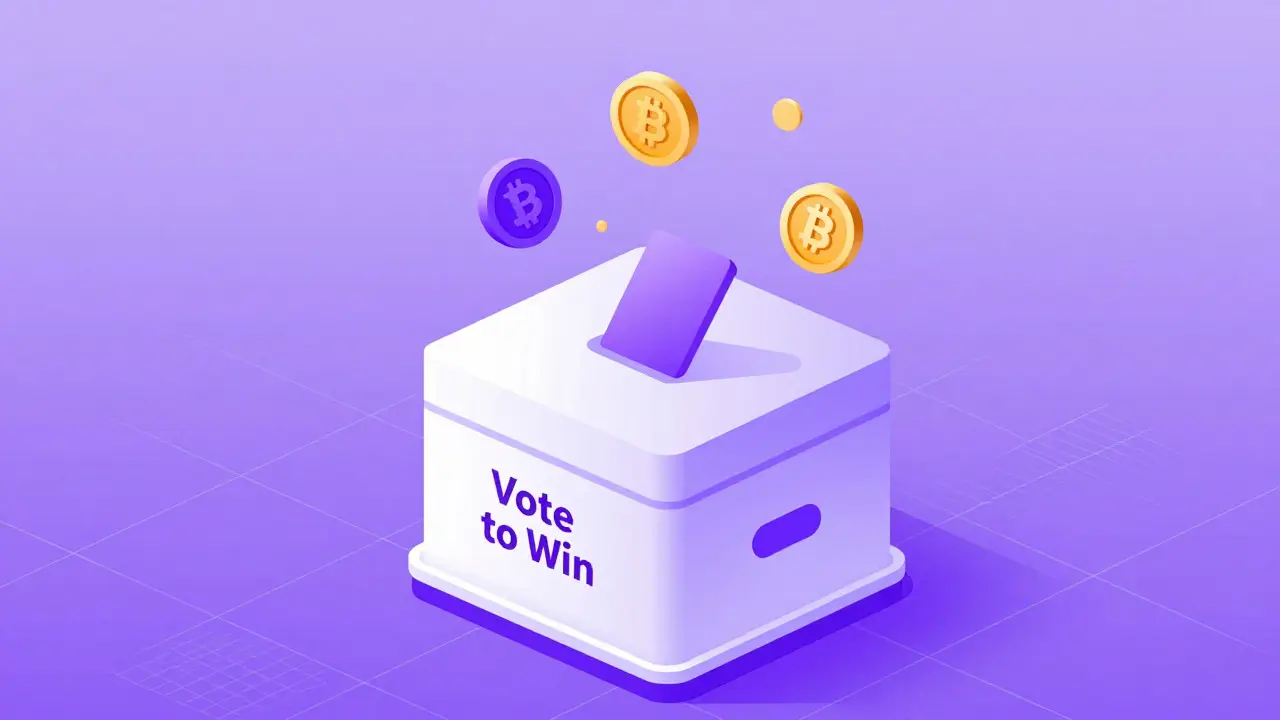
The Only Documented Airdrop: MEXC Vote to Win
If you are looking for a specific airdrop event, the most substantial one on record is the initiative hosted by MEXC Exchange, a centralized cryptocurrency exchange known for listing new tokens. This program used a "Vote to Win" mechanism rather than a simple claim link.
Here are the specific details of that campaign:
- Reward Pool: 112,500 BRKL tokens.
- Voting Currency: MX tokens (MEXC’s native token).
- Maximum Cap: Participants could vote with up to 500,000 MX tokens.
- Reference Price: The airdrop listed a reference price of $0.65 per BRKL token.
- Cost to Enter: 0 USDT (you paid with votes, not cash).
This type of airdrop rewards users who already hold MX tokens. It serves as a marketing tool for MEXC to drive engagement with their native asset. For participants, it offered a way to acquire BRKL at zero direct cost, provided they were willing to lock or stake MX tokens for the voting period.
Tokenomics and Distribution Structure
Understanding how the tokens are released helps explain why the price might behave differently from other cryptocurrencies. Brokoli Network followed a structured release schedule established during its TGE in October 2021.
| Allocation Category | Initial Release (TGE) | Cliff Period | Ongoing Releases |
|---|---|---|---|
| Total Supply Allocation | 20% at TGE | 3 months | 5.33% monthly over 15 months |
| Ecosystem Incentives | Fully Unlocked | N/A | 31.59 million BRKL (100%) |
| Circulating Supply (Recent Data) | 126 million BRKL (~100.80% of intended supply) | ||
Notice the high percentage of unlocked supply. When nearly all tokens are in circulation, there is less future inflation pressure from team unlocks. However, this also means that if demand drops, the price can fall sharply because there are no large locked pools acting as a buffer. The ecosystem incentives pool being fully unlocked suggests that farming rewards have been distributed completely, which may reduce the ongoing yield attraction for new farmers.
Current Market Reality vs. Airdrop Hype
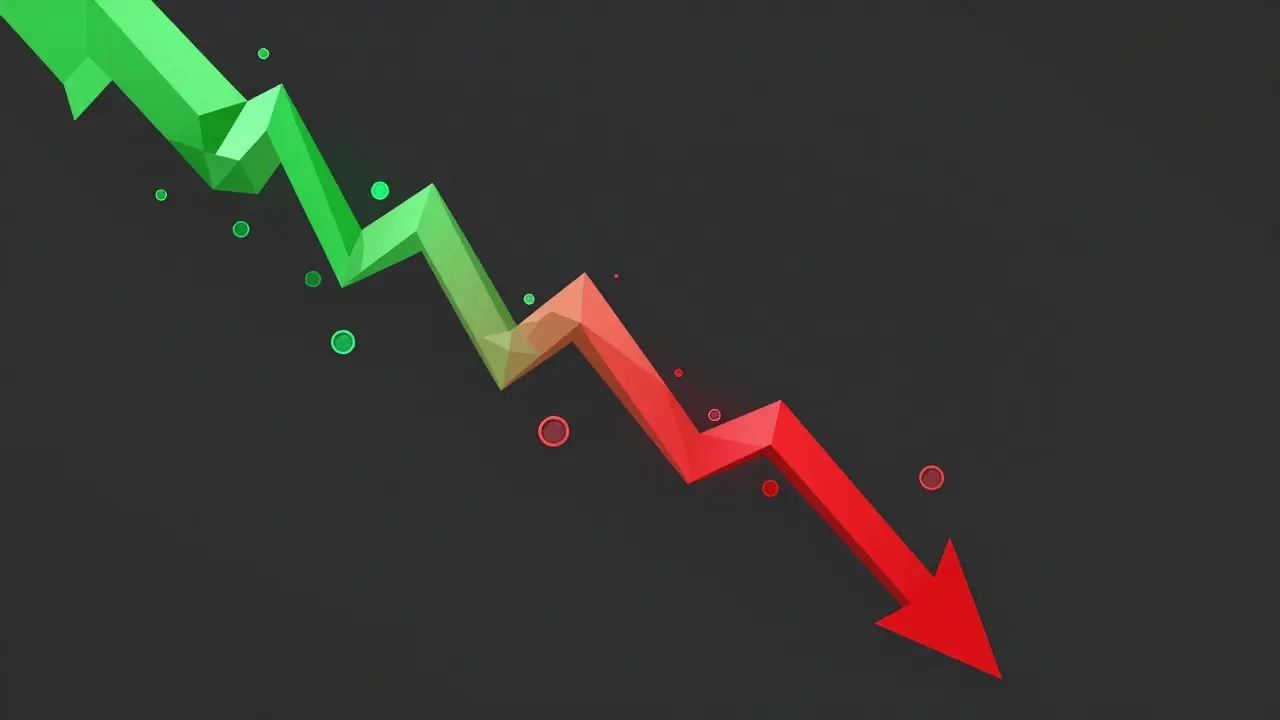
This is the most critical section for any investor. The data shows a massive divergence between the airdrop reference price and the current market price.
- Airdrop Reference Price: $0.65 USD
- Current Trading Price (Aug 2026): ~$0.0038 USD
- Decline: Over 99%
A drop of this magnitude indicates several possibilities. First, the initial hype around the ReFi and Gaming narrative faded after the 2021 bull run. Second, the project may have struggled to maintain active user engagement compared to larger competitors. Third, low liquidity is evident in the 24-hour trading volume, which sits around $13,000 USD. Low volume means that even small sell orders can move the price significantly, making it harder to exit large positions.
The token is ranked #2864 on CoinMarketCap. While this isn't the bottom, it places BRKL in the mid-to-lower tier of cryptocurrencies. For context, top DeFi protocols usually rank in the top 100. This ranking suggests that while the project is still alive, it is not a dominant player in the space.
How to Verify Future Airdrops Safely
Since the MEXC airdrop was the primary documented event, you might wonder if there are others. Because Brokoli Network operates as a DAO, future distributions would likely be announced through official channels. Here is how you should verify any new claims:
- Check Official Socials: Look for announcements on the project's verified Twitter (X) account or Discord. Avoid random Telegram groups promising "free BRKL" without verification.
- Review DAO Proposals: If a new airdrop is planned, it should appear in the DAO voting interface. Community-driven projects rarely distribute millions of tokens without a formal vote.
- Verify Contract Addresses: Always check the BRKL contract address on Etherscan before connecting your wallet. Scams often create fake tokens with similar names.
- Watch for Vesting Schedules: If a new airdrop is announced, check if the tokens are vested. Many modern airdrops lock tokens for 6-12 months to prevent immediate dumping.
Be skeptical of third-party sites claiming to host exclusive airdrops. Unless it is a major exchange like MEXC, Binance, or Coinbase, the risk of a phishing scam increases.
Is BRKL Worth Your Attention in 2026?
Deciding whether to participate in any remaining opportunities depends on your risk tolerance. The project has a clear utility in Regenerative Finance and Gaming, but the market performance suggests limited retail interest currently.
If you already hold BRKL from the MEXC airdrop, you have zero cost basis. You can hold for potential long-term recovery or sell to avoid further volatility. If you are looking to buy in, remember that low liquidity cuts both ways. It takes less money to crash the price, but it also takes less buying pressure to spike it. This makes BRKL a high-volatility, speculative asset rather than a stable store of value.
The shift toward sustainable DeFi operations and gaming integration shows the team is trying to pivot away from pure speculation. However, until trading volume and community activity increase significantly, the token remains a niche play within the broader Ethereum ecosystem.
Frequently Asked Questions
Is the Brokoli Network airdrop still active in 2026?
Based on available data, the major MEXC "Vote to Win" airdrop appears to be a past event. There are no widely publicized active airdrop campaigns for BRKL as of August 2026. Any new distribution would likely be announced via the official Brokoli Network DAO channels or partner exchanges.
What is the current price of BRKL token?
As of late August 2026, BRKL trades at approximately $0.0038 USD. This represents a significant decline from its earlier reference prices, reflecting changes in market sentiment and lower trading volumes.
How did the MEXC airdrop work?
The MEXC airdrop used a voting mechanism. Users voted using MX tokens to win a share of the 112,500 BRKL reward pool. There was no direct cash cost, but participants needed to hold MX tokens to participate in the voting process.
Where can I buy or sell BRKL?
BRKL is primarily traded on decentralized exchanges (DEXs) on the Ethereum network and select centralized exchanges like MEXC. Due to low liquidity, you should check order book depth before executing large trades to avoid slippage.
What is Regenerative Finance (ReFi)?
ReFi is a subset of DeFi that focuses on using financial tools to solve environmental and social problems. Brokoli Network aligns with this by integrating sustainability metrics into its governance and reward systems, aiming for positive externalities beyond profit.