
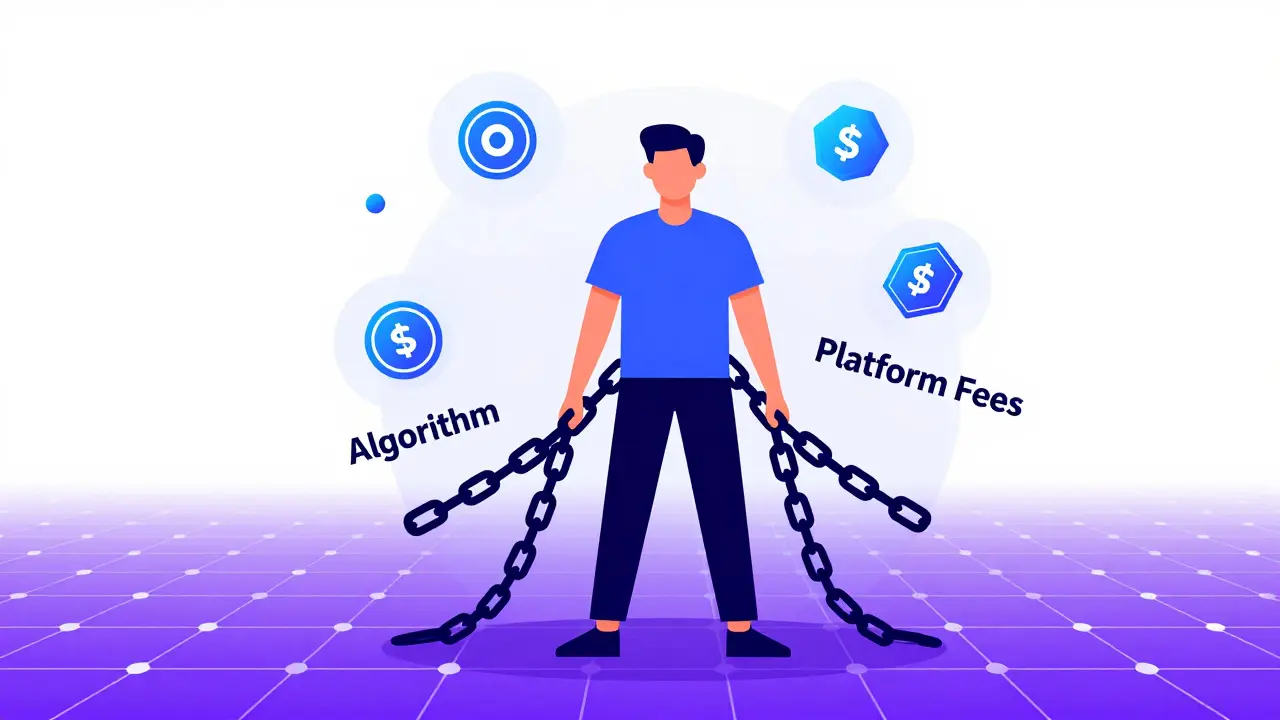
Imagine spending years building an audience, only to have a platform algorithm change wipe out your income overnight. For creators, this is the daily reality of the traditional internet. You build the community, but the platform owns the relationship. Enter Creator Token Models, which are economic frameworks that allow content creators to issue their own digital assets on blockchains to monetize work, reward fans, and bypass traditional intermediaries. This isn't just about selling JPEGs or getting tips. It’s a structural shift in how value flows between artists and audiences.
In 2026, the creator economy has matured past the hype cycle of 2021. We’ve moved from chaotic speculation to sustainable utility. Creator tokens are no longer just promises of future fame; they are functional tools for access, governance, and revenue sharing. If you’re a creator looking for independence or a fan wanting deeper connection, understanding these models is essential.
What Are Creator Tokens?
At its core, a creator token is a digital asset issued by an individual or brand. Unlike Bitcoin, which is decentralized and anonymous, a creator token is tied directly to the person issuing it. Think of it as a share in the creator’s ecosystem, though legally, it rarely represents equity. Instead, it represents value through utility, status, or access.
These tokens live on blockchains like Ethereum, Solana, or Polygon. The choice of blockchain matters because it dictates transaction costs (gas fees) and speed. A high-fee network might kill a $5 tip model, while a low-fee chain makes micro-transactions viable. The token itself can take several forms:
- Fungible Tokens: Interchangeable units, like USDT or ETH. Used for tipping, buying merch, or accessing paid content.
- NFTs (Non-Fungible Tokens):** Unique digital items. Often used for membership passes, exclusive art, or one-of-a-kind collectibles.
- Soulbound Tokens:** Non-transferable NFTs. These act as verifiable credentials, like a "Top Fan" badge that stays with your wallet forever.
The key difference from traditional crowdfunding is ownership and portability. When you subscribe to Patreon, you’re renting access. If Patreon shuts down, your history and perks vanish. With a creator token, the asset lives in your wallet. You own it. You can trade it. You can use it across different platforms that support that specific token standard.
The Evolution: From SocialFi Hype to Utility
The first wave of creator tokens arrived around 2021, driven by platforms like SuperRare and Rarible. Early adopters treated them like stocks, buying tokens hoping the creator would become famous. This led to massive volatility. Many projects collapsed when the hype faded, leaving holders with worthless digits.
By 2024, the market corrected. Survivors focused on utility over speculation. Platforms like Audius for musicians and Mirror.xyz for writers introduced models where tokens granted tangible benefits. Fast forward to 2026, and we see a hybrid approach. Successful models now combine financial incentives with genuine community engagement.
This evolution mirrors the broader crypto journey: from wild west gambling to regulated, useful infrastructure. Today’s creator tokens are less about "mooning" and more about building sustainable ecosystems. Creators who survive are those who treat their token as a product feature, not a cash grab.
Common Creator Token Models
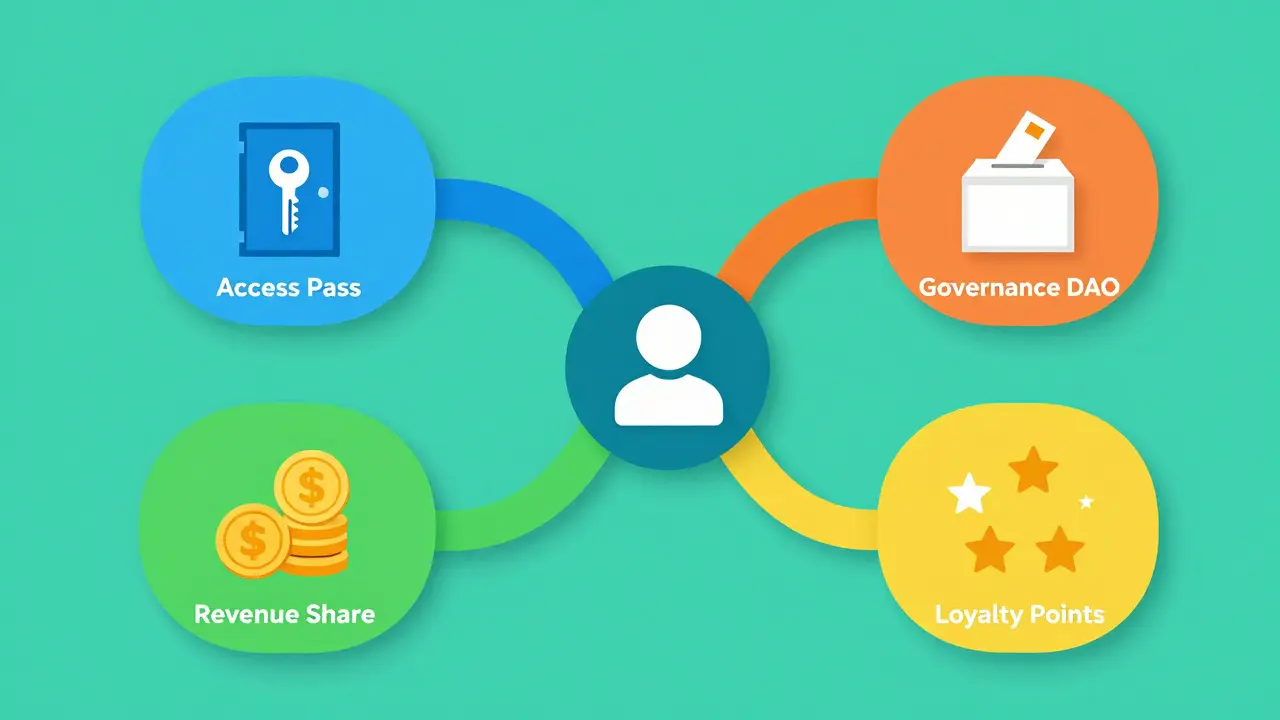
Not all creator tokens work the same way. The structure depends on what the creator wants to achieve. Here are the four dominant models in play today:
| Model Type | Primary Goal | Token Function | Best For |
|---|---|---|---|
| Access Pass | Recurring Revenue | Holding grants entry to Discord, newsletters, or live streams. | Podcasters, Educators, Coaches |
| Governance DAO | Community Input | Tokens allow voting on creative decisions (e.g., next album track). | Musicians, Game Developers |
| Revenue Share | Shared Success | Holders receive a % of royalties or ad revenue automatically. | Authors, Filmmakers, Musicians |
| Loyalty/Points | Engagement | Earned through interaction, redeemable for merch or discounts. | Brands, Influencers |
The Access Pass model is the most common. It replaces subscription fees. Instead of paying monthly via credit card, fans buy a token. As long as they hold it, they stay in the VIP group. This reduces churn because holding a token feels like an investment, whereas canceling a subscription feels like quitting.
The Governance DAO model empowers fans. Imagine a musician letting token holders vote on the cover art for their next single. This deepens emotional investment. Fans aren’t just consumers; they’re co-creators. However, this requires careful legal structuring to avoid securities laws issues.
Revenue Share models are complex but powerful. Using smart contracts, a creator can automatically send 1% of every sale to token holders. This aligns incentives perfectly. If the creator succeeds, the community profits. But it requires transparent accounting and trust in the code.
Technical Infrastructure: How It Works
You don’t need to be a coder to launch a creator token, but understanding the stack helps. Most creators use existing platforms rather than building custom blockchains. The typical flow involves three layers:
- The Blockchain Layer: The underlying ledger (e.g., Ethereum L2, Solana). This ensures immutability and security.
- The Smart Contract Layer: Code that defines token rules. Who can mint? Can tokens be burned? Is there a cap? Tools like OpenZeppelin provide secure templates.
- The Interface Layer: The website or app where users interact. Platforms like Thirdweb or Moralis simplify this, allowing creators to launch tokens with a few clicks.
Wallet integration is critical. In 2026, frictionless onboarding is the norm. Users don’t need to manage seed phrases manually. Solutions like Magic.link or Privy allow login via email or social media, creating a custodial wallet behind the scenes. This lowers the barrier to entry for non-crypto natives.
Gas fees remain a concern. On mainnet Ethereum, minting a token can cost more than the token’s value. That’s why most creators opt for Layer 2 solutions like Arbitrum or Optimism, or alternative chains like Base. These offer near-zero fees and fast transactions, making micro-tipping feasible.
Risks and Challenges
It’s not all smooth sailing. Creator token models face significant hurdles. First, volatility. Even if a token has utility, its price can fluctuate wildly based on market sentiment. A fan might lose half their "investment" if the creator posts controversial content. This psychological risk deters casual users.
Second, regulatory uncertainty. Governments worldwide are still figuring out how to classify creator tokens. If a token promises profit (like revenue shares), it may be deemed a security. This could lead to lawsuits or forced shutdowns. Creators must consult legal experts before launching anything resembling an investment contract.
Third, platform dependency. While tokens reduce reliance on algorithms, creators still depend on wallets, exchanges, and bridges. If a bridge gets hacked, funds can be lost. If a wallet provider goes bankrupt, access is cut off. Diversification and self-custody education are vital.
Finally, community management. Tokens attract speculators, not just fans. Managing a community that cares about price action versus creative output is exhausting. Creators must set clear expectations: this is for fun and access, not financial advice.

Real-World Examples
Let’s look at how this plays out in practice. Take Grimes, the musician and artist. She launched her own NFT collection on Nifty Gateway, offering exclusive audio and video content. While early sales were huge, the long-term value depended on her continued output and fan loyalty. Her model blended access (exclusive tracks) with collectibility (limited editions).
Another example is Beeple, whose digital art sales brought mainstream attention to creator tokens. His works function as high-value collectibles, but also as status symbols within the Web3 art community. Owning a Beeple piece signals taste and wealth, creating a secondary market driven by prestige.
On the utility side, Axie Infinity pioneered the "play-to-earn" model, though it faced economic collapse due to poor tokenomics. More recent successes include gaming studios using tokens for in-game assets that players truly own. This shifts power from corporations to users, a core promise of Web3.
For everyday creators, smaller-scale models are emerging. A local chef might issue tokens that grant holders priority booking at their restaurant. A fitness trainer might sell tokens that unlock personalized workout plans. These niche applications show the versatility of the technology beyond celebrity circles.
Future Outlook: Where Is This Going?
By 2027, we expect creator tokens to integrate seamlessly with AI. Imagine an AI assistant that manages your token portfolio, auto-redeeming rewards or trading low-performing assets. Or AI-generated content that is uniquely accessible only to token holders, creating dynamic, personalized experiences.
We’ll also see greater interoperability. Tokens issued on one platform should work on another. Your "VIP Fan" badge from a musician’s site should grant you discounts at a related merchandise store. This cross-platform utility will drive adoption.
Regulation will likely clarify, bringing institutional players into the space. Banks and payment processors may offer tokenized savings accounts or investment products tied to creator success. This legitimizes the sector but may increase compliance costs for small creators.
Ultimately, creator token models represent a return to patronage, updated for the digital age. They restore agency to artists and deepen connections for fans. But success requires patience, transparency, and a focus on real value over quick profits.
Are creator tokens legal?
It depends on the structure. Pure utility tokens (for access or voting) are generally safer. Tokens promising financial returns may be classified as securities, requiring registration with bodies like the SEC. Always consult a lawyer.
Do I need crypto knowledge to use creator tokens?
Basic knowledge helps, but new tools make it easier. Many platforms allow email login and handle wallet creation in the background. You still need to understand private keys and security basics to protect your assets.
How do creators make money from tokens?
Creators earn from initial sales, transaction fees on secondary markets, and ongoing utility (like premium content access). Some models include revenue sharing, where holders get a cut of profits.
What happens if the creator stops posting?
The token’s utility drops, likely reducing its value. Unlike stocks, there’s no guarantee of dividends. Buyers assume the risk that the creator may fade away. This is why reputation and consistency matter.
Can I sell my creator tokens?
Yes, if they are fungible or tradable NFTs. You can list them on marketplaces like OpenSea or specialized fan token exchanges. Soulbound tokens, however, cannot be transferred or sold.