
Imagine playing your favorite games and getting paid in crypto for it. Not just once, but every month. That is exactly what the DAR Open Network is trying to do with its new Web3 Quest System. If you have been hearing whispers about the DAR airdrop but aren't sure how to actually get your hands on some $D tokens, this guide breaks it down without the usual blockchain jargon.
The core idea here is simple: play games, complete tasks, earn points, and claim rewards. The DAR Open Network launched this system on September 1, 2025, aiming to bridge the gap between casual gamers and the complex world of Web3. Instead of needing deep technical knowledge or expensive hardware, you just need to show up and play. The inaugural season kicked off with a massive reward pool of 100,000 $D tokens, distributed based on how well you performed in various quests across their ecosystem.
What Is the DAR Open Network?
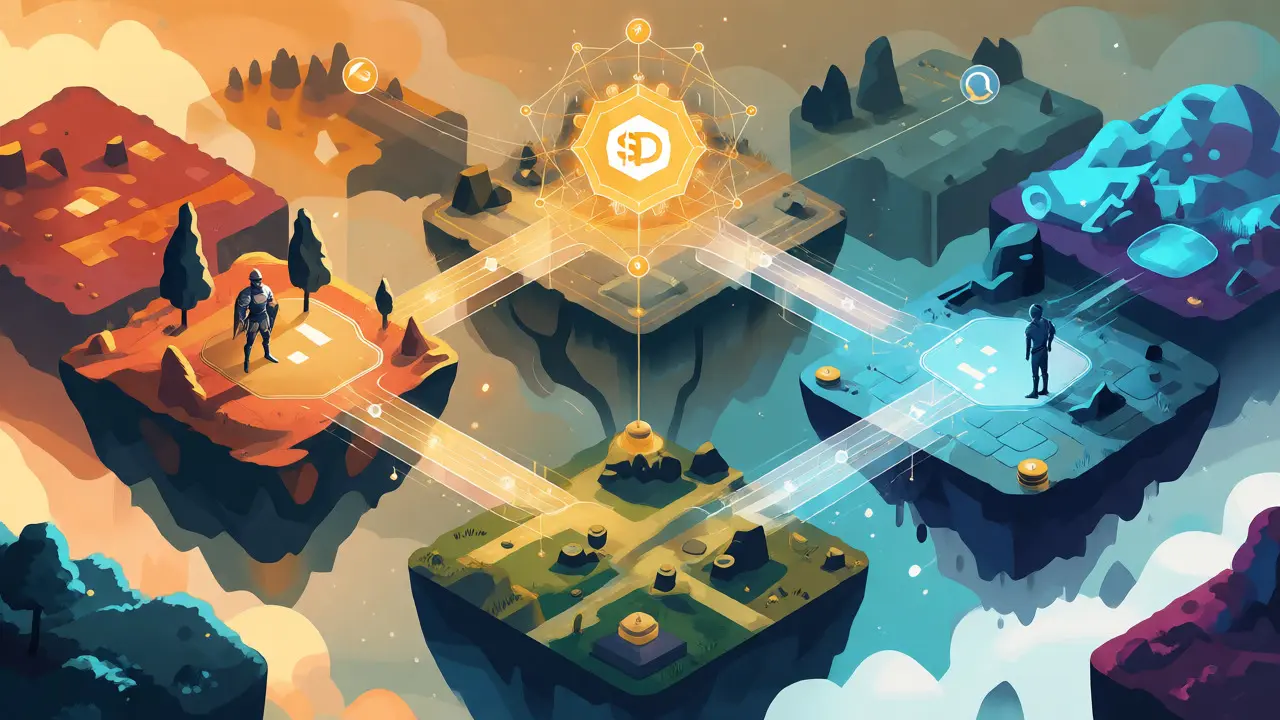
Before we dive into the quests, let's clear up what the platform actually is. DAR Open Network is an AI-powered, chain-agnostic infrastructure provider. In plain English, that means it builds the underlying tech that allows different web3 games to talk to each other and share assets. It uses the $D token as its central utility asset, which powers everything from governance votes to in-game purchases.
Think of it like a shared highway for games. Normally, if you buy a sword in one game, you can't use it in another. DAR aims to fix that by letting developers build on top of a common foundation. This makes it easier for players to move around the ecosystem without getting stuck in one title. The network supports multiple blockchains, so you aren't locked into Ethereum or Solana exclusively. This flexibility is key to why they are pushing hard on the "Play-2-Airdrop" model-they want to attract people who care about fun first, and crypto second.
How the Play-2-Airdrop System Works
The heart of the DAR Quest System is a structured framework where players earn Quest Points by completing daily, weekly, and seasonal challenges. These points are your ticket to the monthly airdrops. You don't need to be a pro gamer; the system is designed to reward consistency and exploration.
- Daily Quests: Small tasks that take minutes to finish. Great for keeping your streak alive.
- Weekly Challenges: Slightly harder objectives that require more time or skill.
- Seasonal Events: Large-scale competitions that span four weeks, offering the biggest prizes.
The first season ran for four weeks starting September 1, 2025. During this period, active players competed for a slice of the 100,000 $D token pool. The distribution wasn't random; it was performance-based. If you ranked higher in the leaderboards, you got more tokens. This encourages serious engagement rather than just farming clicks. Besides $D tokens, you also earn Moon Coins, which serve as in-game currency within specific titles, adding another layer of value to your efforts.
Key Games and Ecosystem Integration
You might be wondering, "Which games can I actually play?" The DAR ecosystem includes several titles, with Dalarnia Legends being a major highlight. This game introduced the "Legends Circuit," a tournament structure that starts with small daily matches and scales up to a grand final featuring 64 top players. It’s a ladder system that lets beginners start small while giving veterans a stage to shine.
The cross-game compatibility is the real selling point here. Because the infrastructure is chain-agnostic, your progress and assets can theoretically move between supported titles. This reduces the friction usually associated with switching games in Web3. For example, skills or achievements earned in one game might unlock bonuses in another, creating a cohesive experience. The AI-powered backend helps optimize these connections, ensuring that the transition between games feels smooth rather than clunky.
| Reward Type | Purpose | How to Earn |
|---|---|---|
| $D Tokens | Main cryptocurrency asset | High ranking in Seasonal Leaderboards |
| Moon Coins | In-game spending currency | Completing Daily and Weekly Quests |
| Exclusive Items | Cosmetics or gear | Participating in Special Events |
| Quest Points | Leaderboard ranking metric | All completed activities |
Token Utility and Market Context
Earning tokens is great, but what can you do with them? The $D token has multiple utilities beyond just trading. You can stake it to earn yield, use it for governance votes to decide future updates, or spend it directly in marketplaces for digital assets. As of early October 2025, the token was trading around $0.031 with a circulating supply of 640 million. While the price fluctuates, the demand is driven by actual usage in games and staking products offered through partners like Bitget.
Volatility is part of the game. The token saw a 2.30% increase over 24 hours during the launch period, but it also experienced minor dips over the week. This is typical for new ecosystems finding their footing. The key takeaway is that the value isn't just speculative; it's tied to the activity level of the player base. More players mean more transactions, which drives demand for the token. If you plan to hold, consider the long-term vision of a unified gaming network. If you prefer liquidity, you can swap your rewards immediately using integrated exchange features.
Getting Started: A Step-by-Step Checklist
Ready to join the next season? Here is a quick checklist to ensure you don't miss out on any easy rewards.
- Create a Wallet: Ensure you have a compatible Web3 wallet set up. Most DAR games support standard wallets like MetaMask or specialized mobile options.
- Connect to the Platform: Visit the official DAR portal and link your wallet. This verifies your identity for quest tracking.
- Pick a Game: Start with Dalarnia Legends or another beginner-friendly title. Don't try to master everything at once.
- Complete Onboarding Tasks: These are usually free points. Read the tutorials, watch the intro videos, and make your first transaction.
- Track Your Streak: Log in daily. Consistency often matters more than raw skill in the early stages.
- Check Leaderboards: See where you stand. Adjust your strategy if you're falling behind on weekly goals.
Remember, the goal is to keep it fun. If you burn out chasing points, you'll quit before the airdrop hits. Treat the crypto rewards as a bonus, not your salary. The community aspect is strong, too-joining Discord servers or Telegram groups can give you tips on hidden quests or upcoming events.
Frequently Asked Questions
Is the DAR airdrop free to participate in?
Yes, most basic quests are free. You might need a tiny amount of gas fees depending on the blockchain used, but the core "Play-2-Airdrop" model is designed to be accessible without large upfront investments. Some premium tournaments may require entry fees paid in $D tokens.
How often are airdrops distributed?
The system operates on a monthly cycle. Each season lasts four weeks, and rewards are calculated and distributed shortly after the season ends. This regular schedule helps players plan their gaming sessions around reward periods.
Do I need to own NFTs to play?
No, you do not. While owning NFTs can provide advantages or exclusive access, the basic gameplay loop is open to everyone. Free-to-play options allow you to compete for standard rewards without buying digital assets upfront.
Can I transfer my Moon Coins to other games?
Currently, Moon Coins are primarily used within specific game economies. However, the DAR Open Network roadmap includes broader interoperability features. Check the latest update notes in-game for current transfer rules, as these can change with new patches.
What happens if I miss a day?
You won't lose all your progress, but you might miss out on streak bonuses. Daily quests reset every 24 hours, so catching up is possible, though you may accumulate fewer total points compared to consistent players. Focus on weekly goals if you have irregular schedules.
Final Thoughts on the Future of DAR
The DAR Open Network is betting big on the idea that gaming should be rewarding. By simplifying the entry barrier and providing clear incentives, they are attracting a demographic that traditional crypto projects often ignore: casual players. The success of the initial seasons will likely dictate the size of future pools. If user numbers grow, expect bigger rewards and more complex mechanics.
For now, keep an eye on the official channels for announcements about Season 2. The ecosystem is expanding, with new games joining the network regularly. Whether you are in it for the potential financial upside or just want a new hobby, the low-risk nature of the quest system makes it worth a try. Just remember: stay safe, manage your private keys, and enjoy the game first.