

Imagine launching a digital wallet or a lending platform in one of Latin America's largest economies, only to hit a wall where your core product-cryptocurrency-is effectively banned for financial institutions. That is the reality for many innovators looking at Mexico, a country that pioneered fintech regulation in the region but maintains strict prohibitions on virtual assets for licensed entities. The landscape here is not just complex; it is contradictory. On one hand, you have a robust legal framework designed to protect consumers and encourage innovation. On the other, you have a regulatory environment that explicitly blocks banks and major fintechs from touching Bitcoin or Ethereum.
If you are planning to operate in this market in 2026, understanding these restrictions is not optional-it is survival. The rules have evolved significantly since the landmark legislation was passed years ago, and the gap between what the law allows and what the market wants is widening. Let’s break down exactly how the current system works, who is watching you, and where the real opportunities lie despite the hurdles.
The Foundation: Understanding the 2018 Fintech Law
To understand where we stand today, we need to look back at the foundation. In 2018, Mexico passed the Law to Regulate Financial Technology Institutions, commonly known as Ley Fintech. This was a game-changer because it created the first specific legal framework for fintech companies in Latin America. Before this, companies operated in a gray area, unsure if they were banks, tech firms, or something else entirely.
This law established three main categories for regulated entities:
- Crowdfunding Institutions: Platforms that connect investors with entrepreneurs seeking capital.
- Electronic Payment Funds Institutions (IFPEs): Entities that manage payment services, essentially acting like digital wallets or money transfer operators.
- Regulatory Sandbox Participants: Startups testing new business models under supervision before full launch.
The oversight for these entities falls primarily to two powerful bodies: the National Banking and Securities Commission (CNBV) and the Bank of Mexico (Banxico). As of 2024, over 1,000 fintech companies were operating under this umbrella, making Mexico the second-largest fintech market in Latin America. But here is the catch: while the law encourages innovation, it also sets rigid boundaries on what those innovations can be.
The Cryptocurrency Paradox: Legal for You, Illegal for Them
Here is the part that confuses most outsiders. Is cryptocurrency illegal in Mexico? Not exactly. If you are an individual buying Bitcoin on a peer-to-peer exchange, you are generally fine. However, if you are a financial institution or a licensed fintech company, the story changes dramatically.
In 2022, Banxico issued a circular prohibiting Mexican financial institutions from dealing in virtual assets. This means that traditional banks and many licensed fintechs cannot offer crypto trading, custody, or payments directly to their customers. They are barred from integrating blockchain technology into their core banking services. This creates a fragmented market where users must switch between their bank apps and separate, often less regulated, crypto platforms.
Why did they do this? Regulators cite stability and consumer protection. They fear volatility, fraud, and the potential for cryptocurrencies to undermine the peso. Jesús de la Fuente, President of CNBV, has stated that as fintech adoption grows, so does the need for a strong regulatory framework to maintain trust. For them, banning crypto from formal finance is a way to control risk. For innovators, it feels like a ceiling on growth.
| Entity Type | Can Hold Crypto? | Can Offer Crypto Services? | Primary Regulator |
|---|---|---|---|
| Individual Users | Yes | N/A | SAT (Tax Authority) |
| Licensed Banks | No | No | Banxico / CNBV |
| Fintech IFPEs | Restricted | Limited (No direct trading) | CNBV |
| Unregistered Exchanges | Yes | Yes (High Risk) | FIU (Financial Intelligence Unit) |
Compliance Costs: The Hidden Barrier to Entry
Even if you aren't touching crypto, getting licensed in Mexico is expensive and time-consuming. The Ley Fintech requires extensive technological and security measures. You aren't just filling out forms; you are building an entire compliance infrastructure from day one.
Key requirements include:
- Dedicated Officers: You must appoint both a Compliance Officer and a Chief Information Security Officer (CISO). These are specialized roles that require significant salaries, creating high overhead for startups.
- Data Localization and Backups: If you use cloud services hosted outside Mexico, you need robust backup plans and must meet inter-bank payment system standards. This limits your ability to use cheaper international SaaS vendors without additional layers of complexity.
- Know Your Customer (KYC) Protocols: Businesses handling any form of financial transaction must implement rigorous identity verification. This includes checking official documents, assessing the nature of the business relationship, and identifying ultimate beneficial owners.
- Enhanced Due Diligence: For higher-risk clients, such as Politically Exposed Persons (PEPs), you need extra checks. This slows down onboarding but reduces fraud risk.
Record-keeping is another heavy lift. You must securely store all customer identification and transaction records for at least five years. This isn't just about saving emails; it’s about maintaining a reconstructible audit trail for authorities. For small startups, these costs can be prohibitive, favoring larger players like Nu or Mercado Pago who can absorb the expenses.

The Push for "Fintech Law 2.0"
By 2025 and into 2026, the limitations of the original 2018 law became glaringly obvious. The market has matured, but the rules haven't kept pace. Industry leaders are now pushing for what they call "Fintech Law 2.0." This proposed update aims to address cross-border operations, open finance systems, and more flexible approaches to emerging business models.
Romina Benvenuti, General Counsel at Nu Mexico, emphasizes that regulation needs to evolve with the sector. Other countries in the region have implemented faster-moving open finance frameworks, allowing them to offer more competitive products. Ramiro Nández, Commercial Director at Mercado Pago, notes that while Mexico was a pioneer, others have moved quicker on open finance, fostering greater financial inclusion.
The current debate focuses on several key areas:
- Cross-Border Payments: Simplifying foreign exchange operations for international transfers.
- Open Finance: Allowing secure data sharing between banks and third-party providers to create better user experiences.
- Capital Market Access: Recent amendments to the Securities Market Law aim to streamline public offerings, potentially unlocking new financing avenues for fintechs.
However, progress is slow. Regulators remain cautious, balancing innovation against systemic risk. Until 2.0 is fully enacted, companies must navigate the existing patchwork of rules, which can feel disjointed and overly bureaucratic.
Anti-Money Laundering (AML) and the FIU Watchdog
One area where Mexico is uncompromising is anti-money laundering. The Financial Intelligence Unit (FIU) keeps a close eye on all financial transactions. Whether you are a bank, a fintech, or even a non-financial business handling large cash volumes, you are subject to strict AML regulations.
You must report suspicious, unusual, or relevant activities to the FIU. There are specific thresholds for cross-border transactions and strict limits on cash usage. Failure to comply doesn't just mean fines; it can mean losing your license or facing criminal charges. This is particularly relevant for crypto-related businesses, even unregistered ones, as the FIU actively monitors virtual asset service providers for illicit flows.
For legitimate businesses, this means investing in automated monitoring tools. Manual tracking is impossible at scale. You need software that flags anomalies in real-time, ensuring you stay ahead of regulatory scrutiny. This adds another layer of technical debt but is essential for long-term viability.
Opportunities Amidst the Restrictions
So, is Mexico a dead end for fintech? Far from it. While crypto is restricted, other areas are booming. The country still struggles with financial inclusion. Millions of adults lack bank accounts, and Small and Medium Enterprises (SMEs) face chronic credit shortages. Fintechs are uniquely positioned to solve these problems using traditional digital finance methods.
Lending fintechs are expanding rapidly, offering microloans and working capital to SMEs that banks ignore. Warehouse financing has provided these lenders with the funds needed to grow their portfolios. Additionally, recent reforms in the securities market could allow fintechs to raise capital more easily through securitizations, a trend that saw turbulence previously but is stabilizing.
Strategic consolidations are also shaping the market. Larger players are acquiring smaller innovators to expand their service offerings within the regulatory bounds. If you are entering the market, partnering with an established entity might be smarter than trying to build everything from scratch. This approach leverages existing licenses and compliance infrastructures, reducing your initial burden.
Practical Steps for New Entrants
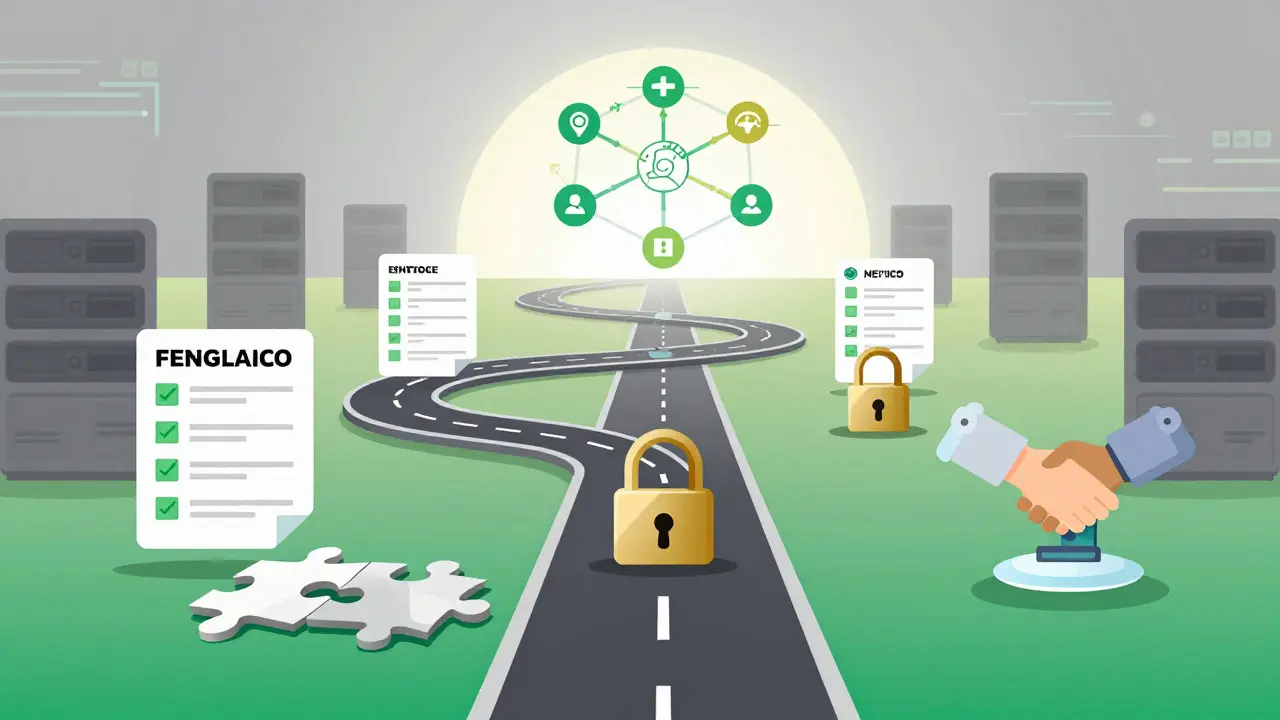
If you are serious about launching in Mexico, here is a realistic roadmap based on current conditions:
- Define Your Model Clearly: Decide early if you fit into crowdfunding, electronic payments, or another category. Avoid ambiguity, as regulators will force you to choose.
- Budget for Compliance: Allocate significant resources for legal counsel, compliance officers, and cybersecurity. Do not underestimate the cost of hiring a qualified CISO.
- Build Local Partnerships: Collaborate with local banks or established fintechs. They can provide insights into navigating CNBV and Banxico requirements.
- Monitor Regulatory Changes: Subscribe to updates from CONDUSEF (the consumer protection agency) and follow debates around Fintech Law 2.0. The landscape shifts frequently.
- Focus on Non-Crypto Products First: Unless you have a very strong legal strategy, avoid direct crypto integration initially. Focus on payments, lending, or insurance to establish traction.
The learning curve for basic compliance establishment typically spans 6 to 12 months. Be patient. Rushing into licensing without proper preparation leads to costly mistakes and delays.
Is cryptocurrency completely illegal in Mexico?
No, it is not illegal for individuals to buy, sell, or hold cryptocurrency. However, licensed financial institutions and banks are prohibited by Banxico from offering crypto services or holding virtual assets. This creates a dual market where personal use is allowed, but institutional integration is blocked.
Who regulates fintech companies in Mexico?
The primary regulators are the National Banking and Securities Commission (CNBV) and the Bank of Mexico (Banxico). Additionally, the National Commission for the Protection and Defense of Financial Service Users (CONDUSEF) handles consumer complaints and transparency issues, while the Financial Intelligence Unit (FIU) oversees anti-money laundering compliance.
What is the "Fintech Law 2.0"?
Fintech Law 2.0 is a proposed update to the 2018 Ley Fintech. It aims to modernize regulations to support open finance, cross-border payments, and more flexible business models. While not yet fully enacted, it represents the industry's push for greater agility and competitiveness compared to other Latin American markets.
How long does it take to get a fintech license in Mexico?
The process typically takes 6 to 12 months for basic compliance establishment. This includes setting up internal controls, hiring required officers, and passing regulatory audits. Complex applications involving cross-border elements may take longer due to additional scrutiny from multiple agencies.
Can I use cloud services hosted outside Mexico for my fintech?
Yes, but with conditions. You must implement robust backup cloud services and adhere to strict data security standards. The regulator requires proof that your data is secure and accessible even if international vendors fail. This often necessitates additional local infrastructure or hybrid cloud solutions.