

You’ve likely seen the buzz around "(FLTY) Fluity Paddle CoinMarketCap airdrop" popping up in crypto groups or search results. It sounds too good to be true, doesn’t it? Free tokens from a protocol that mirrors Liquity, distributed through a trusted platform like CoinMarketCap. But here is the hard truth you need to hear right now: **there is no official "Fluity Paddle" airdrop running on CoinMarketCap.**
If you are searching for this specific campaign, you are likely falling into one of two traps. Either you have encountered a sophisticated phishing scam designed to steal your wallet credentials, or you are confusing community rumors with actual protocol announcements. In the world of decentralized finance (DeFi), especially on networks like Binance Smart Chain (BSC), fake airdrops are rampant. Let’s break down exactly what Fluity Protocol is, why CoinMarketCap isn’t hosting this drop, and how you can protect your assets while still hunting for legitimate opportunities.
What Is Fluity Protocol (FLTY)?
To understand why this airdrop might be fake, we first need to look at the project itself. Fluity Protocol is not a random meme coin. It is a serious DeFi project positioned as a "friendly fork" of Liquity Protocol. While Liquity operates on Ethereum, Fluity has been deployed on the Binance Smart Chain (BSC).
The goal of Fluity is to replicate Liquity’s core value proposition: providing decentralized, interest-free loans against collateral. This model allows users to borrow stablecoins without paying traditional interest rates, which is a huge draw for capital efficiency enthusiasts. The native token, FLTY, serves as the governance and utility token for the ecosystem.
Here are the concrete facts about the FLTY token as of mid-2026:
- Total Supply: 100 million FLTY tokens.
- Circulating Supply: Approximately 44.73 million FLTY.
- Network: Binance Smart Chain (Contract: 0x83b3...7BCf31).
- Current Price Action: As of recent data, FLTY shows zero recorded 24-hour trading volume and a price effectively at $0 USD on major aggregators.
This lack of liquidity and trading activity is a red flag for many investors, but it also explains why a massive, high-profile airdrop on a mainstream platform like CoinMarketCap hasn’t happened. Projects with zero volume rarely get featured in major exchange or tracker-led campaigns because there is no market depth to absorb the distributed tokens.
The Truth About CoinMarketCap Airdrops
CoinMarketCap is the go-to source for crypto prices, but their role in airdrops is often misunderstood. They do operate an Airdrop Platform, but it is highly curated. Currently, if you visit the official CoinMarketCap airdrop page, you will see zero active airdrops and zero upcoming airdrops.
CoinMarketCap does host "Learn and Earn" campaigns. These are educational initiatives where users read about a project, take a quiz, and receive small rewards. However, these campaigns are officially announced via CoinMarketCap’s verified social media channels (Twitter @CoinMarketCap, Telegram, and Reddit). They never announce major token distributions through obscure third-party links or vague terms like "Paddle."
If a website claims to be the "Fluity Paddle" portal hosted by CoinMarketCap, check the URL carefully. Phishing sites often use domains that look similar to `coinmarketcap.com` but contain slight misspellings or different top-level domains (like .net or .org). Always verify the source directly from CoinMarketCap’s official homepage.
Why "Fluity Paddle" Is Likely a Scam
The term "Paddle" in the context of this query appears to be either a misinterpretation of a community nickname, a specific gamified mechanic within a private Discord server, or, most dangerously, a keyword stuffed into a phishing site title to trick search engines and curious users.
Scammers love targeting forks of popular protocols. Since Liquity is well-known, a fork like Fluity attracts attention. Here is how the typical scam works:
- The Hook: You see a headline promising free FLTY tokens via a "Paddle" event on CoinMarketCap.
- The Fake Site: You click a link that leads to a site mimicking CoinMarketCap’s design.
- The Connection: You are asked to connect your wallet (MetaMask, Trust Wallet, etc.) to "claim" your reward.
- The Drain: Once connected, a malicious smart contract executes, draining your USDT, BNB, or other assets from your wallet. The promise of free FLTY was just bait.
Remember: Legitimate airdrops from reputable platforms do not require you to pay gas fees to "unlock" tokens beforehand, nor do they ask for your private keys or seed phrases. If it sounds effortless, it is almost certainly a trap.
How to Verify Legitimate Airdrops
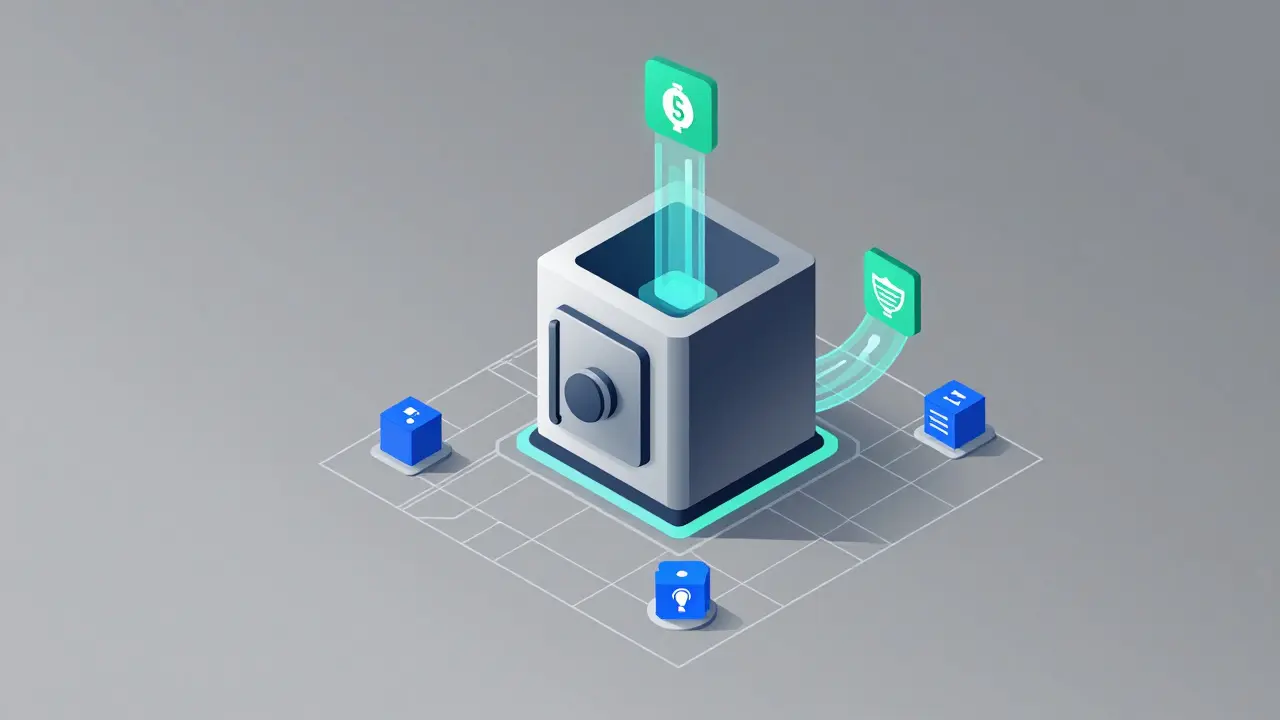
Just because the "Fluity Paddle" on CoinMarketCap is fake doesn’t mean you should give up on finding real opportunities. The key is verification. Here is a checklist to determine if an airdrop is genuine:
| Check Point | Legitimate Signal | Scam Red Flag |
|---|---|---|
| Official Announcement | Posted on project’s verified Twitter/Discord | Only found via Google Ads or DMs |
| Website URL | Exact match to project domain (HTTPS secure) | Misspelled domain or suspicious subdomain |
| Wallet Interaction | Read-only or standard signature request | Requests unlimited approval or private keys |
| Cost to Claim | Free (only network gas fees) | Requires sending ETH/BNB to "verify" identity |
| Platform Association | Listed on CoinMarketCap/CoinGecko main pages | Claims affiliation but not listed on trackers |
For Fluity specifically, you should monitor their official Discord server and GitHub repository. If they launch an airdrop, it will be documented there first. Do not trust screenshots or forwarded messages.
Alternative Opportunities: Learn and Earn
If you are looking for safe ways to earn crypto, CoinMarketCap’s "Learn and Earn" program remains one of the best options. While they aren’t currently running a Fluity campaign, they frequently partner with established projects. Recent examples include campaigns for Sonic (S) and various Layer 1 blockchain platforms.
These campaigns typically offer:
- Educational Value: You learn about new technologies like decentralized asset management or gaming blockchains.
- Low Risk: No wallet connection required for the initial learning phase.
- Real Rewards: Tokens are sent directly to your verified account after completing quizzes.
Keep an eye on the CoinMarketCap Academy section. They categorize guides by difficulty, making it easy for beginners to start earning without risking their capital on unverified contracts.
Understanding the Market Context
Why is there so much noise around Fluity? The DeFi landscape is evolving. We saw projects like Sonic implement unique airdrop structures-giving 25% of tokens immediately and locking the rest for nine months. This created massive hype and trading volume ($148 million+ in 24 hours at peak).
Fluity, being a fork on BSC, aims to capture similar energy. However, without liquidity, hype is dangerous. A token with no buyers cannot sustain a price spike. If an airdrop were to happen tomorrow, and everyone tried to sell their free FLTY tokens at once, the price would crash to zero instantly due to the lack of buy orders. This is known as a "liquidity crunch," and it is why reputable platforms hesitate to list low-volume tokens for public distribution.
Protecting Your Digital Assets
In 2026, security is more important than alpha. Here are three steps to keep your wallet safe while hunting for airdrops:
- Use a Burner Wallet: Never connect your main holding wallet to unknown dApps. Create a separate MetaMask or Trust Wallet with only a small amount of BNB for gas fees. Use this burner wallet for all airdrop interactions.
- Revoke Permissions Regularly: After interacting with any DeFi protocol, use tools like Revoke.cash to check if you’ve granted unlimited spending allowances to suspicious contracts. Revoke them immediately.
- Verify Contract Addresses: Always copy the contract address from the official project website or Etherscan/BscScan. Never paste an address from a Telegram message or a forum post.
The "Fluity Paddle" rumor is a perfect example of why vigilance matters. By sticking to verified sources and understanding the mechanics of DeFi forks, you can avoid losing money to scams and position yourself for legitimate opportunities when they arise.
Is there an official Fluity (FLTY) airdrop on CoinMarketCap?
No. As of July 2026, CoinMarketCap lists zero active airdrops. Any website claiming to host a "Fluity Paddle" airdrop on CoinMarketCap is likely a phishing scam. Always verify announcements on CoinMarketCap’s official social media channels.
What is Fluity Protocol?
Fluity Protocol is a decentralized lending protocol on the Binance Smart Chain (BSC). It is a fork of Liquity Protocol, aiming to provide interest-free loans and censorship-resistant stablecoins. Its native token is FLTY.
Why is the FLTY token price $0?
The FLTY token currently shows zero trading volume and negligible price action on major exchanges. This indicates a lack of liquidity and market adoption. Be cautious, as low liquidity makes the token highly volatile and difficult to sell.
How can I participate in safe crypto airdrops?
Stick to reputable platforms like CoinMarketCap’s "Learn and Earn" program, Binance Launchpool, or official project Discords. Never connect your main wallet to unverified sites, and always use a burner wallet for experimental DeFi interactions.
What is the total supply of FLTY tokens?
The maximum total supply of FLTY tokens is capped at 100 million. Approximately 44.73 million tokens are currently in circulation.
Is Fluity Protocol a scam?
Fluity Protocol itself is a legitimate DeFi project with a published smart contract on BSC. However, the *airdrop* rumors surrounding it are likely scams. Always distinguish between the project’s technology and fraudulent marketing campaigns.
17 Responses
man this whole crypto space is just one big circus and im tired of watching people get played for fools every single day
you guys really think a fork of liquidity on bsc is gonna save you from the inevitable rug pull?
i lost my shirt on three different 'safe' bets last month and now im just sitting here drinking cheap beer and laughing at the absurdity of it all
the drama never ends and neither does the pain in my wallet
it is fascinating how humans continue to chase the mirage of free money despite the obvious signs of decay 🤔
we are like moths flying into a flame that has already burned out
perhaps if we stopped looking for shortcuts we might actually find some peace of mind instead of this constant anxiety about wallet drains and phishing scams 😂
but no we must click the link we must connect the wallet we must believe in the paddle
i have been saying this for years that the entire decentralized finance ecosystem is built on a foundation of lies and deception
they tell us its trustless but then we have to trust random websites not to steal our keys
its a conspiracy to keep us poor and distracted while the elites drain the system dry
do your own research but dont trust anyone especially not these so called experts who write articles like this to protect their own investments
u r all idiots if u think this is safe
always use a burner wallet or u will get drained
simple as that dont be stupid
listen up chumps because i am only going to say this once 🔥
fluity is dead on arrival and anyone holding flty is holding trash
the volume is zero which means there is no market and no future
stop falling for these fake airdrop scams and go learn how to code something real instead of begging for free tokens from a scammy fork
wake up sheeple 🐑
hey everyone lets stay positive even though this news is kinda harsh
we can learn from this mistake and become smarter investors
just remember to always check the official sources and never rush into connecting your wallet
you got this and you will bounce back stronger than ever before 💪
i feel for everyone who has fallen victim to these scams its truly heartbreaking
but we must come together as a community to support each other and share knowledge
please dont blame yourselves because these scammers are incredibly sophisticated
lets focus on protecting our assets and helping others avoid the same pitfalls
peace and love to all of you struggling with this uncertainty
i guess i just stay away from all this noise
too risky for me anyway
maybe ill stick to stocks
oh wow what a spectacular display of ignorance from the masses
you people are literally walking into a trap with your eyes wide open and smiling like idiots
the sheer audacity of thinking coinmarketcap would host a shady fork airdrop is laughable
get educated or get rekt there is no middle ground in this brutal digital arena
i think we should all take a deep breath and consider the bigger picture here
maybe the lack of volume is actually a good sign that the project is still developing quietly
but yeah definitely check those urls carefully because typos happen and scams are everywhere
let me know if u need help checking a contract address i can try to help u out
it is rather amusing to observe the uneducated rabble descending upon this thread with their simplistic views on complex financial instruments
clearly none of you understand the nuances of liquidity provision or the intricacies of smart contract auditing
fluity may appear dormant to the layperson but those of us with actual capital recognize the strategic positioning
however do proceed with caution as your lack of due diligence is truly pathetic
stop crying about it and start analyzing the data properly
the token price is zero because there is no demand and that is a fundamental economic reality not a conspiracy
if you cannot handle the volatility of a low cap token then you have no business being in defi
grow up and take responsibility for your own losses instead of blaming the protocol
i wonder if the developers knew about these fake sites and decided to do nothing
that would be pretty shady don't you think?
maybe they are letting the scammers clean out the weak holders before they launch the real thing
it's a wild theory but crypto is full of weird moves like that
one must adhere strictly to the established protocols of verification before engaging with any such dubious offerings
to suggest otherwise is to invite chaos and financial ruin upon oneself
the article correctly identifies the absence of legitimate activity on coinmarketcap regarding this matter
therefore any deviation from this fact is merely speculation and should be disregarded by serious investors
i think its important to look at why people fall for these things in the first place
is it greed or is it hope?
maybe both play a role in driving traffic to these fake portals
lets discuss how we can build better educational resources to help newcomers navigate this treacherous landscape safely
everyone says its a scam but what if its actually a test of faith
maybe the real reward goes to those who refuse to claim the fake tokens
think about it logically the contrarian move is always the winning move in crypto
so i am just waiting here seeing what happens next
look i worked in security for ten years and let me tell you something
these phishing kits are automated and they change domains every few hours
so even if you block one site another one pops up immediately
the only way to win is to not play at all until the project has real liquidity and verified audits
trust me on this one i see this stuff every single day