
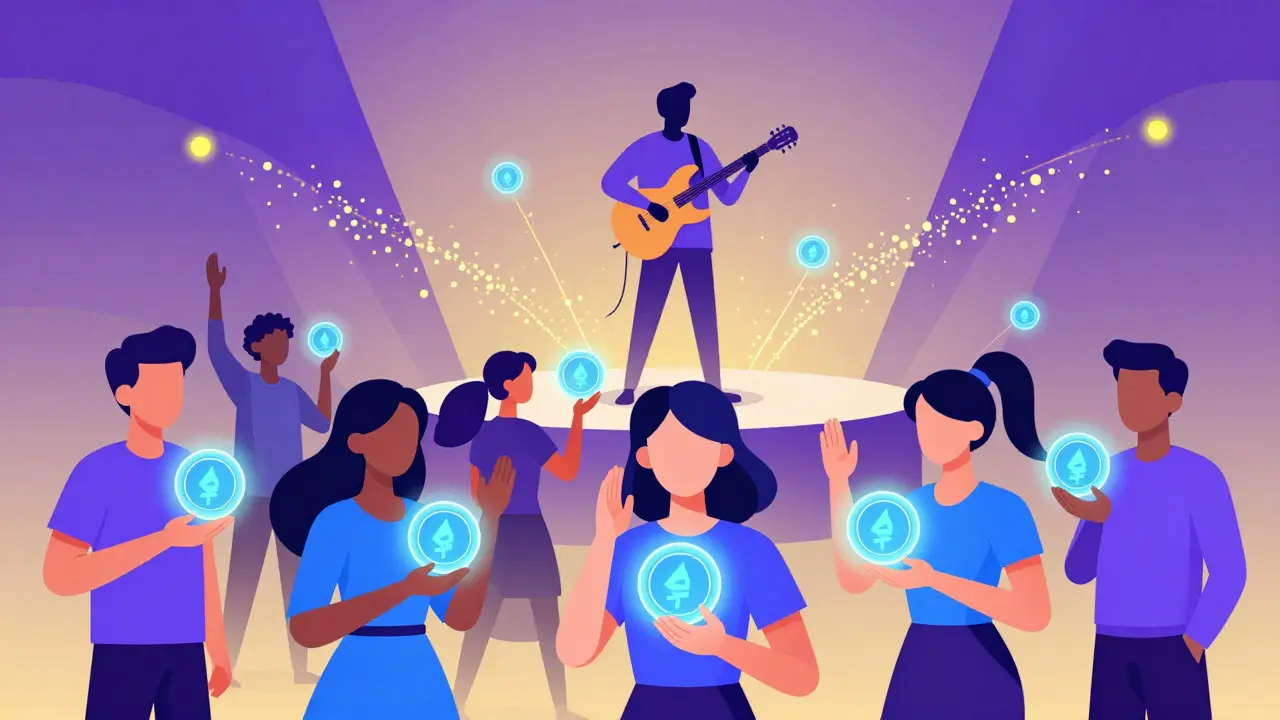
Imagine owning a piece of your favorite artist’s career. Not just buying an album or attending a concert, but holding a digital asset that gives you a say in their next project, access to private chats, and a financial stake in their success. This is the promise of social tokens, also known as creator coins. In 2026, this concept has moved beyond early experiments into a structured ecosystem where creators, fans, and institutions are redefining how value flows in the digital world.
The traditional model-where platforms like YouTube or Spotify take a significant cut while creators fight for visibility-is cracking. Creators are tired of algorithmic whims. Fans are tired of passive consumption. Social tokens bridge this gap by creating direct economic relationships. But what does the future actually look like? Is it a gold rush for influencers, or a sustainable infrastructure for the creator economy? Let's break down the evolution, applications, and market trajectory of these digital assets.
What Are Social Tokens and How Do They Work?
To understand the future, we first need to clarify what social tokens are today. Unlike Non-Fungible Tokens (NFTs), which represent unique ownership of specific items like art or collectibles, social tokens are fungible. This means one token from a creator is identical to another token from the same creator. Think of them like shares in a company, but instead of a corporation, you're investing in a person or a community.
Social Tokens are fungible digital assets issued by creators on blockchain networks that grant holders access to exclusive content, governance rights, and community perks. They operate on smart contracts that automate distribution and benefits.
The value of these tokens isn't determined by a central bank or a corporate board. It's driven by supply and demand within the creator's community. If a musician drops a hit song, demand for their token might spike, raising its price. Conversely, if engagement drops, the value may decline. This dynamic creates a transparent market where supporters can directly influence and benefit from a creator's growth.
Key features include:
- Fungibility: Each token holds equal value, making them easy to trade and use as currency within the creator's ecosystem.
- Governance Rights: Token holders often get voting power on decisions like tour dates, merchandise designs, or charity donations.
- Exclusive Access: Holding tokens unlocks VIP experiences, such as backstage passes, private Discord channels, or early access to new work.
- Direct Monetization: Creators receive funds directly, bypassing intermediaries that typically take 30-50% cuts.
The Shift from Early Experiments to Institutional Adoption
In the early days, social tokens were largely experimental. Projects like $RISE showed potential but also highlighted challenges in sustainability and community management. Many creators launched tokens without clear utility, leading to volatility and eventual abandonment. However, the landscape has shifted dramatically by 2026.
We are now seeing institutional capital enter the space. For example, Capital Trust Group Limited has introduced initiatives involving 100,000 digital bond licenses specifically funded for YouTube creators. This represents a major step toward legitimizing creator economies. Instead of relying solely on fan speculation, creators can access structured funding through tokenized bonds, providing stability for long-term projects.
This institutional involvement signals a maturation of the sector. Venture capital firms like Andreessen Horowitz (a16z) have long argued that social tokens enable creators to monetize directly without third-party control. Their analysis suggests that blockchain infrastructure acts as a universal library for media, allowing developers to build tools while creators retain ownership. As large players invest, we see better regulatory frameworks emerging, reducing uncertainty for both creators and investors.
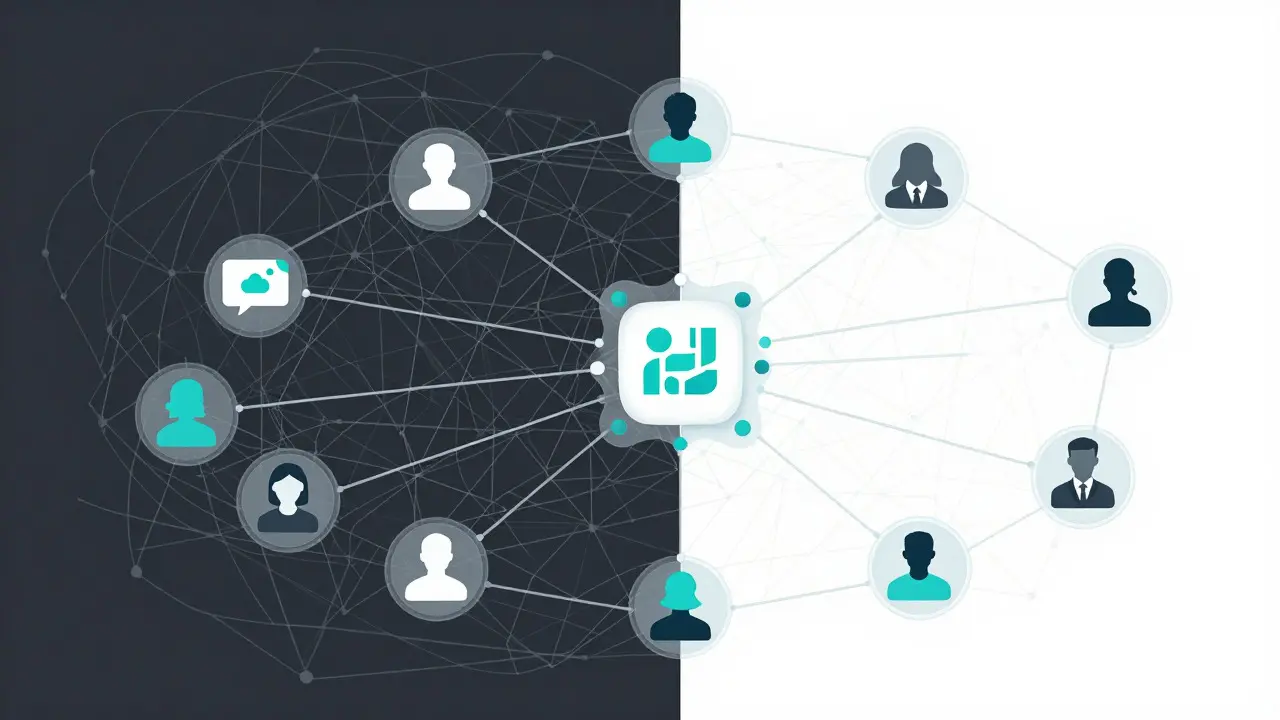
Decentralized Social Media: The New Infrastructure
One of the biggest drivers for social token adoption is the rise of Decentralized Social Media (DeSoc). Traditional platforms suffer from information asymmetry-creators don't know why algorithms suppress their content, and fans don't see the full picture of platform fees. DeSoc platforms address this by putting data and value back into the hands of users.
Platforms like Zora Network exemplify this shift. Zora combines elements of Instagram and X (formerly Twitter) with native crypto features. Users can create and manage social tokens seamlessly within the interface. The platform ensures fair value distribution by rewarding contributors based on actual engagement rather than opaque metrics.
| Feature | Traditional Platforms (YouTube, Instagram) | Decentralized Platforms (Zora, Farcaster) |
|---|---|---|
| Data Ownership | Platform owns user data | User owns data via wallets |
| Monetization Cut | 30-50% taken by platform | Minimal transaction fees only |
| Algorithm Transparency | Black box algorithms | Open-source, transparent rules |
| Community Governance | None | Token-based voting possible |
This transparency builds trust. When fans know exactly how their support translates into creator income, they are more likely to engage deeply. Moreover, DeSoc platforms allow creators to port their audiences easily. If one platform changes its terms unfairly, creators can move their community elsewhere without losing followers-a radical departure from the walled gardens of Web2.
Social Token 2.0: Brands and Influencers
The concept of social tokens is expanding beyond individual creators. We are entering the era of "Social Token 2.0," where personal brands become tradeable assets. This isn't just about musicians; it includes influencers, thought leaders, and even corporations.
Brands are leveraging social tokens to forge deeper connections with influencers and their audiences. Instead of paying for one-off sponsored posts, companies can issue tokens that give them a stake in an influencer's long-term success. This aligns incentives: the brand wants the influencer to thrive, and the influencer is motivated to maintain quality content to keep token value high.
For instance, a fitness apparel brand might partner with a top fitness YouTuber. By issuing joint tokens, they create a shared community. Holders get discounts on gear, early access to collections, and input on product designs. This transforms marketing from transactional advertising into relational equity. It turns customers into stakeholders.
This model also helps solve the problem of creator burnout. Many creators face difficult choices between selling their digital legacies for reduced valuations or continuing to grind for ad revenue. Tokenization offers a middle path: maintaining independence while securing financial backing from a dedicated community. Supporters promote creators because they have a financial interest in their success, creating a virtuous cycle of growth.

Challenges and Risks in the Current Landscape
Despite the excitement, significant hurdles remain. Regulatory uncertainty is the biggest barrier to mainstream adoption. Governments worldwide are still figuring out how to classify social tokens-are they securities, commodities, or utility assets? This ambiguity makes many traditional investors hesitant.
Market volatility is another concern. Social token prices can swing wildly based on hype or news cycles. A creator's scandal can crash their token overnight. While this risk exists in any investment, it's amplified here due to the emotional connection fans have with creators. Education is crucial. Both creators and fans need to understand that these are speculative assets, not guaranteed returns.
Technical accessibility remains an issue too. Although improving, using blockchain wallets and managing gas fees can be daunting for average users. Platforms must continue simplifying these processes. The goal is seamless integration where users interact with tokens without realizing they're on a blockchain.
Future Projections: 2026-2030 and Beyond
Looking ahead, the trajectory points toward broader integration. We expect to see social tokens becoming foundational infrastructure for decentralized communities. Here are key trends to watch:
- Hybrid Compensation Models: Creators will combine ad revenue, sponsorships, and token sales for diversified income streams.
- Interoperability: Tokens will become usable across multiple platforms. A token earned on one DeSoc network could unlock perks on another.
- AI Integration: Artificial intelligence will help creators manage tokenomics, predict demand, and personalize rewards for holders.
- Regulatory Clarity: Expect clearer guidelines from financial authorities, paving the way for institutional products like token-backed ETFs.
The convergence of institutional capital, specialized platforms, and technological maturity indicates substantial expansion potential. Social tokens may redefine not just how creators earn living wages, but how fans interact with culture itself. We are moving from passive consumption to active participation in the creative process.
As technology matures, the distinction between "fan" and "investor" will blur further. Communities will self-organize around shared values and interests, powered by transparent economic models. The future belongs to those who embrace this shift toward decentralization and direct ownership.
Are social tokens considered investments?
Yes, social tokens are often treated as speculative investments. Their value depends on the creator's popularity and community engagement. However, they also offer utility like access to content. Always research before buying, as prices can be volatile.
How do creators make money from social tokens?
Creators earn revenue when fans buy their tokens. They can also charge transaction fees on secondary sales. Additionally, token holders may pay for exclusive perks, generating ongoing income. Some creators burn tokens to increase scarcity and value.
What is the difference between NFTs and social tokens?
NFTs are unique, non-fungible items representing ownership of specific assets like art. Social tokens are fungible, meaning each token is identical and interchangeable. NFTs focus on scarcity; social tokens focus on community membership and utility.
Which platforms are best for creating social tokens?
Popular platforms include Zora Network, Rally, and Friend.tech. These platforms offer easy-to-use interfaces for launching tokens, managing communities, and distributing rewards. Choose based on your target audience and desired features.
Is it safe to buy social tokens?
Safety varies. Use reputable platforms and verify the creator's identity. Be aware of risks like market volatility and regulatory changes. Never invest more than you can afford to lose. Treat it as supporting a creator you believe in, not just a financial gain.