

Back in 2017, Iraq didn’t just say no to Bitcoin-it shut the door on every kind of cryptocurrency trading and mining. No exceptions. No gray areas. The Central Bank of Iraq issued a blanket ban, warning that digital currencies were a threat to the country’s financial stability. Five years later, the ban is still in full force. But here’s the twist: people are still mining crypto anyway.
Why Iraq Banned Crypto in 2017
The Central Bank of Iraq didn’t wake up one day and decide to outlaw Bitcoin because it was trendy. The decision came from real fear. Iraq’s economy was-and still is-fragile. Public trust in banks was low. Cash was king. And suddenly, untraceable digital money was flooding in from abroad, bypassing every control the government had. The bank’s official statement listed three big concerns: money laundering, market manipulation, and consumer fraud. They pointed out that crypto transactions couldn’t be taxed, tracked, or regulated. No paper trail. No oversight. No way to know who was sending or receiving money. In a country still rebuilding after decades of war, that kind of opacity was dangerous. They also worried about energy use. Bitcoin mining eats electricity. Iraq’s power grid was already struggling to keep up with basic needs. The bank cited environmental concerns, even though most miners weren’t running giant data centers-they were using home computers and cheap, off-grid generators. Still, the message was clear: digital currencies were a risk Iraq couldn’t afford.The Ban Wasn’t Just About Money
It wasn’t just the Central Bank acting alone. In 2018, the Kurdistan Regional Government’s Supreme Fatwa Committee weighed in, declaring cryptocurrencies like OneCoin un-Islamic. That was a big deal. In a country where religion shapes public policy, a religious ruling backed the bank’s financial stance. Suddenly, the ban had moral weight, not just legal teeth. This unified front-from secular financial regulators to religious authorities-made it harder for anyone to argue for exceptions. No one wanted to be seen as supporting something labeled both illegal and immoral.But People Still Mine Crypto in Iraq
Here’s where things get messy. The ban is official. But it’s not absolute. In Baghdad, a 33-year-old man named Ahmed Crypto runs a Facebook page where he buys and sells Bitcoin. He used to work from an office. Now he works from his bedroom. He’s careful. He uses encrypted apps. He meets buyers in quiet cafes, never in public. He’s not alone. There are dozens like him-miners, traders, tech-savvy youth who see crypto as their only path to financial freedom. They don’t use exchanges. They don’t rely on apps like Binance or Coinbase. Instead, they trade through WhatsApp groups, Telegram channels, and peer-to-peer cash deals. Some use prepaid cards bought with cash to move money. Others barter Bitcoin for gold or imported electronics. At least two people have been arrested since 2017, according to underground sources. But there’s no public record of trials. No court cases. No fines. Lawyer Hayan Al-Khayyat says he’s never seen a single formal prosecution for crypto trading. That means enforcement is patchy. Sometimes it’s ignored. Sometimes it’s harsh. It depends on who’s asking.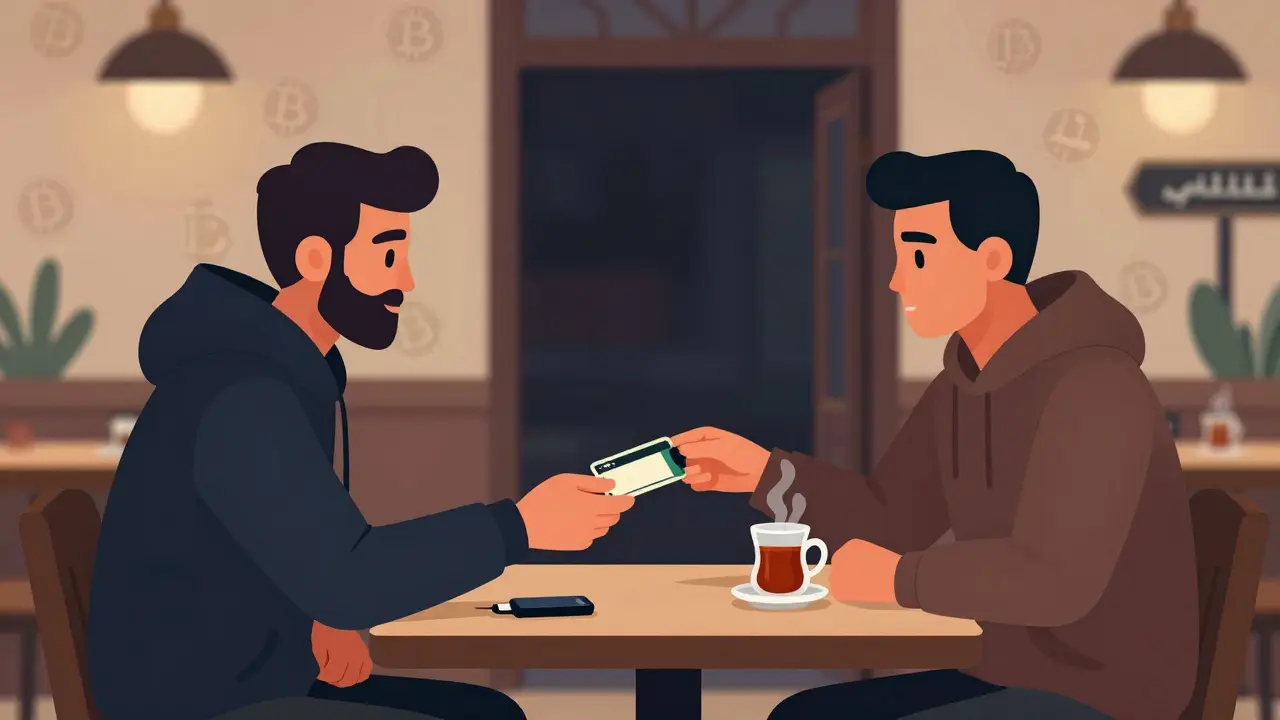
What’s the Real Cost of the Ban?
The ban didn’t stop crypto. It just pushed it underground. And that’s made things worse-for everyone. Businesses in Iraq can’t use crypto to pay for imports. A shop owner in Basra trying to buy machinery from Turkey can’t send Bitcoin. They have to go through a slow, bureaucratic bank transfer that takes weeks. Funds get frozen. Banks reject payments. Fees pile up. Meanwhile, their competitors in Jordan or Lebanon use crypto to pay instantly and cheaply. Even remittances are affected. Iraqis abroad used to send money home via crypto. Now they have to use Western Union or hawala networks-both slower and more expensive. The Central Bank claims it’s protecting the economy. But for ordinary people, it’s just another barrier. And then there’s the brain drain. Young Iraqis with tech skills either leave the country-or turn to crypto in secret. Some move to Turkey or Georgia, where mining is legal. Others stay and risk arrest. Either way, Iraq loses talent.Global Context: Who Else Banned Crypto?
Iraq isn’t alone. As of 2025, only about ten countries have full bans on cryptocurrency. China shut down mining in 2021, citing energy use. Egypt banned it for religious reasons. Bangladesh criminalized possession. Russia restricts it heavily but hasn’t fully outlawed it. But here’s the irony: China’s ban didn’t kill mining-it just moved it. Miners fled to Kazakhstan, the U.S., and even Iraq’s neighbors like Iran and Turkey. Iraq’s ban hasn’t stopped crypto. It’s just made it harder to control. Meanwhile, countries that tried bans are now reversing them. Bolivia lifted its 2014 ban in 2024. El Salvador made Bitcoin legal tender. Even Russia is now allowing regulated crypto payments. Iraq’s stance looks increasingly out of step.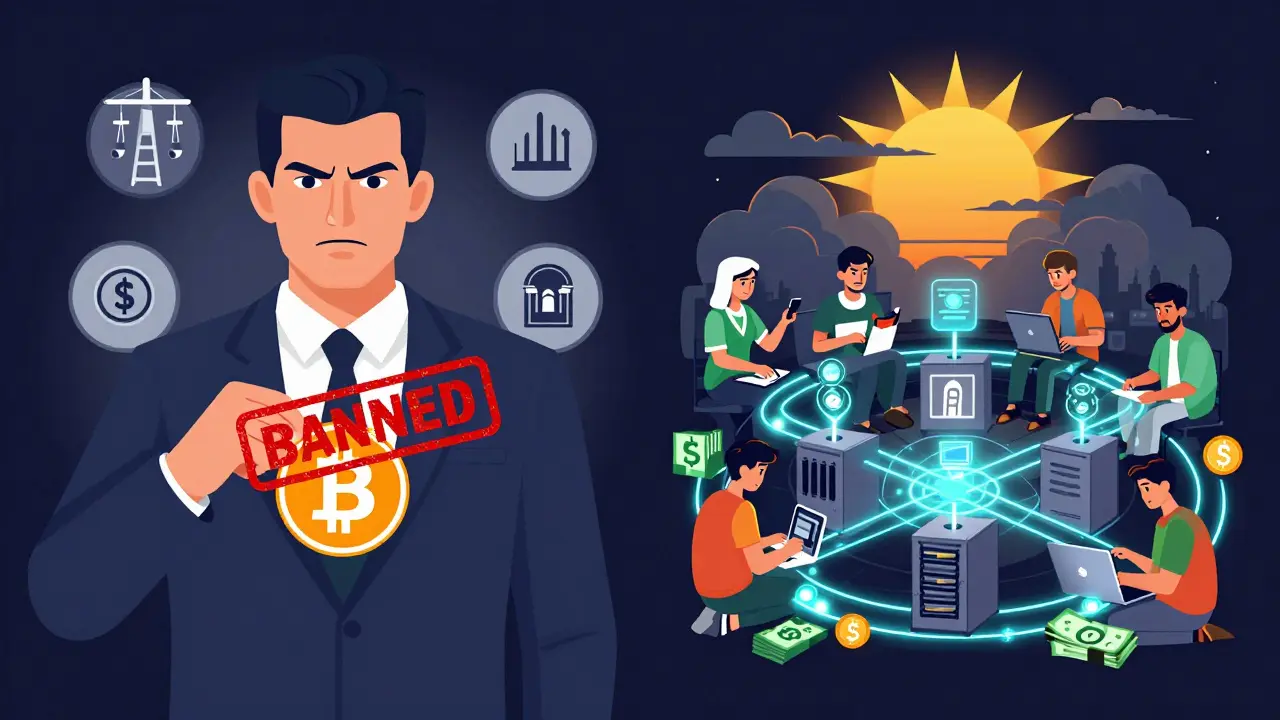
Can the Ban Be Reversed?
Ashur Al-Nuaimi, another Iraqi crypto user, says the Central Bank doesn’t understand blockchain. They see it as a threat because they don’t know how it works. He believes if the government took the time to learn-instead of just banning-it could tax mining, license exchanges, and even create its own digital currency backed by oil revenue. Ahmed Crypto puts it bluntly: "Whatever you do, we will find alternative ways and precautions to avoid prosecution." He’s right. Banning technology doesn’t erase it. It just makes it more dangerous. The real question isn’t whether crypto should be allowed. It’s whether Iraq wants to control it-or be controlled by its own fear.What’s Next for Iraq’s Crypto Scene?
For now, the ban holds. The Central Bank still warns banks not to touch crypto. The Ministry of Finance still refuses to recognize it. But the underground network grows stronger. More young people are learning how to mine. More traders are finding ways to move money. More businesses are quietly accepting Bitcoin for services. The infrastructure is there. The demand is there. The only thing missing is permission. If Iraq ever decides to change course, it won’t need to build a system from scratch. It just needs to stop fighting its own people.Is cryptocurrency mining illegal in Iraq?
Yes, both cryptocurrency mining and trading are officially banned in Iraq under a 2017 directive from the Central Bank of Iraq. The ban covers all digital currencies, including Bitcoin, Ethereum, and others. While enforcement is inconsistent, possessing or operating mining equipment can lead to arrest, though formal prosecutions are rare.
Why did Iraq ban cryptocurrency?
Iraq banned cryptocurrency in 2017 because the Central Bank feared unregulated digital money would fuel money laundering, tax evasion, and financial instability. The country’s fragile economy, weak banking system, and unreliable power grid made crypto’s volatility and energy demands seem like unacceptable risks. Religious authorities also declared crypto un-Islamic, reinforcing the ban.
Are people still mining crypto in Iraq despite the ban?
Yes. Despite the ban, informal crypto mining and trading continue across Iraq, especially in Baghdad, Mosul, and Basra. Miners operate from homes using cheap electricity and encrypted apps. They trade through WhatsApp, Telegram, and cash-based peer-to-peer deals. Authorities rarely prosecute, but users stay hidden to avoid risk.
What happens if you get caught mining crypto in Iraq?
There’s no standard punishment. At least two people have been detained since 2017, but there are no public records of trials or fines. Enforcement appears random-sometimes ignored, sometimes harsh. Most users avoid detection by staying offline, using cash, and avoiding digital trails. Legal experts say formal charges for crypto activity are extremely rare.
Can businesses in Iraq use cryptocurrency for payments?
No. Iraqi banks and financial institutions are strictly prohibited from handling any cryptocurrency transactions. Businesses cannot legally accept Bitcoin or other digital currencies for goods or services. This forces them to rely on slow, expensive traditional banking systems, making international trade difficult and increasing operational costs.
Is there any chance Iraq will lift the crypto ban?
There’s no official sign the ban will be lifted. The Central Bank of Iraq has not signaled any policy shift since 2017. But pressure is growing. Young tech-savvy Iraqis, remittance users, and businesses struggling with banking delays are pushing for change. Some experts believe legalization with regulation could bring tax revenue and reduce the underground economy-but for now, the government sticks to prohibition.
25 Responses
so like... i just mined bitcoin in my garage for 3 months and my electric bill was 800 bucks but i made like 200 in crypto?? why is this even illegal??
The central bank's concerns regarding financial stability, money laundering, and energy infrastructure strain are not without merit. A fragile economy, particularly one emerging from prolonged conflict, requires prudent oversight. While underground markets persist, the absence of regulatory frameworks increases systemic vulnerability.
Let’s be real - banning crypto doesn’t stop it, it just makes it more dangerous. Iraq’s grid is broken, sure, but so is their banking system. People are using crypto because the alternatives are worse. The real failure isn’t the miners - it’s the government refusing to adapt.
I get why the ban exists. But the fact that young people are still finding ways to mine and trade? That’s not rebellion - that’s innovation. The government should be helping them learn blockchain, not chasing them. Imagine if Iraq built its own digital currency instead of fighting the future.
The ban is outdated. Cryptocurrency is not inherently illegal - it's the lack of regulation that creates risk. Iraq could tax mining, regulate exchanges, and even leverage oil-backed digital tokens. Instead, they're losing talent and economic opportunity.
Okay but like, have you seen the power grid in Baghdad? It’s literally falling apart. People are using diesel generators to mine Bitcoin? That’s not tech progress, that’s a disaster waiting to happen. And don’t even get me started on the religious angle - OneCoin was a scam anyway, so why are we even arguing about this? It’s not about freedom, it’s about not getting scammed.
broooooo why is this even a debate?? people are gonna mine no matter what!! it’s like banning water in the desert!! 😭⚡️ if you ban it, they’ll just do it better!!
I’ve seen this pattern before - governments panic, ban tech, then five years later they’re begging for it back. Iraq isn’t unique. China did the same thing. Look where they are now. The solution isn’t suppression - it’s smart regulation. Let’s help the youth, not punish them.
The Central Bank is just protecting the elite. The real reason they banned crypto is because it threatens their control over the economy. The same people who profit from hawala networks and inflated oil deals don’t want competition. This isn’t about stability - it’s about power.
Oh please. Iraq bans crypto but imports American drones and Russian oil. Hypocrisy much? The US bans hashish but sells weapons to every dictator in the Middle East. Why should Iraq be any different? Crypto’s just another tool - stop pretending it’s the devil.
Technology does not respect borders. The ban is an act of fear, not foresight. History shows us that prohibition never eliminates a tool - it only distorts its use. The question isn’t whether crypto should exist, but whether Iraq will lead its people into the future or bury them under outdated dogma.
This is why America needs to stop interfering in the Middle East. Iraq should be able to make its own rules. If they want to ban crypto, fine. Let them decide what’s best for their people. Stop importing Western tech ideologies into sovereign nations.
In many parts of the Muslim world, crypto is seen as a threat not just to finance but to social order. The fatwa from Kurdistan wasn’t just religious - it was cultural. The ban reflects a deeper tension between global tech and local values. That’s not ignorance - it’s identity preservation.
They’re lying. The Central Bank is in bed with Western banks. Crypto is a tool to break the dollar’s monopoly. That’s why they banned it - not because of energy or fraud. It’s a geopolitical play. The US and IMF don’t want Iraq to have financial independence. This isn’t a ban - it’s a coup.
I’ve been reading about this for years. I’m convinced the ban is just a cover for a secret government crypto operation. They’re mining in underground bunkers with military-grade rigs. That’s why they arrest random people - to distract us. They’re hoarding Bitcoin while pretending to ban it.
Oh wow, so the poor Iraqi guy mining Bitcoin in his bedroom is the hero here? Meanwhile, his neighbors are living without lights. This isn’t innovation - it’s selfishness dressed up as rebellion. Maybe if you cared about your country, you’d fix the grid before you mine crypto.
The real tragedy isn’t the ban - it’s that the people who understand blockchain are the same ones leaving the country. Iraq isn’t losing crypto. It’s losing its future. Every engineer who leaves for Turkey is a vote against the state’s ability to adapt. That’s the real cost.
The regulatory vacuum enables illicit capital flight. Without AML/KYC protocols, crypto becomes a vector for sanctions evasion. Iraq’s financial sovereignty is at risk - not from miners, but from untraceable capital flows.
i just don’t get why anyone would risk this. imagine getting arrested for having a wallet. i’d rather just use paypal.
The moral dimension cannot be ignored. If religious authorities deem an instrument un-Islamic, and the state deems it destabilizing, then the ethical imperative is clear: prohibition is not merely legal - it is righteous.
There is a profound irony here. The same institutions that failed to provide reliable banking services now claim to protect financial stability by outlawing the very alternative that millions of citizens have embraced. The solution lies not in suppression, but in inclusive innovation - creating a regulated pathway that honors both tradition and progress.
You know what’s brave? Not giving up. Not leaving. Just quietly mining in your bedroom, keeping your head down, and still believing in a better future. That’s the real Iraqi spirit. Don’t let anyone tell you that’s not resistance.
I think people forget that technology doesn’t care about borders. If it’s useful, people will use it. The question isn’t whether Iraq should ban it. The question is whether they’re ready to meet their people halfway.
this is all a deep state psyop to get us to use their digital dollar. they banned crypto so they can push their own blockchain later. mark my words. they’re already building it. #QAnon
so the government bans crypto but lets gas stations charge 200% markup on diesel? lol