

Have you seen the rumors swirling about a Kalata (KALA) airdrop? It’s easy to get swept up in the hype. Crypto Twitter is full of promises of free tokens, but when it comes to specific projects like Kalata, things are often murkier than they appear. As of mid-2026, there is no official, widely recognized announcement from the Kalata development team confirming a public token distribution. This silence is actually your biggest clue.
In the world of cryptocurrency, if an airdrop isn’t on the project’s official website or verified social channels, it likely doesn’t exist-or worse, it’s a trap. This guide cuts through the noise. We’ll look at what we know about the Kalata cryptocurrency, how to spot fake airdrop scams targeting this specific token, and what you should do if you’re already holding KALA or eyeing it for investment.
The Current Reality: No Official Airdrop Announced
Let’s be direct. After digging through major crypto data aggregators, blockchain explorers, and community forums, the consensus is clear: there is no confirmed Kalata airdrop campaign currently active. Unlike major ecosystem plays like Solana or Ethereum L2s that frequently reward early users with tokens, Kalata has not made headlines for a distribution event.
This absence of information is significant. In 2025 and 2026, legitimate airdrops follow a predictable pattern. Projects announce snapshot dates, list eligibility criteria (like holding a specific NFT or interacting with a testnet), and publish their smart contract addresses. Kalata lacks these markers. If you see a site claiming you can "claim your KALA now," pause. Without official verification, you are likely looking at a phishing attempt designed to drain your wallet.
Why does this matter? Because time is money in crypto. Chasing ghost airdrops distracts you from opportunities that are real. Understanding the difference between a rumor and a roadmap is crucial for preserving your capital and your digital identity.
Understanding the Kalata Token (KALA)
To evaluate any potential future airdrop, you first need to understand the asset itself. Kalata is a cryptocurrency that has struggled to gain mainstream traction. Recent market data paints a picture of a low-volume, highly volatile asset. Trading around the microscopic mark of $0.00003217, the token exhibits classic signs of a micro-cap coin: high volatility and limited liquidity.
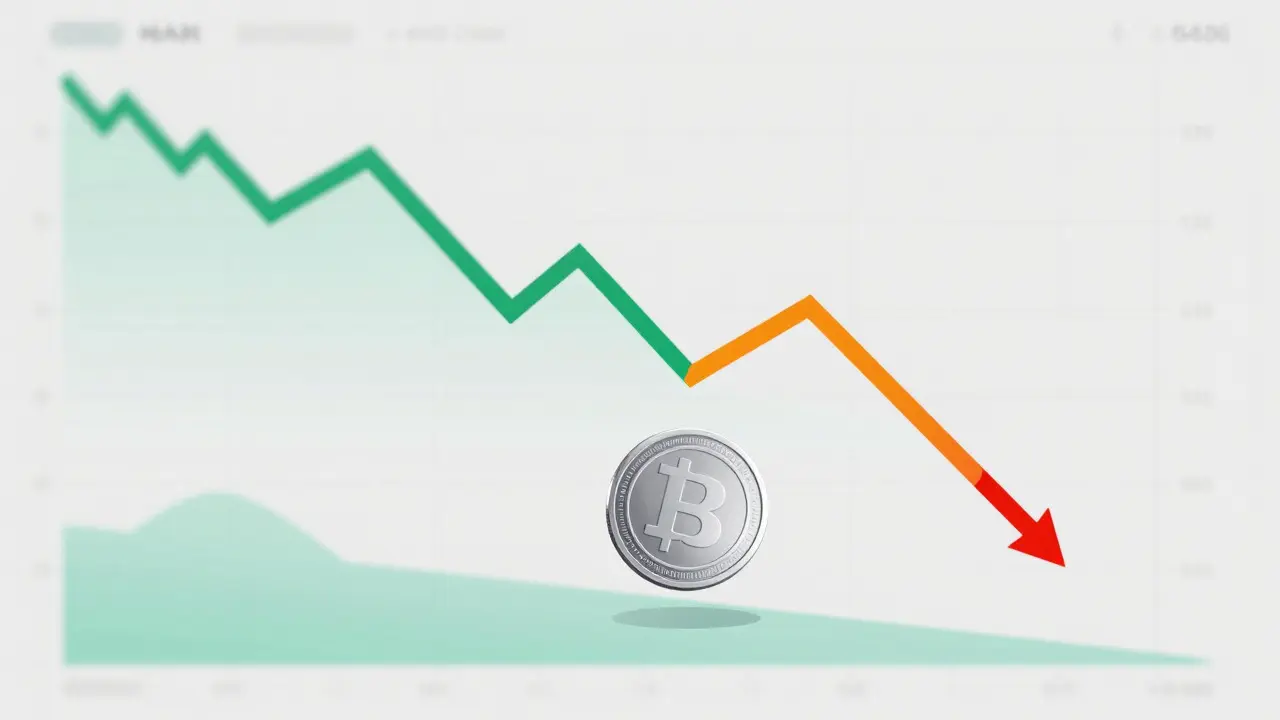
Technical indicators tell a sobering story. The token trades below both its 50-day simple moving average ($0.00003441) and its 200-day simple moving average ($0.00004097). In technical analysis, this is known as a "death cross" configuration, suggesting bearish momentum. The 14-day Relative Strength Index (RSI) sits at 50.43, indicating neutral momentum-meaning the market isn’t strongly buying or selling, just drifting.
| Metric | Value / Status | Implication for Investors |
|---|---|---|
| Current Price | $0.00003217 | Extremely low unit cost; high supply risk. |
| 50-Day Moving Average | $0.00003441 | Price is below average; short-term weakness. |
| 200-Day Moving Average | $0.00004097 | Long-term downtrend confirmed. |
| Volatility (30-day) | 2.93% | High risk of sudden price swings. |
| Trading Success Rate | 47% (Green Days) | Slightly more red days than green; bearish sentiment. |
When a token performs this way, airdrops become less about rewarding loyal community members and more about desperate marketing tactics to inject liquidity. If an airdrop were to happen, it would likely be aimed at boosting trading volume rather than building long-term utility. Keep this context in mind before connecting your wallet to any unknown interface.
How to Spot a Fake Kalata Airdrop Scam
Scammers love obscure tokens. Why? Because fewer people know the official details, making it easier to lie. If you search for "Kalata airdrop" on social media, you will likely find bots and fake accounts. Here is how to protect yourself.
1. Check the Source Domain
Official announcements come from verified domains. Look for the blue checkmark on X (formerly Twitter) or Discord. If the link leads to a URL like `kalata-airdrop-free.com` instead of `kalata.io` or a similar primary domain, close the tab immediately. Scammers register look-alike domains daily.
2. The "Gas Fee" Red Flag
Legitimate airdrops rarely ask you to pay a gas fee to claim tokens, especially on networks where claims are batched. If a site asks you to approve an unlimited allowance for a random contract address, you are likely authorizing a drain on your wallet. Always use a burner wallet for testing new interactions.
3. Unrealistic Promises
If a post claims you can earn $1,000 worth of KALA by simply liking a tweet, it’s a lie. Real airdrops require work: bridging assets, providing liquidity, or running nodes. Free money is the oldest bait in the book.
4. Community Verification
Go to the official Kalata Telegram or Discord. Ask directly: "Is there an official airdrop?" If the mods don’t respond or pin an announcement, assume it’s fake. Do not trust screenshots posted by random users; they are easily forged.
General Airdrop Strategies for 2026
Since Kalata isn’t offering a verified drop right now, why waste energy? Shift your focus to proven strategies. The airdrop landscape in 2026 has matured. Projects are more selective, and rewards are tied to genuine usage. Here is how to position yourself for legitimate opportunities.
- Interact with Testnets: Many Layer 2 solutions and new protocols launch testnets before mainnet. These allow you to transact without risking real funds. Projects like those in the Solana or Ethereum ecosystems often reward early testers. Look for "faucets" that give you test tokens.
- Provide Liquidity Early: Decentralized exchanges (DEXs) often reward early liquidity providers. However, beware of Impermanent Loss. Only provide liquidity to pairs you believe in long-term.
- Join Governance DAOs: Participating in decentralized autonomous organizations (DAOs) shows commitment. Voting on proposals and creating content for the community can flag you as a "whale" or valuable user for future snapshots.
- Use Multi-Sig Wallets: Security is paramount. Use tools like Safe (formerly Gnosis Safe) to manage your airdrop farming activities. This adds a layer of protection against malicious contracts.
Focus on ecosystems with strong backing. For example, projects associated with major venture capital firms or established foundations (like the Ethereum Foundation or Solana Foundation) have higher credibility. Kalata, lacking such prominent ties, requires extra caution.
Is Kalata Worth Buying Instead?
If you miss out on an airdrop, the next question is usually: "Should I just buy the token?" Given the technical outlook, the answer leans toward caution. With an RSI of 50.43 and prices hovering below key moving averages, the trend is downward. Buying into a falling knife is risky.
Consider the opportunity cost. Capital tied up in low-liquidity tokens like KALA cannot be used in more stable DeFi protocols or blue-chip assets. If you do decide to buy, treat it as a speculative bet, not an investment. Limit your exposure to an amount you are comfortable losing entirely. Never invest rent money into micro-cap altcoins.
Furthermore, analyze the tokenomics. How many tokens are in circulation? What is the vesting schedule for the team? If a large portion of tokens is unlocked soon, expect sell pressure. This data is often hidden in whitepapers, so read them thoroughly before spending a dime.
Tools to Track Legitimate Opportunities
Don’t rely on hearsay. Use reputable platforms to track airdrops and token launches. These tools aggregate data from multiple sources, reducing the risk of missing out on real events or falling for fakes.
- CoinCodex: Provides detailed price predictions and historical data, useful for analyzing trends like Kalata’s bearish sentiment.
- Dune Analytics: Allows you to query blockchain data. You can create dashboards to track your own activity across different chains, ensuring you’re eligible for future drops.
- Airdrop.io: A curated list of upcoming and ongoing airdrops. While not perfect, it’s better than random tweets.
- Etherscan/Solscan: Direct blockchain explorers. Use these to verify transaction hashes and contract addresses. If a contract looks suspicious (e.g., high renouncement fees), avoid it.
By using these tools, you build a systematic approach to crypto participation. You stop reacting to noise and start acting on data. This discipline separates profitable farmers from those who get rugged.
Conclusion: Patience Over Panic
The hunt for the Kalata (KALA) airdrop highlights a broader truth in crypto: patience pays off. Rushing into unverified distributions often leads to lost funds. Currently, Kalata shows weak technical performance and no official airdrop news. Treat any claims otherwise with extreme skepticism.
Instead of chasing ghosts, focus on securing your wallets, learning new protocols, and engaging with robust ecosystems. The next big airdrop won’t be announced via a shady DM. It will be found by those who are actively using the technology, not just watching for free money. Stay safe, stay skeptical, and keep your keys private.
Is there an official Kalata (KALA) airdrop in 2026?
As of mid-2026, there is no official announcement from the Kalata development team regarding a public airdrop. Any websites or social media posts claiming otherwise are likely scams. Always verify information through the project's official website and verified social media channels.
What is the current price trend of Kalata (KALA)?
Kalata is currently in a bearish trend. It trades below both its 50-day and 200-day moving averages, indicating downward momentum. The token has shown volatility of 2.93% and has had slightly more red trading days than green in the last month.
How can I identify a fake Kalata airdrop?
Look for unofficial domains, requests for upfront gas fees, and unrealistic profit promises. Always check the source on verified social media accounts. If the project hasn't pinned an announcement in their official Discord or Telegram, assume it's fake.
Is it safe to connect my wallet to claim a Kalata airdrop?
Only if the source is 100% verified. Given the lack of official news, most current claims are unsafe. If you must interact with new contracts, use a separate "burner" wallet with minimal funds to prevent draining your main holdings.
Where can I find reliable information about crypto airdrops?
Reputable sources include CoinCodex for market data, Dune Analytics for on-chain metrics, and curated lists like Airdrop.io. Always cross-reference information with the project's official documentation and blockchain explorers like Etherscan or Solscan.