
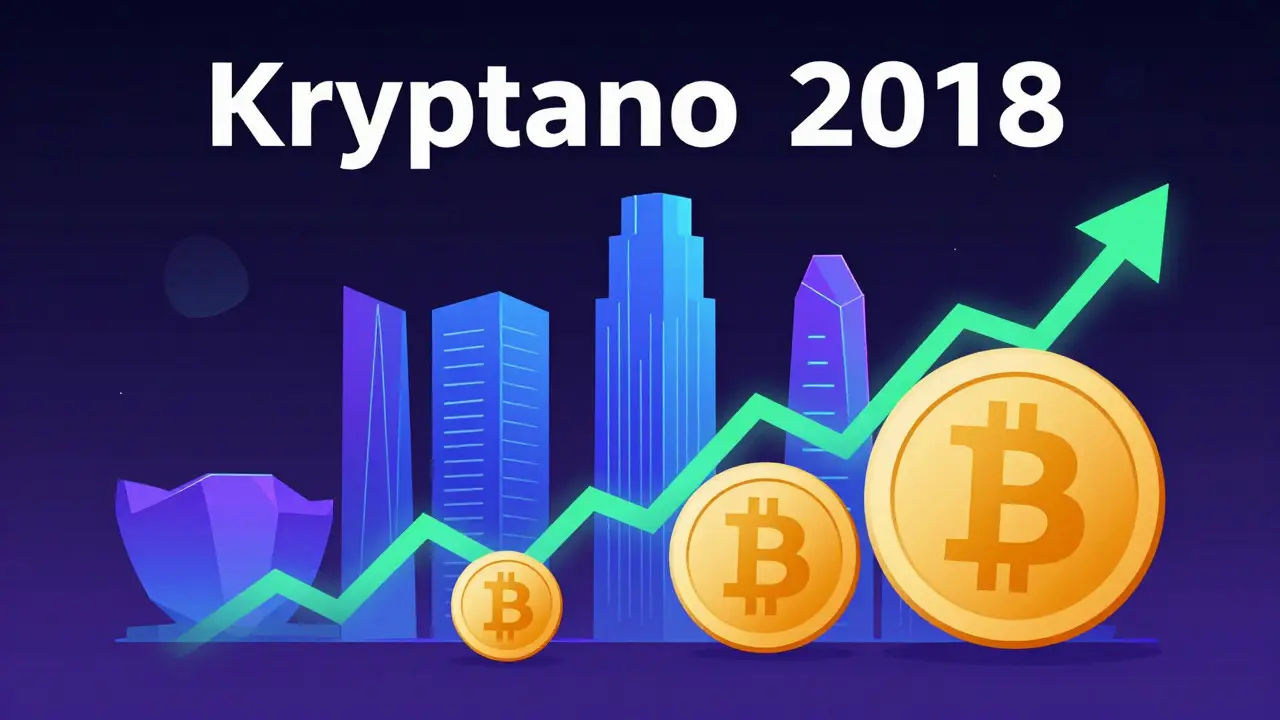
Remember the excitement of finding a new crypto exchange in 2018? The charts were green, Bitcoin was climbing, and every other week seemed to bring a new platform promising lower fees and better tech. Kryptono was one of those names that popped up on radar screens across Asia and beyond. It launched with big promises from Singapore, claiming backing by experts from Ivy League schools and top tech firms. But if you try to visit their website today, you’ll hit a wall. Literally. The site is gone, and so is the exchange.
This isn’t just a story about a failed startup; it’s a cautionary tale for anyone holding digital assets. In this review, we’re not looking at trading pairs or order books because they don’t exist anymore. We’re looking at what happened, why it matters, and where your money should actually go now. If you’re here because you saw an old ad or have some lingering questions about your funds, keep reading. The answers might be harder to swallow than you expect.
The Rise and Sudden Fall of Kryptono
Kryptono entered the market in June 2018. At the time, the crypto landscape was crowded but hungry for innovation. The team behind it touted credentials from Harvard, Stanford, MIT, and Yale. They positioned themselves as a medium-sized player in Asia, specifically targeting US investors who wanted access without the heavy regulatory friction found elsewhere. The name itself, "Kryptono," raised eyebrows early on-some joked it sounded like "Crypto? No." That skepticism turned out to be prophetic.
For a few years, it operated quietly. It offered peer-to-peer (P2P) payments and claimed easy asset access. Then, on November 11, 2021, everything stopped. There was no farewell email. No maintenance notice. Just silence. The website became inaccessible, and users found themselves locked out. Industry databases quickly reclassified Kryptono as "dead." Unlike exchanges that wind down operations over months, giving users time to withdraw, Kryptono vanished overnight. This sudden disappearance is the biggest red flag in its history.
Why Did Kryptono Fail?
We can’t point to a single smoking gun because the company didn’t leave a paper trail upon exit. However, patterns in failed exchanges usually involve liquidity issues, regulatory pressure, or mismanagement. Kryptono was based in Singapore, a jurisdiction known for being relatively friendly to crypto businesses. Yet, even friendly jurisdictions require transparency. The lack of communication suggests internal chaos or a decision to cut ties abruptly.
Consider the competition. By 2021, giants like Binance and Coinbase had solidified their positions. Smaller exchanges struggled to compete on volume and trust. Kryptono’s marketing relied heavily on academic credentials rather than proven track records. While having smart people is good, running an exchange requires robust infrastructure, deep liquidity pools, and responsive customer support. When the website went down, there was no support channel to reach. For many users, this meant their funds were effectively frozen, with no clear path to recovery.
What Happens to Your Funds?
If you had an account with Kryptono when it closed, you’re likely facing a difficult situation. Because the entity ceased operations without a formal bankruptcy announcement or user notification, normal withdrawal procedures are unavailable. You can’t log in. You can’t submit tickets. You can’t verify your balance.
- No Official Bankruptcy Filing: As of late 2025, there is no widely publicized legal restructuring or liquidation process specific to Kryptono that allows for automated claims.
- Loss of Access: Without a functioning backend, your private keys (if held on the exchange) and fiat balances are inaccessible.
- Legal Recourse: Pursuing legal action against a defunct Singapore-based entity with no local office presence is costly and often yields little return for small individual traders.
This scenario highlights a critical rule in crypto: Not your keys, not your coins. Exchanges are custodians, not banks. When they fail, deposit insurance doesn’t always apply unless explicitly stated and backed by a solvent insurer. Kryptono did not publicly advertise such coverage, leaving users exposed.
Current Safe Alternatives for Traders
Since Kryptono is gone, you need a reliable home for your assets. The market has consolidated significantly since 2021. Today’s survivors are regulated, transparent, and resilient. Here’s how the current landscape looks compared to the old Kryptono model.
| Exchange Name | Status | Cryptocurrencies Offered | Fee Range (Maker/Taker) | Regulatory Status |
|---|---|---|---|---|
| Coinbase | Active | 235+ | 0% - 3.99% | Publicly Traded, Regulated |
| Kraken | Active | 350+ | 0% - 0.4% | US Licensed, Global Reach |
| Binance.US | Active | 158+ | 0% - 0.6% | US Compliant Entity |
| Gemini | Active | 73+ | 0.5% - 3.49% | NYDFS Regulated |
| Crypto.com | Active | 313+ | 0% - 2.99% | Global Licenses |
| Kryptono | Defunct | N/A | N/A | Unknown/Closed |
Notice the difference in fee structures and asset availability. Kraken offers some of the lowest fees in the industry while maintaining high security standards. Coinbase remains the go-to for beginners due to its interface, despite higher costs. These platforms have survived multiple bear markets and regulatory crackdowns, something Kryptono never achieved.

How to Spot a Dying Exchange Before It Vanishes
You don’t want to end up in the same boat as former Kryptono users. How do you tell if an exchange is struggling before the website goes dark? Watch for these signs:
- Withdrawal Delays: If transfers take days instead of minutes, liquidity might be tight.
- Silent Support Channels: Test their chat. If responses drop from hours to weeks, staffing is failing.
- Lack of Updates: A healthy exchange posts regular blog updates, roadmap changes, or security notices. Silence is dangerous.
- Aggressive Referral Bonuses: Sometimes, platforms offer huge bonuses to attract new cash flow to cover existing liabilities. This is a classic Ponzi-like signal.
- Team Departures: Check LinkedIn. If key engineers or compliance officers are leaving en masse, trouble is brewing.
In 2026, regulatory bodies like California’s Department of Financial Protection and Innovation (DFPI) maintain active scam trackers. Always check if your chosen exchange appears on any warning lists. Transparency is your best defense.
Lessons Learned from the Kryptono Closure
The closure of Kryptono serves as a stark reminder that popularity and academic pedigree don’t guarantee survival. In crypto, operational resilience matters more than branding. Users often chase new features or low fees, ignoring the boring stuff like audits, proof of reserves, and regulatory licenses.
For those still trying to recover funds from Kryptono, patience is required, but expectations should be managed. Keep records of all transactions. If a liquidator eventually emerges, you’ll need proof of ownership. Otherwise, treat the loss as tuition paid for a lesson in due diligence.
Looking forward, the trend is toward consolidation. Only exchanges with deep pockets, strong compliance teams, and global user bases will survive the next decade. Stick to the majors. Diversify across two reputable platforms. And whenever possible, move long-term holdings to self-custody wallets. Don’t let convenience compromise security.
Is Kryptono still operating?
No, Kryptono is considered defunct. Its website became inaccessible in November 2021, and it has not resumed operations since. It is classified as a dead exchange in most monitoring databases.
Can I withdraw my funds from Kryptono?
Currently, there is no active mechanism to withdraw funds directly through the platform. Since the website is down and the company has not announced a liquidation process, users face significant challenges in accessing their assets.
Was Kryptono a scam?
There is no definitive proof that Kryptono was a malicious scam, but its sudden closure without notice raises serious concerns. It may have failed due to business reasons, but the lack of transparency aligns with behaviors seen in fraudulent operations.
What is the best alternative to Kryptono?
Depending on your needs, Kraken is excellent for low fees and security, Coinbase for ease of use, and Binance.US for a wide variety of assets within the US. All three are established, regulated, and currently active.
Did Kryptono serve US customers?
Yes, Kryptono marketed itself to US investors and did not appear to have explicit geographic restrictions preventing American traders from signing up during its active period.
1 Responses
Not your keys, not your coins. This is the only lesson that matters.