
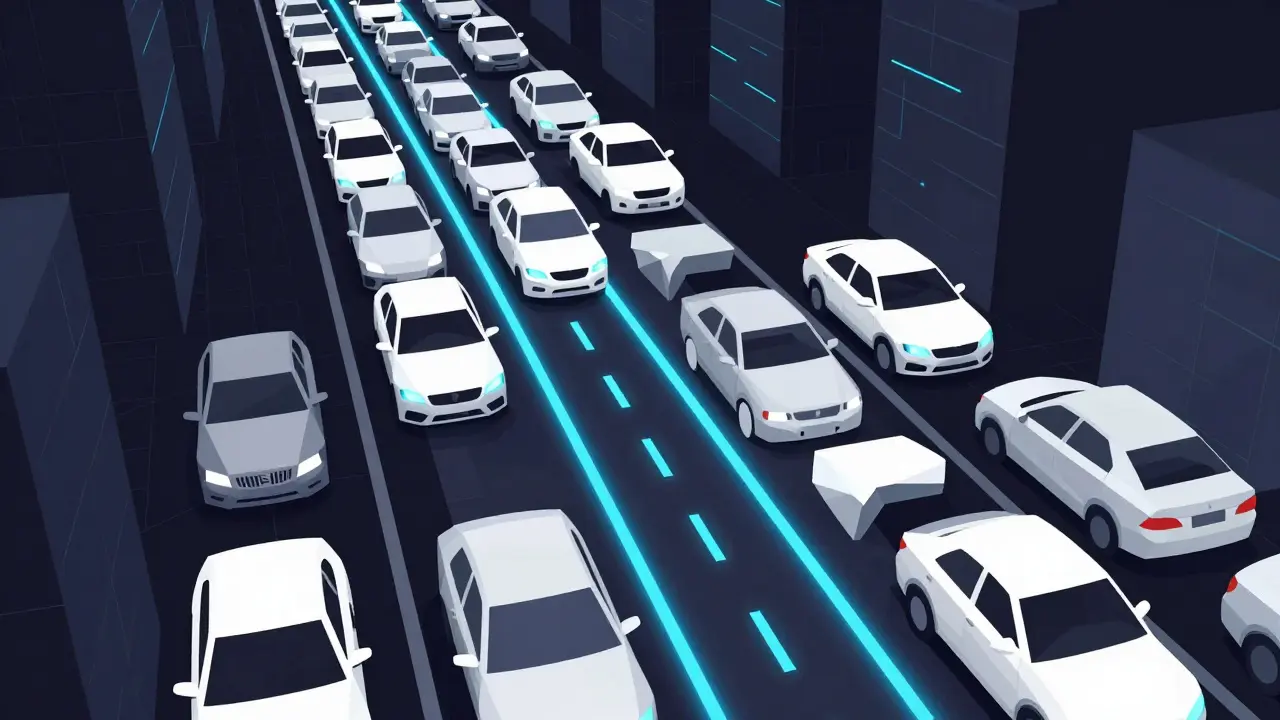
The Foundation: What Exactly is Layer 1?
Layer 1 (L1) is the base-level blockchain architecture. It is the single source of truth and handles everything from security to the final agreement on who owns what. When you hear about Bitcoin or Ethereum, you are talking about Layer 1s. These networks are designed to be decentralized and secure, but that security comes with a speed limit. Because every single node in the network must agree on the state of the ledger, processing time is slow.
For example, Bitcoin uses Proof-of-Work (PoW), which is incredibly secure but only processes about 7 transactions per second. Ethereum transitioned to Proof-of-Stake (PoS) in 2022 to improve efficiency, yet it still only handles around 15-30 transactions per second (TPS). If you've ever seen fees spike during an NFT drop, you've experienced the "bottleneck" of a Layer 1 network. The trade-off here is simple: you get maximum security and decentralization, but you sacrifice speed.
The Express Lane: How Layer 2 Steps In
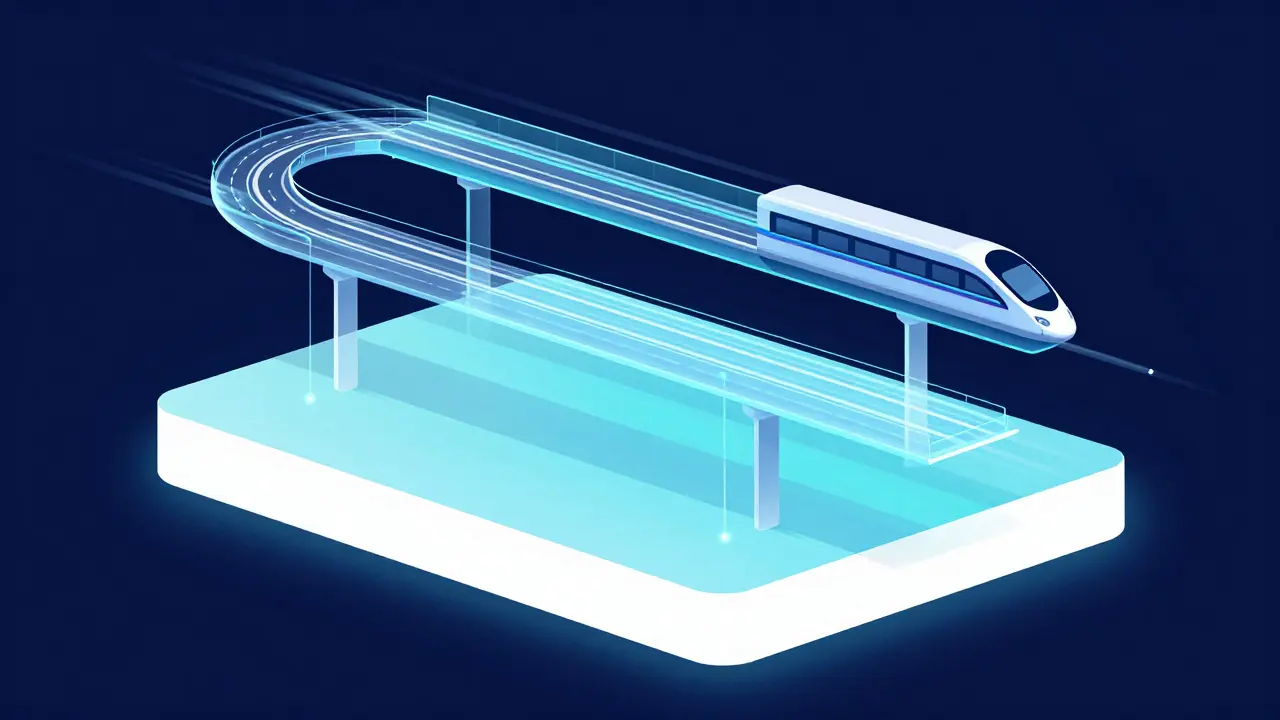
Layer 2 (L2) refers to a secondary protocol built on top of an existing blockchain. Instead of forcing every single transaction to be processed by the main L1 chain, L2s bundle transactions together or move them off-chain entirely. Once the transactions are processed, the L2 simply posts a summary or a proof back to the L1. This allows the L1 to act as a secure "judge" or settlement layer without doing all the heavy lifting.
There are a few different ways this happens. State Channels, like the Lightning Network for Bitcoin, allow two people to open a private tab and transact instantly, only settling the final balance on the main chain. Then there are Rollups, which are currently dominating the Ethereum ecosystem. Optimistic Rollups (used by Arbitrum and Optimism) assume transactions are valid and only check them if someone challenges them. zk-Rollups (used by zkSync or StarkNet) use complex math called zero-knowledge proofs to prove a transaction is valid instantly.
| Attribute | Layer 1 (Base Layer) | Layer 2 (Scaling Layer) |
|---|---|---|
| Primary Goal | Security & Consensus | Speed & Scalability |
| TPS (Throughput) | Low (15-30 for Ethereum) | High (2,000-9,000+) |
| Transaction Fees | Higher (can be volatile) | Very Low (often sub-cent) |
| Security Source | Own Validator Set | Inherited from L1 |
| Decentralization | Highest | Moderate to Low (uses sequencers) |
The Hidden Costs: Security and Trust
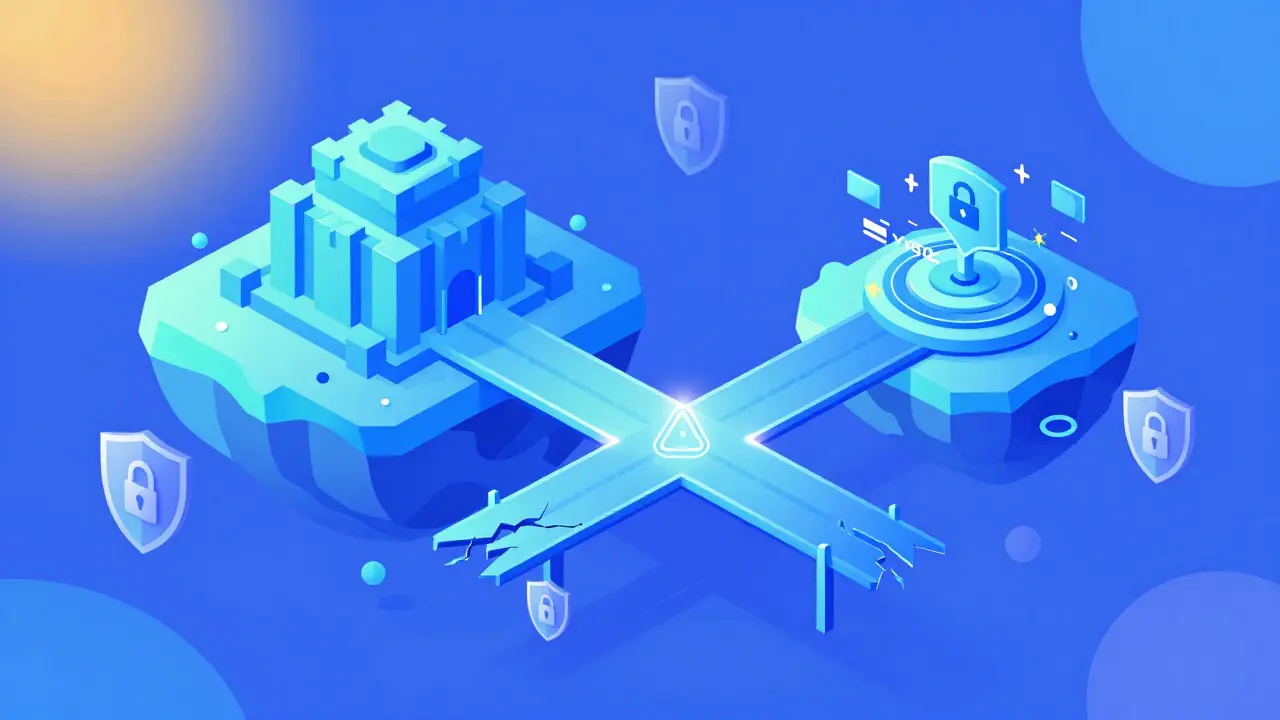
It sounds like Layer 2 is the obvious winner, but there is a catch: the "trust assumption." A Layer 1 is only as trustworthy as its massive rest of the network. If you use Bitcoin, you trust the thousands of nodes globally. When you move to a Layer 2, you are often trusting a Sequencer-a specialized node that orders transactions before they hit the main chain.
While many L2s are moving toward decentralization, many still rely on a single operator. This creates a centralization risk. Moreover, the act of moving money from L1 to L2 requires a Bridge. Bridges are notorious for being the weakest link in the security chain. We've seen massive hacks, like the Ronin Bridge exploit, where hundreds of millions of dollars were stolen because the bridge's validators were too centralized. So, while L2s solve the speed problem, they introduce a new risk: the risk of the bridge or the sequencer failing.
Performance in the Real World
If you are a developer, the choice between L1 and L2 depends on what your app actually does. If you are building a high-value settlement system for banks, you want Layer 1. You don't care if the transaction takes 15 minutes as long as it's mathematically impossible to reverse. However, if you are building a gaming platform where users mint 1,000 items a minute, L1 is impossible. You'd use something like Polygon or Arbitrum.
Real-world data shows this gap clearly. While Ethereum L1 processes a few million transactions a day, L2s like Arbitrum can handle tens of millions. The costs are equally stark. In the peak of the NFT boom, Ethereum fees hit $200 per transaction. Meanwhile, Polygon has consistently kept fees in the fraction-of-a-cent range. But there's a time cost. If you use an Optimistic Rollup, you might have to wait up to 7 days to withdraw your funds back to the L1 due to the "fraud-proof window." For a trader during a market crash, a week-long wait is an eternity.
The Future: Convergence and "Layer 1.5"
The line between L1 and L2 is starting to blur. Ethereum's Dencun upgrade introduced "blobs," which essentially made it cheaper for L2s to store data on the main chain. This dropped L2 fees by 90%, making the scaling effect even more powerful. At the same time, new L1s are trying to be as fast as L2s. Solana, for instance, uses a unique approach called Proof-of-History
to process transactions in parallel, aiming for millions of TPS without needing a separate Layer 2.We are also seeing the rise of "Layer 1.5" concepts. Some newer chains maintain their own independent consensus (like a traditional L1) but incorporate the security of other networks (like Bitcoin) to get the best of both worlds. The goal is a world where the user doesn't even know which layer they are on-they just experience fast, cheap, and secure transactions.
Which is more secure, Layer 1 or Layer 2?
Layer 1 is generally more secure because it relies on a fully decentralized network of validators. Layer 2 solutions inherit security from their L1, but they introduce new risks through sequencers and bridges, which can be points of failure or targets for hacks.
Why are Layer 2 fees so much lower?
Layer 2s process transactions off-chain and "roll them up" into a single batch. Instead of the L1 network verifying 1,000 individual transactions, it only verifies one single proof that those 1,000 transactions were correct. This drastically reduces the amount of computational work required on the expensive L1 chain.
How long does it take to move funds from Layer 2 back to Layer 1?
It depends on the technology. zk-Rollups provide cryptographic proofs that allow for withdrawals in minutes to an hour. Optimistic Rollups have a "challenge period" (usually 7 days) to ensure no one submitted fraudulent data, meaning your funds are locked until that window closes.
Can a blockchain exist without a Layer 2?
Yes. Many blockchains operate solely as Layer 1s. However, as a network grows in popularity, it almost always hits a scalability limit. Without a Layer 2 (or an internal scaling upgrade like sharding), the network becomes too expensive and slow for regular users.
What is the difference between a sidechain and a Layer 2?
A Layer 2 is designed to inherit the security of the L1. A sidechain, like the original Polygon PoS, is a separate blockchain with its own set of validators. If a sidechain's validators collude, they can compromise the funds on that chain, whereas a true L2 rollback is ultimately settled and secured by the main L1.
Next Steps for Users
If you are just starting out, don't feel like you have to choose one or the other; you'll likely use both. Use Layer 1 for storing your long-term holdings (like "cold storage" of ETH or BTC) where security is the only thing that matters. For everything else-swapping tokens, minting NFTs, or playing Web3 games-move your assets to a Layer 2 like Arbitrum or Polygon to save on fees.
Just remember: always double-check the bridge you use. Use well-known, audited bridges and never send your entire portfolio across a bridge in one go. If you're a developer, start by exploring the OP Stack or zkSync SDKs to see how your app handles the shift from L1 settlement to L2 execution.
19 Responses
Man this breakdown is actually super helpful for getting a grip on how the whole system works together
The conceptual dichotomy presented here ignores the systemic fragility inherent in sequencer centralization. One must acknowledge that the heuristic shift toward L2s is merely a palliative measure for the underlying throughput limitations of the Ethereum Virtual Machine. The bridging mechanisms are fundamentally flawed due to the asymmetric security models between the settlement layer and the execution layer, creating a catastrophic point of failure that most retail investors are too intellectually lazy to quantify properly.
i just started using arbitrum last week and the speed is totaly mind blowing compared to mainnet!! its like going from a bicycle to a rocket ship lol
maybe we should think of the blockchain not as a road but as a river where l2s are just smaller streams flowing into the ocean of l1 security its all about the flow of trust in the end
omg please tell me someone else knows about the bridge risks because i feel like people are just throwing money into a black hole without even checking the audits. like seriously do you guys even read the documentation or just follow some random guy on twitter? its actually embarrassing how many people think an l2 is "just as safe" as bitcoin
totally agree on the bridge fear it keeps me up at night
Jump into zk-Rollups folks! The magic of zero-knowledge proofs is a complete game changer for privacy and speed. It's a dazzling leap forward for the whole ecosystem!
This is a pedestrian analysis. The British financial sector would laugh at the notion of relying on a "sequencer" that could be shuttered by a single regulatory whim in a foreign jurisdiction. It is utterly reckless to suggest that L2s are a viable long-term solution when the underlying architecture remains so fragile. Absolute rubbish.
wait i tried to move my funds back from optimistic and it really did take a week!! i was so paniked thinking i lost everything lol
seriously that wait time is just insane in a volatile market!
That is a very fair point about the volatility. For anyone feeling overwhelmed, just remember that starting with a small amount on an L2 is a great way to learn without risking too much. We can all get through the learning curve together!
I laways recommend using a hardware wallet for your L1 holdings and only bridging what you need for the day. Its the best way to keep your stuff safe from those bridge laeks.
It is imperative to maintain a disciplined approach to asset allocation between layers. One should prioritize the security of the base layer for significant capital while utilizing scaling solutions for operational efficiency.
Oh look another "expert" guide that tells us how to use American-designed systems. I'm sure it's just wonderful how we all just trust these protocols without any regard for how they affect the global south. Just keep paying those fees and pretending everything is fine while the whales get richer.
I appreciate the caution mentioned regarding bridges. It's important to be mindful of our digital footprints and the risks we take when moving assets across different protocols.
Who cares about a 7 day wait when the fees are basically zero? Stop complaining and just enjoy the cheap swaps!
Which L2 is cheapest right now?
L1 is the only way to ensure true sovereignty. Everything else is just a compromise for people who can't handle the cost of real security.
This is such a positive way to look at the evolution of the tech! It's exciting to see how these layers are coming together to make crypto accessible for everyone.
it is okay to feel scared of the tech
we are all just learning
just take it slow