
You want free MSU tokens, but the path to them isn't as simple as clicking a button and waiting for crypto to rain down. The MetaSoccer airdrop is actually a "Play-to-Airdrop" campaign. This means you have to put in work-specifically, playing the game and managing a virtual club-to unlock rewards. If you are looking for a passive income stream with zero effort, this might not be it. But if you enjoy soccer management sims like Football Manager and want to own your assets on the blockchain, there is real value here.
The core mechanism of the MetaSoccer ecosystem revolves around the MSU token, which serves as the primary currency for transactions, staking, and governance within the platform. Unlike traditional games where developers control your inventory, MetaSoccer uses Non-Fungible Tokens (NFTs) to represent players, scouts, and land. You own these assets. When you participate in the airdrop campaigns, you are essentially being compensated for contributing liquidity and engagement to this decentralized sports metaverse.
How the Play-to-Airdrop Model Works
To understand how to get your hands on MSU tokens through the airdrop structure, you first need to grasp the entry barrier. You cannot just sign up with an email. You need a MetaSoccer Pass. Think of this pass as your season ticket or membership card. Without it, you don't exist in the league.
Once you acquire the pass, the process shifts from purchasing to participating. Here is the logical flow of earning:
- Setup: Connect your Web3 wallet (like MetaMask) and mint or buy your MetaSoccer Pass.
- Club Creation: You start with a basic team and a scout. Your job is to manage them.
- Match Participation: Enter matches. The simulation engine runs based on player stats, tactics, and luck.
- Reward Distribution: Win matches, complete specific challenges, or hold certain NFTs during designated airdrop windows to receive MSU tokens.
This model differs significantly from standard crypto airdrops that reward early social media followers. MetaSoccer rewards active gameplay. According to data from GAM3S.GG, the match simulation system uses heuristic-based actions. This means passing, shooting, and dribbling success rates are calculated by complex algorithms reflecting real-world soccer physics and player skill ratings. Your strategic decisions directly impact your earnings potential.
Step-by-Step: Getting Started with MetaSoccer
If you are ready to dive in, here is the practical checklist to ensure you don't miss out on upcoming drops.
1. Prepare Your Wallet
You need a compatible Web3 wallet. MetaMask is the most common choice for Ethereum-based interactions, though MetaSoccer has explored integrations with other chains like Polygon for lower fees. Ensure you have enough ETH in your wallet to cover gas fees for transactions.
2. Acquire the MetaSoccer Pass
This is the critical step. As of late 2023 reports, the pass was priced around 0.15 ETH. Prices fluctuate based on market demand and secondary market availability. You can usually find these on major NFT marketplaces like OpenSea or directly through the MetaSoccer official portal. Check the current price before buying; never pay more than the floor price unless the specific pass offers unique utility.
3. Build Your Squad
Start with the basic team provided. Use your initial resources to hire a scout. Scouts help you discover new players. In the early stages, focus on balancing your budget between buying better players and saving for transaction fees.
4. Engage in the League
Regular participation is key. The airdrop algorithms often favor consistent activity over sporadic bursts. Log in daily, check your players' stamina, and enter matches. The community on Discord is active, so join there to get alerts about specific "bonus rounds" or temporary multipliers on MSU earnings.
Understanding the Economics: Tokenomics and Value
Before you invest time or money, you need to understand what you are holding. The MSU token has a total supply of approximately 324.85 million tokens. As of mid-2024 data, roughly 35.8% of this supply was in circulation. This controlled release is designed to prevent immediate dumping by early investors.
| Metric | Value / Detail |
|---|---|
| Total Supply | 324.85 Million MSU |
| Circulating Supply | ~116.27 Million MSU |
| All-Time High (ATH) | $0.0018 (Jan 2022) |
| Recent Stabilization | ~$0.0011 (Apr 2024) |
| Primary Use Case | In-game transactions, staking, governance |
The distribution schedule is aggressive initially but tapers off. Early allocations released 20% at the Token Generation Event (TGE), followed by monthly vesting periods. This structure suggests the team intends to maintain long-term stability rather than a quick exit. However, remember that past performance does not guarantee future results. The token price has seen volatility, dropping from its ATH to stabilize at lower levels. Always do your own research (DYOR) regarding market trends.
Is It Worth It? Pros, Cons, and Risks
No investment or gaming strategy is without risk. Let's look at the honest reality of playing MetaSoccer in 2026.
The Good:
- True Ownership: Your players and stadium are NFTs. You can sell them on secondary markets if you decide to quit the game.
- Strategic Depth: For fans of soccer management, the gameplay is genuinely engaging. It’s not just a clicker game; it requires tactical thinking.
- Security Audits: The platform has been audited by reputable firms like Blocksec, Hacken, and Slowmist. This reduces (but does not eliminate) the risk of smart contract hacks.
The Bad:
- High Entry Cost: The MetaSoccer Pass costs real money (ETH). If the token price crashes or you lose interest, you may not recoup this initial investment. One user reported taking two months to break even on a 0.15 ETH pass.
- Steep Learning Curve: Newcomers to blockchain gaming often struggle with wallet connections, gas fees, and game mechanics. Expect to spend 10-15 hours just learning the ropes.
- Market Volatility: Crypto markets are unpredictable. An airdrop reward might be worth $10 one day and $2 the next.
Comparison: MetaSoccer vs. Traditional Soccer Games
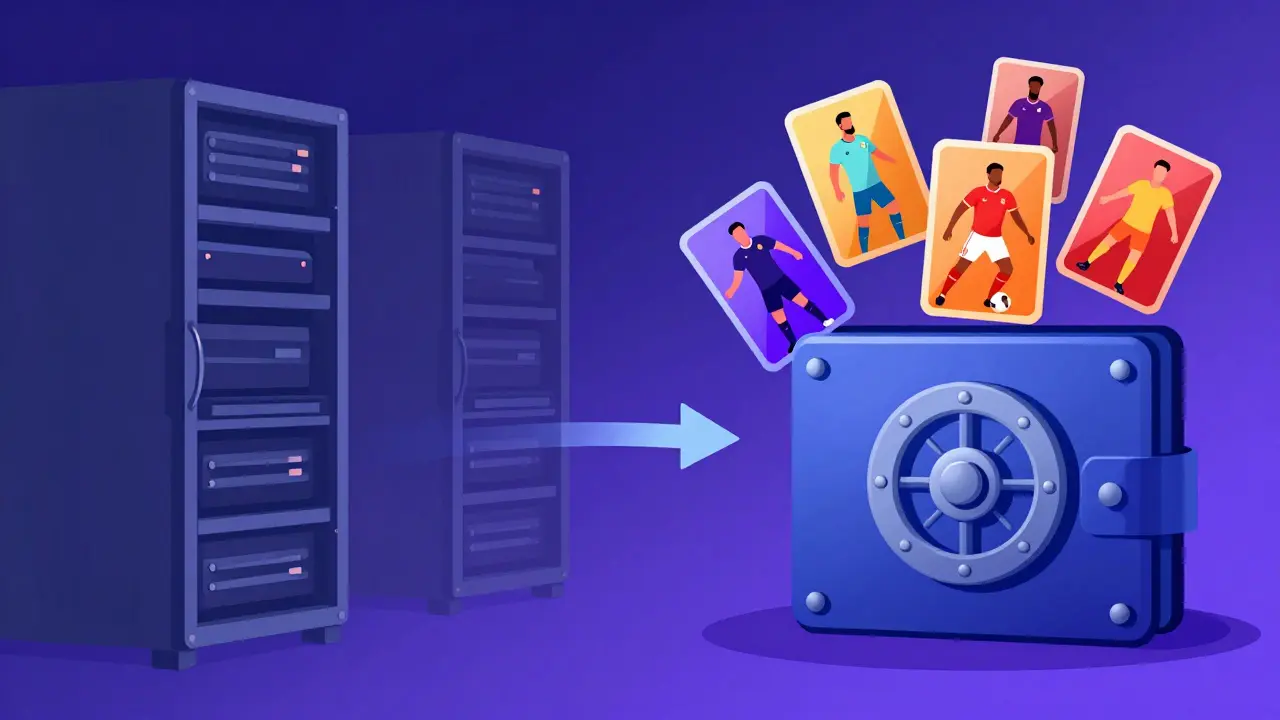
How does MetaSoccer stack up against giants like FIFA or Football Manager? The main difference is asset ownership. In traditional games, if the server shuts down, your team disappears. In MetaSoccer, your NFTs remain in your wallet. Additionally, the play-to-earn aspect allows you to monetize your skill. However, traditional games offer superior graphics and smoother netcode due to centralized servers. MetaSoccer prioritizes decentralization and economic freedom over graphical fidelity.
Future Roadmap and Updates
The project is not static. Version 2.0, launched in early 2024, introduced enhanced stadium customization and improved match simulations. Looking ahead, the roadmap includes integration with the Polygon blockchain to reduce transaction fees, which is a significant pain point for users currently paying high Ethereum gas fees. There are also plans for partnerships with major leagues like La Liga for official player NFTs. These developments could increase the utility and value of the MSU token, making the airdrop efforts potentially more rewarding in the long run.
Troubleshooting Common Issues
If you are stuck, here are quick fixes for common problems:
- Wallet Not Connecting: Ensure you are on the correct network (Ethereum Mainnet or Polygon, depending on current phase). Clear your browser cache or try a different browser.
- Transactions Failing: Gas fees might be too low. Increase the gas limit slightly in your wallet settings before confirming.
- Mistaking Scams: Never share your private key. Official announcements only come from the verified @MetaSoccer Twitter account or the official Discord. Be wary of DMs offering "free passes."
Is the MetaSoccer airdrop completely free?
No. To participate in the Play-to-Airdrop campaign, you must first purchase a MetaSoccer Pass, which costs ETH. This is an upfront investment required to access the game and earn rewards.
What is the MSU token used for?
The MSU token is the native currency of the MetaSoccer ecosystem. It is used for in-game transactions, such as buying players, upgrading stadiums, staking for rewards, and participating in governance votes.
How much time does it take to learn the game?
Most experienced users report needing 10-15 hours to master the basic mechanics, including team management, scouting, and match strategy. The learning curve is considered moderate to steep for beginners.
Are my NFTs safe if the project fails?
Your NFTs are stored in your personal Web3 wallet, not on MetaSoccer's servers. Even if the project ceases operations, you retain ownership of the NFT files in your wallet, though their monetary value may drop significantly.
Can I trade my MetaSoccer Pass?
Yes, the MetaSoccer Pass is an NFT and can be traded on secondary marketplaces like OpenSea. Prices fluctuate based on supply and demand within the community.