

Have you seen the hype around SecretSky.finance, a decentralized communication platform promising anonymous messaging on the blockchain? With buzz surrounding its native SSF token and claims of massive staking yields, many are asking: is there an official airdrop campaign, and should you join?
The short answer is that while SecretSky.finance has announced a token structure involving presales and liquidity pools, concrete details about a public airdrop remain scarce. Before you connect your wallet or spend gas fees, it’s crucial to understand what the project actually offers, how the tokens are distributed, and why those eye-watering APY figures might be more dangerous than rewarding.
What Is SecretSky.finance?
SecretSky.finance operates as a privacy-focused messaging protocol built on the BNB Smart Chain. Unlike traditional chat apps like WhatsApp or Telegram, which require phone numbers or emails, SecretSky allows users to communicate using only their BEP-20 wallet addresses. This feature, branded as SSF:Chat, aims to provide stealth communication without central data collection.
The platform includes features like anti-screenshot modes and message destruction capabilities, appealing to users who prioritize anonymity. However, as of mid-2026, the core applications are still listed as "not yet available" in some documentation, directing users to a product timeline for future launches. This development status is a critical detail when evaluating any associated token campaigns.
Token Distribution: Where Are the SSF Tokens?
To understand if an airdrop is happening, we first need to look at the tokenomics. The total supply of SSF tokens is capped at 1 billion. According to the project’s initial distribution plan:
- 30% Presale: Tokens were allocated for presale via platforms like Unicrypt.
- 20% Liquidity Pool: Reserved for initial market liquidity.
- Remaining Allocation: Distributed among team incentives, marketing, and ecosystem growth.
However, current data from major trackers like CoinMarketCap shows a circulating supply of 0 SSF and a trading volume of $0. This suggests that either the token has not been fully released to the public, trading is inactive, or the distribution phase is still ongoing. If you’re looking for an airdrop, this lack of circulating supply means you likely won’t find free tokens dropping into wallets just by holding other assets-unless the project explicitly announces a snapshot-based distribution later.
| Allocation Category | Percentage | Status / Notes |
|---|---|---|
| Presale (Unicrypt) | 30% | Early investor allocation |
| Liquidity Pool | 20% | Initial DEX liquidity |
| Circulating Supply | 0% | Currently inactive or pre-launch |
The Staking Trap: Understanding the 405,000% APY
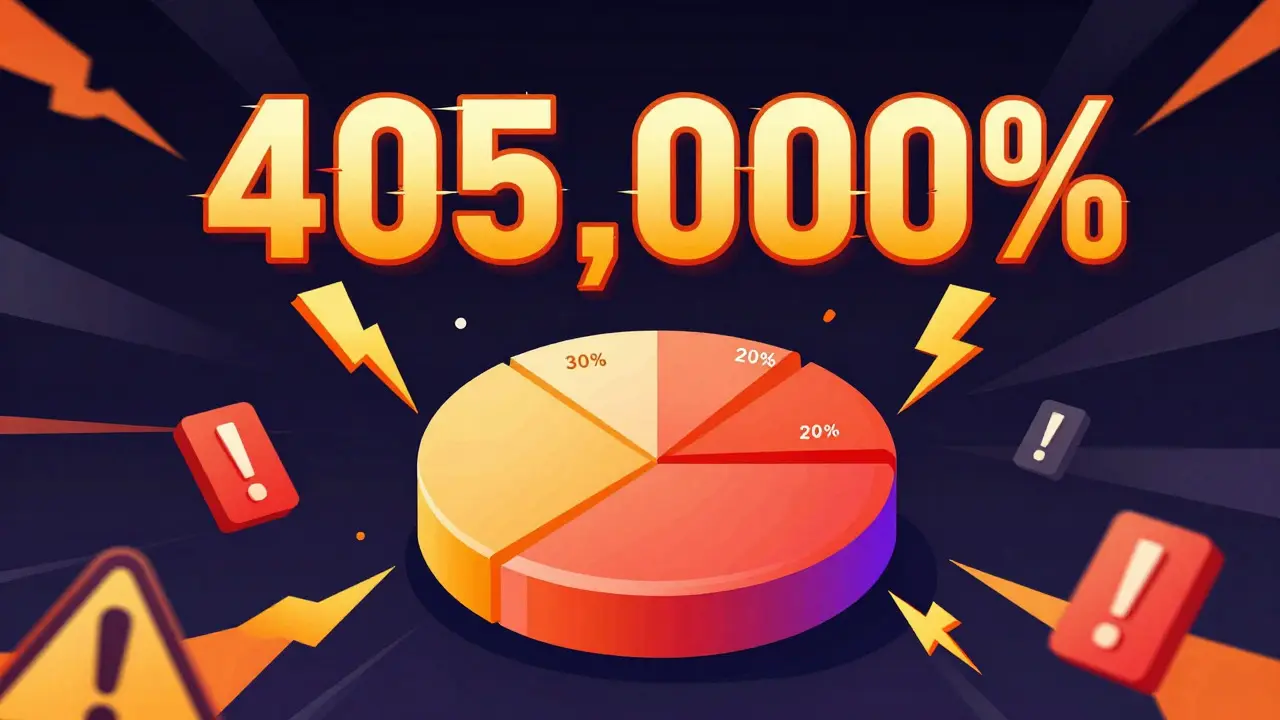
One of the most striking aspects of SecretSky.finance is its advertised staking yield. The platform promotes an Annual Percentage Yield (APY) of over 405,000%. While this number grabs attention, it raises immediate red flags for experienced crypto investors.
In sustainable finance, high yields come from real revenue generation. An APY of 405,555.56% is mathematically unsustainable without massive token inflation. Essentially, the protocol would need to print new tokens at an exponential rate to pay out these rewards, diluting the value of existing holdings rapidly. This model often resembles a Ponzi-like structure where early entrants profit at the expense of latecomers.
If you participate in such staking programs, ask yourself: where is the revenue coming from? Without clear utility driving demand for the SSF token, these high yields may vanish once new capital slows down. Always treat such figures with extreme skepticism.
How to Check for Official Airdrop Campaigns
Since specific airdrop mechanics aren’t widely documented, here’s how you can verify if a legitimate campaign exists:
- Monitor Official Channels: Follow SecretSky’s verified Twitter/X account and Discord server. Scammers often create fake channels; always double-check URLs.
- Check Snapshot Dates: Legitimate airdrops announce a specific date when wallet balances are recorded. Look for announcements regarding "snapshot" dates.
- Review Smart Contracts: The SSF contract address on BNB Smart Chain is 0x6836...ab7ffa. Use tools like BscScan to view holder distributions. If a few wallets hold the majority, the risk of a "rug pull" increases.
- Verify Team Identity: Anonymous teams are common in crypto but increase risk. Look for doxxed founders or reputable audits from firms like CertiK or Hacken.
If no official announcement exists, beware of third-party sites claiming to offer "free SSF tokens." These are often phishing attempts designed to drain your wallet.
Risks and Red Flags to Watch For
Before engaging with SecretSky.finance, consider these critical risks:
- Lack of Trading Volume: Zero trading volume indicates low liquidity. You might not be able to sell your tokens even if you receive them.
- Unverified Audits: Ensure the smart contracts have been audited by independent security firms. Unaudited code can contain hidden functions allowing developers to freeze funds or mint unlimited tokens.
- Vague Roadmap: If the product timeline is unclear or constantly delayed, the project may lack technical execution capability.
- High Yield Promises: As mentioned, unsustainable APYs often precede token collapse.

Alternatives to Consider
If you’re interested in privacy-focused crypto projects with more established track records, consider exploring alternatives:
- MonaCoin (MONA): A long-standing privacy coin with active development.
- Zcash (ZEC): Offers shielded transactions with strong cryptographic proofs.
- Monero (XMR): The gold standard for untraceable cryptocurrency transactions.
These projects have transparent roadmaps, active communities, and proven security models, making them safer bets for long-term investment compared to newer, unproven protocols.
Conclusion: Proceed with Caution
SecretSky.finance presents an intriguing concept for anonymous blockchain messaging, but its current execution leaves much to be desired. With zero circulating supply, questionable staking yields, and limited official documentation, potential participants should exercise extreme caution. If an airdrop does occur, ensure it comes from verified sources and doesn’t require upfront payments or private key access. In the world of crypto, if something sounds too good to be true, it almost always is.
Is there an official SecretSky.finance airdrop in 2026?
As of mid-2026, there is no widely confirmed public airdrop campaign for SSF tokens. Most distribution has occurred through presales and liquidity pools. Always check official social media channels for updates, as unofficial sources may be scams.
What is the total supply of SSF tokens?
The total supply of SSF tokens is fixed at 1 billion. Approximately 30% was allocated for presale, and 20% for liquidity, with the remainder reserved for team and ecosystem growth.
Is the 405,000% APY sustainable?
No, an APY of 405,555.56% is highly unsustainable. Such yields typically rely on rapid token inflation, meaning the value of each token drops significantly as new tokens are printed to pay rewards. This poses a high risk of loss for stakers.
Which blockchain does SecretSky.finance use?
SecretSky.finance operates on the BNB Smart Chain (formerly Binance Smart Chain). Its token contract address starts with 0x6836...
Are SSF tokens currently tradable?
Current data shows a circulating supply of 0 and $0 trading volume, suggesting that SSF tokens are either not yet publicly traded or have extremely low liquidity. Exercise caution before attempting to buy or sell.