
When you think of a BitShares DEX, a fully decentralized exchange built on its own blockchain that lets users trade crypto without intermediaries or order books managed by a company. Also known as BitShares 2.0, it was one of the first platforms to combine automated market making with user-governed consensus, long before Uniswap or SushiSwap became household names. Unlike centralized exchanges that hold your keys and control your funds, BitShares DEX runs on a blockchain where every trade happens peer-to-peer, directly between wallets. No middleman. No withdrawal delays. No sudden platform shutdowns.
What sets BitShares apart isn’t just its tech—it’s its governance. The network is run by delegated proof-of-stake (DPoS), a consensus model where token holders vote for witnesses who validate transactions and maintain the network. This means you don’t just trade on BitShares—you help run it. Holders of BTS, the native token, can vote on fee structures, new assets, and even changes to the core protocol. It’s not just a trading platform; it’s a self-sustaining financial ecosystem. And unlike many DEXs that rely on Ethereum’s congestion and high gas fees, BitShares DEX processes trades in under a second with near-zero cost, making it ideal for frequent traders or those who want to avoid slippage on small orders.
It also pioneered smart assets, tokenized digital assets pegged to real-world values like USD, gold, or even Bitcoin, all issued and managed directly on the BitShares blockchain. These aren’t wrapped tokens or sidechains—they’re native, collateral-backed digital currencies built into the system. For example, bitUSD has always traded at $1, even during Bitcoin crashes, because users lock up BTS as collateral to mint it. This made BitShares one of the first places to trade stablecoins without relying on centralized custodians. Even today, when most DeFi platforms chase yield farming and complex liquidity pools, BitShares DEX stays focused on one thing: simple, fast, and fair peer-to-peer trading.
There’s no hype here. No influencer shills. No presales with locked wallets. BitShares DEX has been running since 2014, survived multiple crypto winters, and still operates without a central team calling the shots. It’s not the flashiest platform, but it’s one of the most honest. If you want to trade crypto without trusting anyone, without paying fees that spike during market chaos, and without waiting hours for a transaction to confirm, BitShares DEX is still one of the few options that delivers on that promise.
Below, you’ll find real-world reviews, technical breakdowns, and lessons learned from users who’ve traded on it, compared it to other DEXs, and even built tools on top of its open protocol. Whether you’re curious about its history, wondering if it’s still usable today, or just tired of centralized exchanges pulling the plug on your withdrawals—this collection has what you need to decide for yourself.
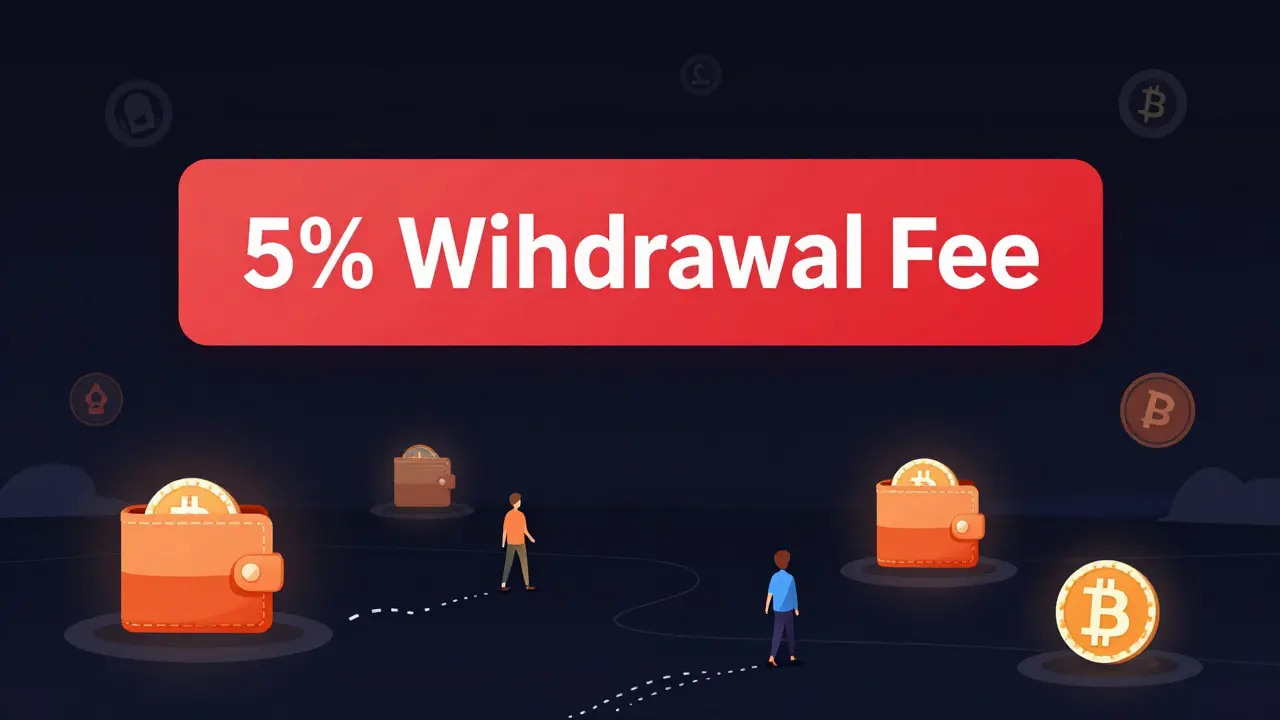
OpenLedger DEX shut down in 2020 after charging a 5% withdrawal fee that destroyed trust and liquidity. Learn why this failed exchange offers a critical lesson for anyone using decentralized platforms today.
Tycho Bramwell | Dec, 2 2025 Read More