
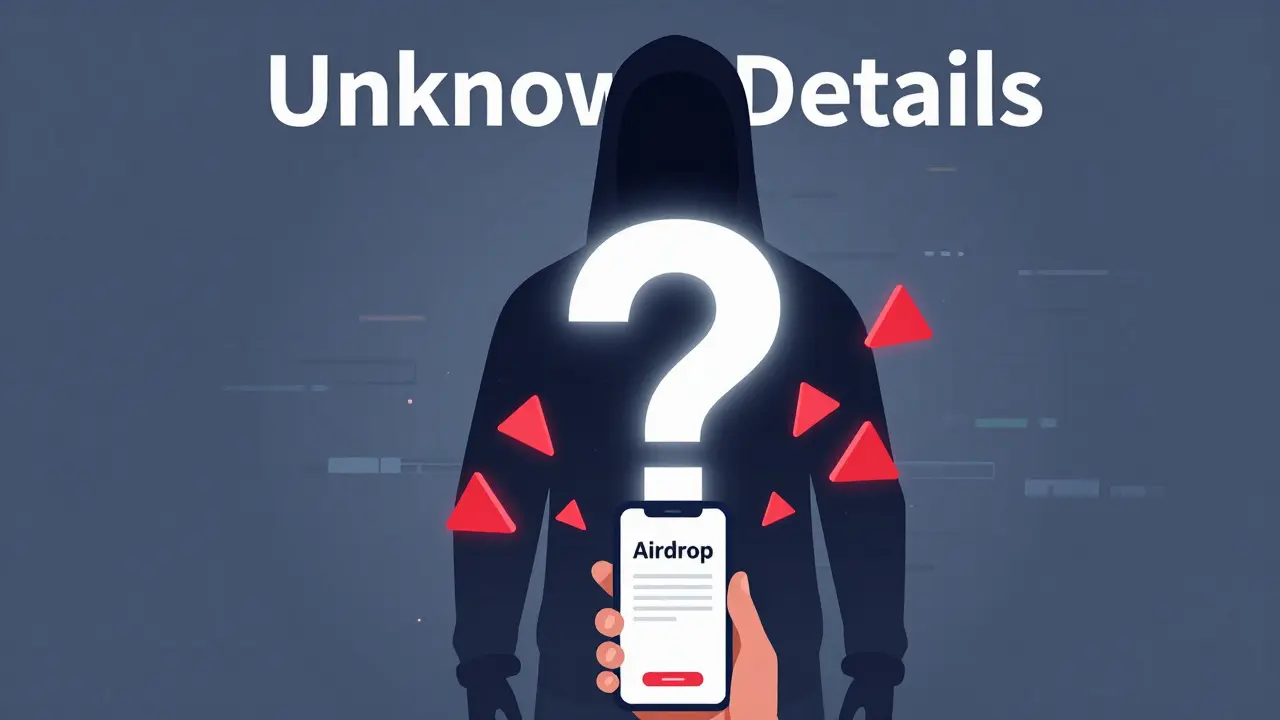
Have you seen the buzz about The Recharge Incentive Drop, an airdrop supposedly by "Unknown details"? It sounds too good to be true, right? Free tokens just for showing up. But here is the hard truth: there is zero credible information about this specific project anywhere in the legitimate cryptocurrency ecosystem. When a project has no name, no team, and no history, it is usually a red flag waving at full mast.
In the world of cryptocurrency airdrops, which are marketing tools used by blockchain projects to distribute free tokens to early users, legitimacy matters more than hype. We are living in May 2026, a time when scams have become sophisticated enough to mimic real opportunities perfectly. If you cannot find a verified website, a whitepaper, or a discussion on major platforms like CoinMarketCap or CoinGecko, you are likely walking into a trap. This article breaks down why "The Recharge Incentive Drop" raises alarms and how you can protect your digital assets while still hunting for genuine rewards.
Why "Unknown Details" Should Scare You
Let’s talk about trust. In traditional finance, you know who runs the bank. In crypto, anonymity was once a feature, but today, it is often a bug-or worse, a weapon. A project calling itself "Unknown details" is not mysterious; it is hiding. Legitimate projects want exposure. They hire teams, build communities, and publish roadmaps. They do not hide behind vague names.
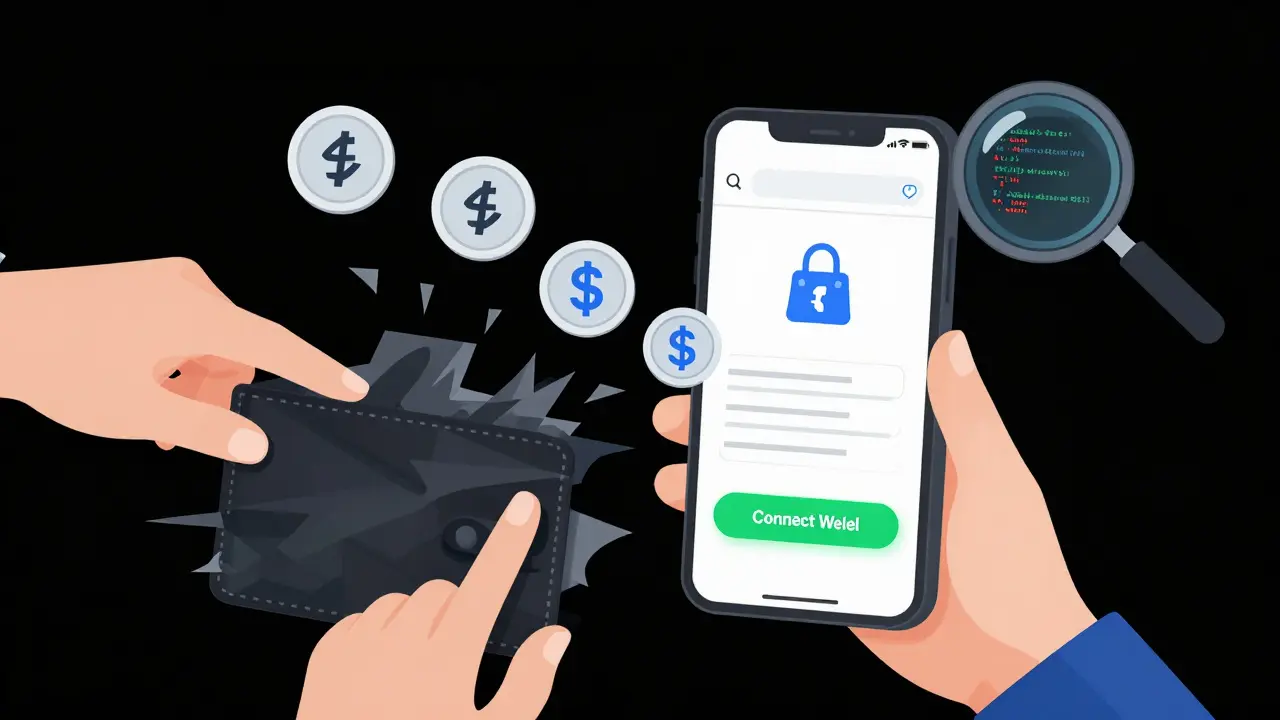
Consider the anatomy of a scam airdrop. These schemes often use generic names that sound professional, like "Incentive," "Drop," or "Reward." They rely on FOMO (Fear Of Missing Out). You see a post on social media claiming everyone is getting rich from this drop, so you click. The site asks for your wallet connection. Once connected, they might drain your funds or trick you into signing a malicious contract. Without a verifiable entity behind "The Recharge Incentive Drop," there is no one to hold accountable if things go wrong. There is no customer support, no legal framework, and no recourse.
How Legitimate Crypto Airdrops Actually Work
To understand why this specific drop is suspicious, you need to know what a real airdrop looks like. Genuine airdrops are strategic moves by established or emerging blockchain protocols. They fall into several clear categories:
- Task-Based Airdrops: These require simple actions like following a Twitter account, joining a Discord server, or retweeting a post. They are low-risk but also low-reward. Projects like Uniswap famously used retroactive distributions to reward early users who had already interacted with their platform, giving them governance tokens without any extra tasks.
- Interaction-Based Airdrops: These involve using the protocol-swapping tokens, providing liquidity, or bridging assets. This carries gas fees and smart contract risk. For example, users who interacted with Arbitrum or Optimism Layer 2 networks were rewarded because they helped test and secure the network.
- Holder Airdrops: These target existing holders of specific tokens. If you held NEO in 2018, you received ONT tokens. This is a way to increase utility for existing stakeholders.
Notice a pattern? All these examples have known entities. Uniswap is run by a DAO with public developers. Arbitrum is backed by SequencerDAO. You can look them up. You can read their code. "The Recharge Incentive Drop" offers none of this transparency.
The Mechanics of Airdrop Scams in 2026
Scammers have evolved. They don’t just send you worthless tokens anymore. They use psychological triggers and technical tricks. Here is how a typical scam involving a fake airdrop unfolds:
- The Hook: A bot army posts about "The Recharge Incentive Drop" across Telegram, X (formerly Twitter), and Reddit. The posts claim limited spots and huge payouts.
- The Lure: You visit a cloned website that looks almost identical to a popular exchange or wallet interface. The URL might be slightly off, like `recharge-drop-secure.com` instead of a legitimate domain.
- The Trap: To "claim" your tokens, you must connect your wallet. Some scams ask for a small "gas fee" payment first. Others exploit approval limits. When you sign a transaction, you aren’t just paying gas; you are granting unlimited spending access to your wallet balance to the scammer’s address.
- The Drain: Within seconds, your ETH, SOL, or USDC is drained. The "airdrop" tokens you receive are worthless dust, designed to clutter your wallet and distract you from the theft.
This isn’t hypothetical. In recent years, thousands of users have lost millions to similar schemes. The lack of information about "Unknown details" is the biggest clue. Real projects spend millions on marketing. Fake ones spend pennies on bots.
Red Flags: How to Spot a Fake Airdrop
You don’t need to be a developer to spot a scam. Look for these warning signs before you ever connect your wallet:
| Feature | Legitimate Project | Suspicious/Scam Project |
|---|---|---|
| Team Identity | Public profiles, LinkedIn links, known founders | Anonymous, "Unknown details," no bios |
| Website Quality | Professional design, HTTPS, clear roadmap | Poor grammar, urgent countdown timers, broken links |
| Social Presence | Active community, verified badges, long history | New accounts, bot-like comments, no engagement |
| Requirements | Simple tasks or past interaction | Asks for private keys, seed phrases, or upfront payments |
| Tokenomics | Clear supply cap, vesting schedules, audit reports | No whitepaper, infinite supply, no audits |
If "The Recharge Incentive Drop" checks even two of the suspicious boxes, walk away. Do not rationalize it. Do not think you are smarter than the scammer. They study human psychology daily.
Safe Ways to Participate in Real Airdrops
Does this mean you should stop chasing airdrops entirely? No. Airdrops can still be lucrative if you approach them with caution. Here is how to hunt safely:
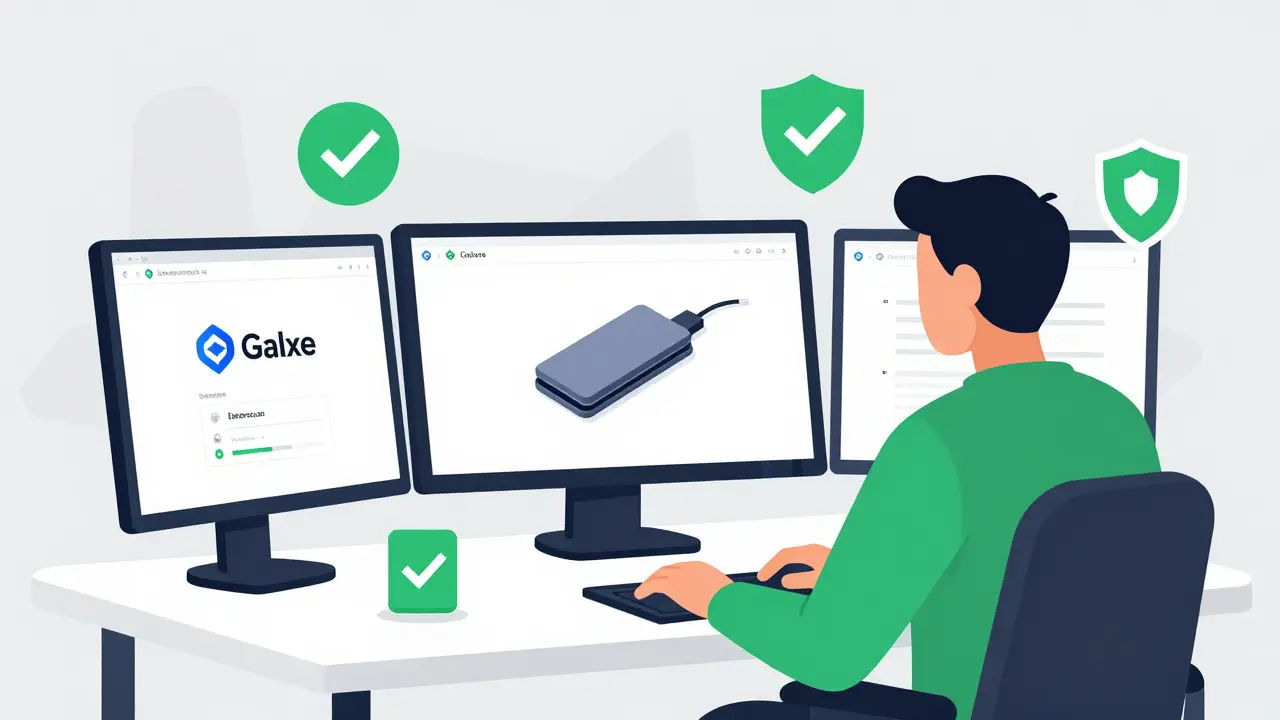
Use Dedicated Tools: Platforms like Galxe, Layer3, and Zealy aggregate legitimate quests. These platforms verify projects before listing them. If an airdrop isn’t listed on these reputable aggregators, treat it as suspect.
Isolate Your Wallets: Never use your main wallet-the one holding your life savings-for airdrop farming. Create a separate "burner" wallet. Fund it only with what you can afford to lose. Even if you get scammed, your main assets remain safe. Use hardware wallets like Ledger or Trezor for signing transactions whenever possible.
Verify Contracts: Before interacting with any dApp, check its contract address on Etherscan or Solscan. Look for audit badges from firms like CertiK or Hacken. If the contract is new and unaudited, proceed with extreme care.
Check Community Sentiment: Go to the official Discord or Telegram. Ask questions. Are real people answering? Or is it just bots spamming emojis? Legitimate communities have moderators, active discussions, and transparent development updates.
What To Do If You Already Connected
Did you already connect your wallet to a site promising "The Recharge Incentive Drop"? Don’t panic, but act fast. First, revoke any token approvals. Use tools like Revoke.cash or Unrekt to disconnect your wallet from unknown contracts. This prevents future drains.
Next, move all remaining funds to a new wallet address immediately. Generate a fresh seed phrase on a clean device. Transfer your assets out of the compromised wallet. Finally, monitor the old wallet for any unusual activity. If you entered your seed phrase anywhere, assume it is compromised forever. Never reuse that wallet again.
The Future of Airdrops: Quality Over Quantity
The era of easy money in crypto is fading. Regulators are cracking down, and projects are becoming more selective. In 2026, successful airdrops require genuine participation-providing liquidity, voting in governance, or building on-chain reputation. Projects like EigenLayer and Starknet have set high bars for eligibility.
Instead of chasing random drops with vague names, focus on ecosystems you believe in. Interact with protocols that solve real problems. Build a history of usage. This "retroactive" approach is safer and often more rewarding than clicking suspicious links. Remember, if an opportunity feels too vague to explain to a friend, it is probably too risky to take.
Is The Recharge Incentive Drop a legitimate airdrop?
There is no credible evidence that "The Recharge Incentive Drop" is a legitimate project. The lack of identifiable team members, official documentation, and presence on reputable tracking sites suggests it is likely a scam. Always verify projects through multiple trusted sources before participating.
What does "Unknown details" mean in the context of crypto airdrops?
"Unknown details" typically indicates that the project has not disclosed essential information such as the development team, tokenomics, or roadmap. In the crypto space, this level of opacity is a major red flag for potential fraud or rug pulls.
How can I verify if a crypto airdrop is safe?
To verify safety, check for a verified social media presence, a detailed whitepaper, audit reports from firms like CertiK, and listings on aggregator platforms like Galxe or Layer3. Ensure the website uses HTTPS and has a professional design. If any of these are missing, proceed with caution.
Should I pay gas fees to claim an airdrop?
Legitimate airdrops may require small gas fees for on-chain interactions, but they never ask for upfront payments in stablecoins or native tokens to "unlock" rewards. If a project demands payment before distribution, it is almost certainly a scam.
What should I do if I connected my wallet to a suspicious airdrop site?
Immediately revoke all token approvals using tools like Revoke.cash. Transfer all remaining funds to a new, secure wallet with a fresh seed phrase. Monitor the old wallet for unauthorized transactions and never reuse the compromised seed phrase.