
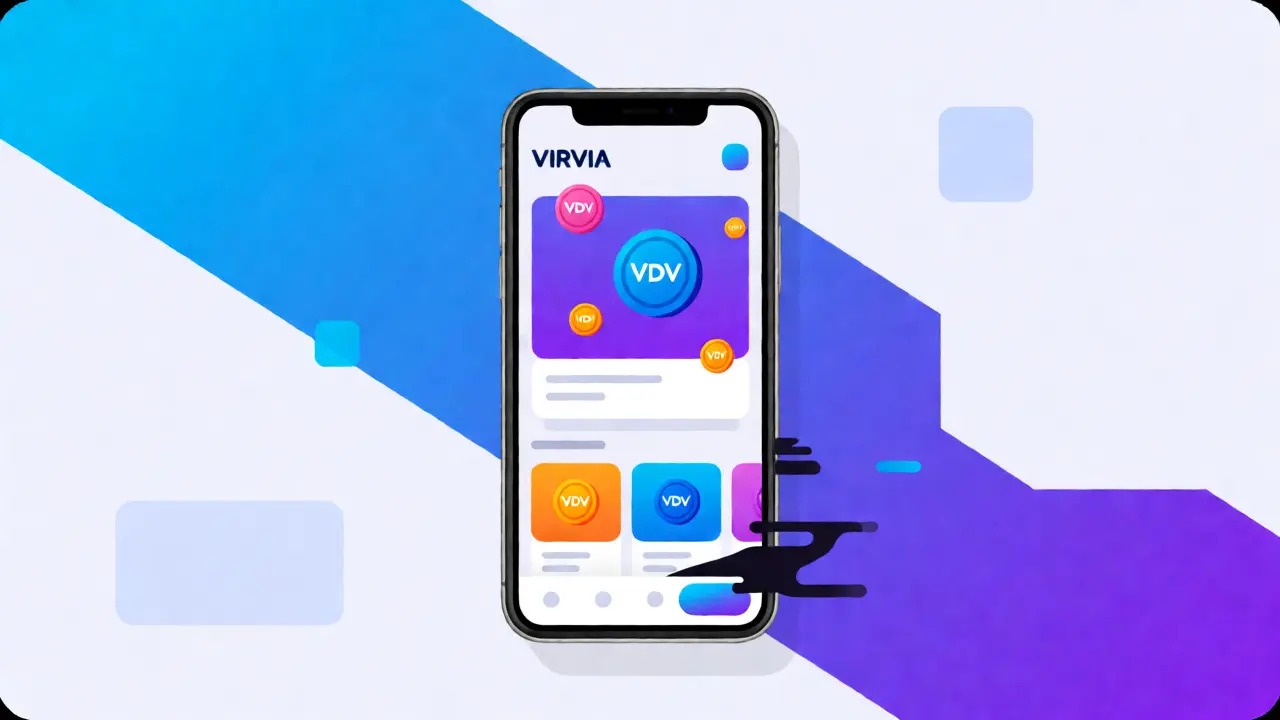
You see an ad for VIRVIA online shopping platform offering free VDV tokens. It looks legit. The website has nice graphics. They promise you can earn cryptocurrency just by browsing products or connecting your wallet. But before you click "Connect Wallet," pause. There is a high probability that this specific operation is a trap designed to drain your funds.
The crypto space moves fast. New projects pop up every day. While many are legitimate, the volume of fraudulent schemes is rising. In 2025, scammers shifted tactics. They moved away from complex DeFi protocols and started mimicking everyday retail experiences. This makes it harder for regular users to spot the difference between a real loyalty program and a phishing attack. If you are researching the VIRVIA airdrop, you need to know exactly what you are dealing with. Spoiler: the data suggests it’s not worth your time or your private keys.
What Is the VIRVIA Airdrop Claim?
The core pitch of VIRVIA ONLINE SHOPPING is simple. They claim to be an e-commerce platform where users earn VDV tokens through shopping activities. The idea is that traditional retailers keep all the profit, but VIRVIA shares it back with customers via blockchain rewards. Sounds fair, right? That’s the hook.
However, when we dig into the technical details, things fall apart. Legitimate crypto projects usually have a public roadmap, active developer commits on GitHub, and transparent funding rounds. VIRVIA lacks these fundamental pillars. According to blockchain analytics firm Nansen, there is no credible evidence of developer activity or community growth metrics associated with any project using the VIRVIA name as of late 2025. Without code, there is no product. Without a product, there is no reason for a token to exist.
The term "airdrop" itself is often misused in these scenarios. Real airdrops typically reward early adopters who interacted with a testnet or provided liquidity. VIRVIA seems to demand upfront engagement-often asking users to connect wallets or even send small amounts of ETH to "verify" their address-before promising any reward. This reverses the standard logic of free distribution.
Why Experts Flag VIRVIA as High-Risk
Security firms don’t guess; they analyze patterns. When experts look at VIRVIA, they see a cluster of red flags that match known scam templates. Let’s break down why organizations like CertiK and Halborn view this operation with deep suspicion.
- No On-Chain Presence: Etherscan and Solscan show zero contract deployments for a token named "VDV" linked to a verified VIRVIA entity. If the token doesn’t exist on major blockchains, how can it be distributed?
- Domain Instability: WHOIS records indicate that the domain virvia.online was registered recently, specifically around September 2025. Furthermore, reports suggest the operators migrated from virvia.shop to virvia.online after facing takedown requests. Frequent domain changes are a classic sign of a cat-and-mouse game with security teams.
- Cloned Infrastructure: Technical analysis reveals the website uses cloned Shopify templates. The JavaScript isn’t built for custom e-commerce functionality; it’s modified specifically to harvest wallet credentials when you attempt to "claim" your tokens.
Marc Kenneth, CEO of blockchain security firm Halborn, noted in a recent interview that VIRVIA exhibits all twelve red flags used to identify fake airdrop scams. The most critical one? The promise of guaranteed tokens for minimal effort. Real markets don’t guarantee returns. Scams do.
The Rise of Shopping Platform Scams
You might wonder, "Why shopping platforms?" Because everyone shops. Crypto natives understand DeFi risks. But your average internet user trusts online stores. Scammers exploit this trust. Chainalysis reported that fake e-commerce airdrops represented 31% of all airdrop-related fraud in mid-2025. The average victim lost $785. These scams often use domains ending in .online or .shop to mimic legitimate retailers.
The Federal Trade Commission issued a consumer alert in September 2025 warning specifically about "shopping platform token airdrops." They listed VIRVIA among current high-risk operations. This isn’t just crypto Twitter chatter; it’s regulatory attention. When government bodies start issuing alerts, it means the problem has reached mainstream awareness.
| Feature | Legitimate Project (e.g., Monad) | VIRVIA Pattern |
|---|---|---|
| Token Contract | Verified on Etherscan/Solscan | Not found or unverified |
| Developer Activity | Active GitHub commits | No public code repository |
| Cost to Participate | Gas fees only (usually low) | Requests for deposits or seed phrases |
| Funding Source | Public VC rounds | Unknown/Private |
How the Scam Typically Works
If you decide to try VIRVIA anyway, here is what usually happens. First, you visit the site. It looks professional. You create an account. Then, you’re prompted to connect your crypto wallet. This is step one. Connecting a wallet is generally safe if you only view balances. But VIRVIA goes further.
They ask you to sign a transaction to "register" or "verify" your eligibility. This signature often grants unlimited spending permissions to a smart contract controlled by the scammers. Once signed, they can drain approved tokens from your wallet without further permission. Some versions of this scam even ask for your seed phrase directly-a massive error by the user, but the interface is designed to confuse you into thinking it’s necessary.
Reddit’s r/CryptoAirdrops community documented 142 similar fake shopping platform scams in Q3 2025 alone. Users reported losing an average of $850. The pattern is consistent: hype first, technical opacity second, fund extraction third.
Verifying Before You Click
Don’t rely on the website’s design. Design costs money; trust costs time. Here is a quick checklist to verify any new airdrop opportunity before you connect your main wallet.
- Check the Contract Address: Copy the token contract address from the site. Paste it into Etherscan (for Ethereum) or Solscan (for Solana). Does the contract exist? Is the creator verified? For VIRVIA, searches yield no credible matches.
- Look for Social Proof: Check the official Twitter/X account. Are followers real people or bots? Look at the comments. Are users discussing the tech, or just spamming emojis? VIRVIA’s social presence lacks organic engagement typical of growing projects.
- Audit the Domain Age: Use a WHOIS lookup tool. If the domain is less than six months old and uses privacy protection, proceed with extreme caution. VIRVIA’s domain registration aligns with short-term scam lifecycles.
- Search for Independent Reviews: Don’t trust testimonials on the site itself. Search "VIRVIA scam" or check forums like Reddit. If independent voices are silent or negative, listen to them.
Remember, if a deal sounds too good to be true-like getting free tokens for doing nothing-it almost always is. The market pays for value, not just participation.
What To Do If You Connected Your Wallet
If you already connected your wallet to VIRVIA, don’t panic. Take immediate action to secure your remaining assets.
- Revoke Permissions: Go to a tool like Revoke.cash or Etherscan’s Token Approval page. Find the VIRVIA-related contracts and revoke any allowances. This stops them from moving your tokens.
- Move Funds: If you suspect malicious access, move your primary assets to a fresh, untouched wallet address. Treat the old address as compromised.
- Report It: File a complaint with the FTC or relevant local authority. Also, report the URL to your browser provider and crypto security extensions like MetaMask or Phantom. This helps flag the site for other users.
Blockchain forensics firm Elliptic reported that VIRVIA-linked wallets had already laundered approximately 18.7 ETH through Tornado Cash. This mixing service obscures the trail, making recovery difficult. Prevention is far easier than cure.
The Future of Crypto Airdrops
Despite the noise from scams like VIRVIA, the legitimate airdrop ecosystem remains healthy. Projects like Monad and Hyperliquid continue to reward genuine users. The key difference is transparency. Legit projects publish their tokenomics clearly. They explain why the airdrop exists-to decentralize governance or bootstrap liquidity-not just to grab headlines.
As we move through 2026, expect stricter regulations and better tools for detecting fraud. AI-driven security audits are becoming standard. But until those tools are perfect, your best defense is skepticism. Always assume a new, unknown project is guilty until proven innocent.
Is VIRVIA a confirmed scam?
While no court has issued a final verdict yet, multiple security firms including CertiK and Halborn classify VIRVIA as a high-risk or confirmed scam operation due to lack of technical substance, anonymous team, and suspicious wallet behaviors.
Can I still get my VDV tokens?
Most likely not. Since there is no verifiable token contract on major blockchains and the project lacks development history, the promised VDV tokens may never be distributed. Many users report receiving no tokens despite completing required tasks.
Did VIRVIA steal my money if I just connected my wallet?
Connecting a wallet alone does not allow anyone to take your funds. However, if you signed a transaction granting "unlimited approval" or sent a deposit, your funds are at risk. Check your transaction history immediately and revoke permissions if necessary.
Where can I find legitimate airdrops?
Stick to established aggregators like CoinGecko, airdrops.io, or DappRadar. Look for projects with venture capital backing, active GitHub repositories, and clear whitepapers. Avoid opportunities that require upfront payments to participate.
Why did VIRVIA change its domain name?
Reports indicate VIRVIA migrated from virvia.shop to virvia.online following security takedowns. Changing domains is a common tactic used by scam operations to evade blacklists and continue collecting victims under a fresh appearance.