
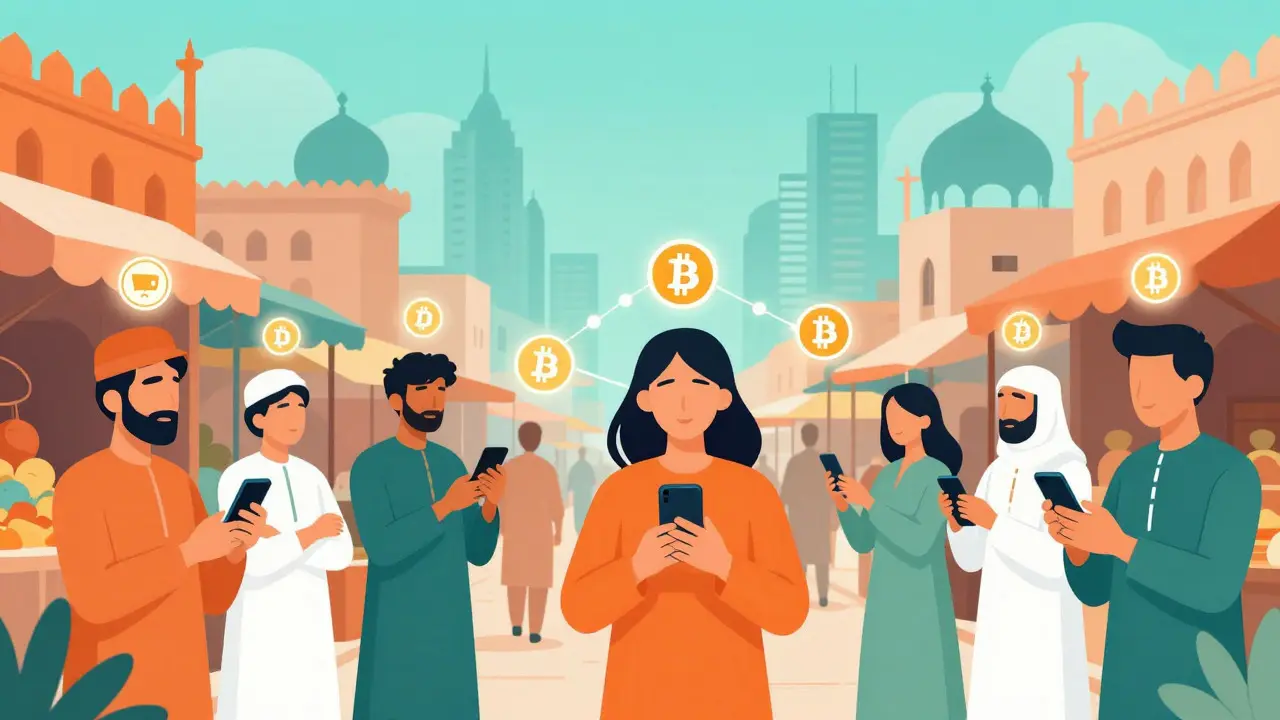
Imagine a country where the government technically discourages you from using digital currency, yet millions of people use it every single day to pay for groceries, send money home, and survive inflation. This isn’t a dystopian novel; it is the reality in Pakistan, a nation with over 255 million people facing significant economic headwinds. As of mid-2026, estimates suggest that between 20 and 27 million Pakistanis are actively engaged with cryptocurrency, decentralized digital assets like Bitcoin and USDT used for value transfer and storage. That number is staggering. It places Pakistan firmly in the top tier of global crypto adoption, rivaling nations with far more favorable regulatory environments.
You might wonder how this is possible. The short answer is necessity. When your local currency loses value faster than you can spend it, and when sending money abroad costs a fortune in fees and delays, people find a way. For Pakistanis, crypto isn't just about speculation or getting rich quick. It is a survival tool. It is a lifeline for freelancers earning in dollars while living in rupees. It is a hedge against an economy that feels increasingly unstable. But this massive adoption comes with a catch: operating in a legal gray area that could change at any moment.
The Numbers Behind the Boom
To understand the scale of this phenomenon, we need to look at the data. In 2025 alone, Pakistan added approximately 5.4 million new verified cryptocurrency users. This surge brought the confirmed user count on major exchanges to around 18.2 million. However, these numbers only tell part of the story. Industry analysts believe the actual number of holders-including those using peer-to-peer (P2P) platforms and offline wallets-is closer to 40 million. The 20-27 million figure represents the active core: people who trade regularly, hold assets, or use crypto for daily transactions.
This growth is not accidental. It reflects a broader trend in emerging markets where traditional financial systems fail to meet the needs of the population. While India leads the region with nearly 97.5 million users, Pakistan’s adoption rate of roughly 4.1% to 10% of its population is remarkable given lower internet penetration rates. Unlike in developed nations where crypto is often a hobbyist investment, in Pakistan, it is deeply integrated into the economic fabric of everyday life.
| Country | Estimated Users | % of Population | Primary Driver |
|---|---|---|---|
| India | 97.5 Million | 7.1% | Investment & Tech Ecosystem |
| Pakistan | 20-27 Million | 4.1% - 10% | Inflation Hedge & Remittances |
| Vietnam | 15 Million+ | 15%+ | Gaming & Trading |
Why Pakistanis Turn to Crypto
If you ask a freelancer in Lahore or a trader in Karachi why they use crypto, you won't hear much about blockchain ideology. You will hear about practical problems. The primary driver is the instability of the Pakistani Rupee (PKR), the official currency of Pakistan which has experienced significant depreciation against the US Dollar. High inflation erodes savings rapidly. Holding cash means losing purchasing power every month. Cryptocurrencies like Bitcoin, the first and largest decentralized cryptocurrency by market capitalization and stablecoins like USDT (Tether), a cryptocurrency pegged to the value of the US Dollar offer a way to preserve wealth.
Secondly, there is the issue of cross-border payments. Pakistan has a massive freelance workforce. Millions of young professionals work remotely for international clients. Receiving payments through traditional banking channels is slow, expensive, and often blocked due to strict foreign exchange controls. Crypto provides a direct, low-cost pipeline for these earnings. A freelancer can receive payment in USDT within minutes, convert it to PKR via P2P markets, and access their funds without waiting weeks for bank clearances.
Remittances play a crucial role as well. With millions of Pakistanis working abroad, sending money home is a vital economic activity. Traditional remittance services charge high fees and offer poor exchange rates. Crypto allows families to transfer value across borders almost instantly and for a fraction of the cost. This utility creates a sticky user base-people don't stop using crypto because it works better for their specific needs than the alternatives.

The Regulatory Gray Zone
Here is where things get complicated. Technically, cryptocurrency is not illegal in Pakistan, but it is not fully regulated either. The State Bank of Pakistan (SBP), the central bank of Pakistan responsible for monetary policy and currency issuance has historically taken a cautious stance. In 2022, there were serious discussions about banning crypto entirely. Banks were instructed to freeze accounts linked to crypto exchanges. Websites were blocked. Yet, despite these hurdles, adoption didn't crash-it adapted.
The government's approach has been contradictory. On one hand, they warn citizens about the risks. On the other, they are developing their own Central Bank Digital Currency (CBDC), a digital form of fiat currency issued and controlled by a national central bank. The SBP announced plans to launch a CBDC by 2025, signaling that they recognize the inevitability of digital payments. This suggests a potential future where private cryptocurrencies might be tolerated if they don't threaten the stability of the state-backed digital rupee.
For the average user, this uncertainty is a constant background noise. They know the rules could change tomorrow. But until a clear framework emerges, they continue to use the tools that keep them financially afloat. The lack of regulation hasn't stopped adoption; it has simply pushed it underground and into the hands of tech-savvy intermediaries.
How People Actually Trade: The Rise of P2P
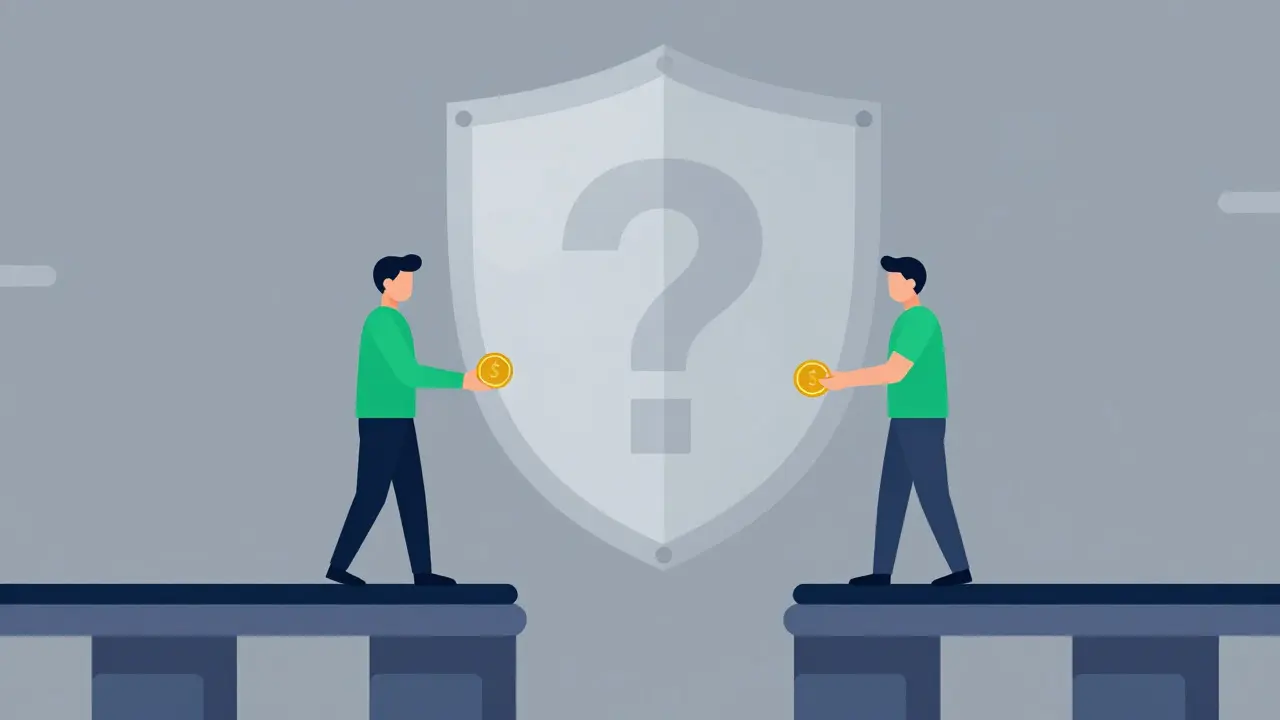
Since direct bank transfers to crypto exchanges are often difficult, most Pakistanis rely on Peer-to-Peer (P2P) trading platforms. Services like Binance P2P, Bybit, and local platforms allow users to buy and sell crypto directly with each other. One person sells USDT for PKR, transferring the rupees to the buyer's bank account or mobile wallet (like JazzCash or EasyPaisa), while the platform holds the crypto in escrow until the payment is confirmed.
This system bypasses many of the banking restrictions. It is flexible, fast, and accessible to anyone with a smartphone and a bank account. However, it also carries risks. Scams exist. Counterparties can dispute transactions. And because these trades happen outside the formal banking oversight, users must be vigilant. Education is key. Online communities, Telegram groups, and YouTube tutorials have become essential resources for new users learning how to navigate P2P markets safely.
Infrastructure Challenges
Adoption doesn't happen in a vacuum. It requires infrastructure. Pakistan faces significant challenges here. Only about 45.7% of the population has reliable high-speed internet access. Rural areas are particularly underserved. This digital divide means that crypto adoption is heavily concentrated in urban centers like Karachi, Lahore, and Islamabad. If you live in a remote village with spotty connectivity, accessing crypto markets is difficult, if not impossible.
Furthermore, customer support from global exchanges is often lacking for Pakistani users. Language barriers and time zone differences can make resolving issues frustrating. Local educational initiatives are stepping up to fill this gap, but there is still a long way to go before crypto becomes truly mainstream across all demographics.
What Does the Future Hold?
The trajectory is clear: growth. Projections indicate that the number of crypto users in Pakistan could exceed 27 million by the end of 2025, with industry revenue reaching $1.6 billion. The drivers-economic instability, freelance income, and remittance needs-are structural. They aren't going away anytime soon. Unless the economy stabilizes significantly and traditional banking becomes more efficient and affordable, crypto will remain a critical alternative.
The biggest variable is regulation. If the government decides to embrace crypto with clear laws, taxes, and protections, adoption could skyrocket even further. If they choose to crack down harder, blocking P2P platforms and restricting internet access, usage might shrink but likely won't disappear. History shows that when people need a solution, they find it. The question is whether the government will try to control that solution or coexist with it.
Is cryptocurrency legal in Pakistan?
Cryptocurrency exists in a legal gray area in Pakistan. It is not explicitly banned, but it is not officially recognized as legal tender. The State Bank of Pakistan has discouraged its use and previously ordered banks to restrict transactions related to crypto exchanges. However, no criminal penalties currently exist for holding or trading crypto, though regulatory clarity is still pending.
How do Pakistanis buy crypto if banks block exchanges?
Most users utilize Peer-to-Peer (P2P) trading platforms like Binance P2P or Bybit. These platforms allow users to buy crypto directly from other individuals using local payment methods such as bank transfers, JazzCash, or EasyPaisa. The platform acts as an escrow service to ensure safety during the transaction.
Why is crypto adoption so high in Pakistan?
High adoption is driven by economic necessity. Factors include high inflation eroding the value of the Pakistani Rupee, the need for efficient cross-border payments for freelancers, and cheaper remittance options for families receiving money from abroad. Crypto serves as a hedge against financial instability.