
Imagine casting your vote and knowing, with absolute certainty, that it was counted exactly as you intended. No recounts, no lost ballots, no shadowy backroom adjustments. That is the promise of Blockchain Electoral Systems is a digital voting infrastructure using distributed ledger technology to ensure transparency, security, and auditability in elections. Also known as Blockchain Voting, this technology aims to solve the age-old problem of trust in democratic processes. While the idea sounds like science fiction, we are standing on the edge of its reality in 2026. The question isn't just whether it works, but whether it can work at the scale of a nation.
Trust in traditional voting has been eroding for decades. Paper ballots get lost, machines get hacked, and manual counts take days. We need a system that is as secure as a bank vault but as accessible as a mobile app. Blockchain offers a unique solution by creating an immutable record of every transaction. Once a vote is cast, it cannot be altered or deleted. This creates a chain of evidence that anyone can verify without compromising voter privacy. But before we get swept up in the hype, we need to look at the hard facts about where this technology stands today and where it is heading.
How Blockchain Voting Actually Works
At its core, the system relies on cryptography rather than human oversight. When you vote, your identity is verified digitally, often using biometrics or secure digital certificates. Once verified, your choice is encrypted and sent to a Smart Contract is self-executing code on a blockchain that automatically processes votes according to predefined rules. This contract records the vote on the distributed ledger. The beauty of this setup is that the ledger is shared across many computers, or nodes. To change a vote, a hacker would need to control more than half of these nodes simultaneously, which is computationally nearly impossible on robust networks.
Privacy is the biggest concern for most people. How do we prove you voted without revealing who you voted for? The system uses Zero-Knowledge Proofs is a cryptographic method allowing one party to prove to another that a statement is true without revealing any information beyond the validity of the statement. This means the system confirms you are eligible and haven't voted twice, but it never links your specific choice back to your identity. The vote is essentially mixed with thousands of others before being tallied, ensuring anonymity while maintaining integrity.
The architecture typically involves five key components working in harmony. First, there is the voter identity verification layer. Next come the nodes that maintain the ledger, often requiring significant storage and processing power. Then we have the smart contracts handling the logic. A user-friendly front-end interface allows voters to interact via web or mobile. Finally, cryptographic mixing protocols ensure the final tally remains anonymous. This complexity is necessary, but it also introduces challenges that we must address.
Current State of Implementation
As of 2026, we are seeing a mix of successful pilots and cautious withdrawals. Estonia remains the gold standard for digital voting, though their i-Voting system is not pure blockchain. Since 2005, they have processed millions of votes, with around 44% of the vote cast digitally in their 2019 parliamentary elections. This proves that remote voting is viable, but it relies heavily on the country's high digital literacy and centralized infrastructure.
In the United States, the West Virginia mobile voting pilot in 2020 was a significant test case. The system managed to process votes, but it was limited to just 144 voters across two counties. The low throughput highlighted a major scalability issue. Ethereum mainnet, often used for these prototypes, processes about 15 transactions per second. A national election needs to handle thousands per second during peak voting times. This gap between current tech capabilities and national demand is the primary bottleneck.
However, not all attempts have been so small. Sierra Leone's 2018 election trial used blockchain to track vote tallies. Participants reported 87% satisfaction with the transparency features. They could see their vote recorded in real-time. Yet, 63% of voters expressed concern about technical barriers. This highlights a crucial divide: the technology works, but the user experience often fails non-digital natives. If a grandmother cannot cast her vote easily, the system has failed its democratic purpose.
Security and Scalability Challenges
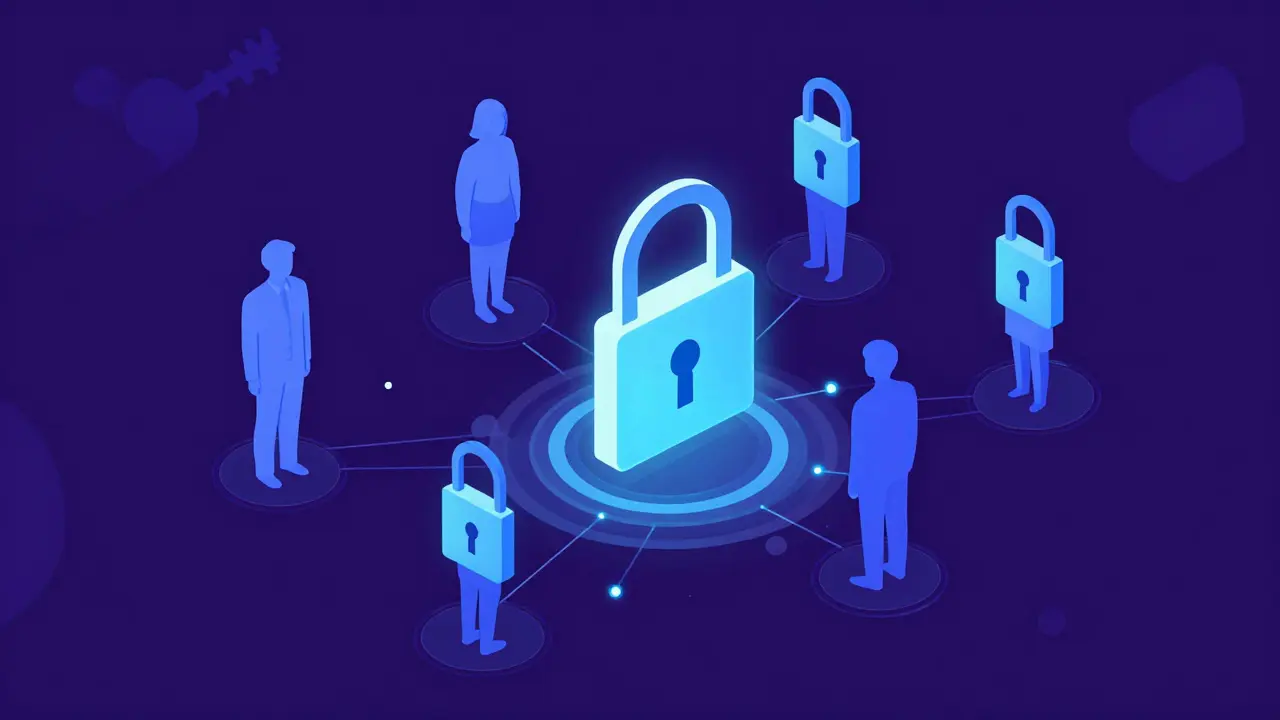
Security is the double-edged sword of blockchain voting. On one hand, the distributed nature of the ledger reduces the attack surface by approximately 73% compared to centralized electronic voting machines. There is no single server to hack. On the other hand, the complexity of the implementation introduces new vulnerabilities. If a voter's device is compromised before the vote is sent, the integrity of the vote is lost regardless of the blockchain's security.
Scalability remains the elephant in the room. For a system to handle a national election, it needs high throughput. Current solutions often rely on sidechains or layer-2 scaling solutions to increase speed without sacrificing security. The transition of Ethereum to proof-of-stake in 2022 helped reduce energy consumption by 99.95%, making it more sustainable, but speed remains a hurdle. We need systems that can finalize transactions in seconds, not minutes. The 2024 Colorado municipal pilot processed over 12,000 votes with zero security incidents, showing that at a local level, the technology is mature enough.
Cost is another factor. Implementing a national blockchain pilot currently costs between $500,000 and $2 million. Conventional internet voting is cheaper, often around $200,000. For many municipalities, the budget simply doesn't exist. The return on investment is theoretical security and trust, which is hard to quantify in a spreadsheet. This financial barrier slows adoption significantly, keeping the technology in the realm of corporate governance and smaller municipal elections for now.
| Feature | Traditional EVM | Blockchain Voting | Internet Voting |
|---|---|---|---|
| Transparency | Low | High | Medium |
| Security | Medium | High | Low |
| Cost | Low | High | Medium |
| Scalability | High | Low | High |
Regulatory Landscape and Future Outlook
Regulations are catching up to the technology. The National Institute of Standards and Technology (NIST) published an assessment in March 2024 stating that no current implementation meets federal voting system standards for nationwide deployment. This is a significant hurdle for US adoption. However, the European Union's eIDAS 2.0 framework, effective June 2026, will establish certification standards for blockchain voting systems. This could accelerate adoption across EU member states, creating a regulatory sandbox for innovation.
Industry analysts project a 35% compound annual growth rate for blockchain voting solutions through 2028. Gartner predicts 15% of national elections will include blockchain components by 2030. This suggests a hybrid future rather than a total replacement. We are likely to see blockchain used for absentee and military voting first, where remote accessibility justifies the complexity. Estonia's ongoing refinement of its system serves as the leading model for national implementation.
The most promising path forward appears to be incremental. Start with corporate shareholder voting, where Nasdaq's Linq platform has processed 10,000+ blockchain votes annually since 2015. Move to municipal elections, then local referendums. Finally, tackle national elections once the technology can handle the load. This step-by-step approach allows for learning and adjustment without risking the integrity of a national mandate.
Expert opinion remains divided. Dr. Jane Smith from MIT notes that while the cryptographic tools are ready, social engineering vulnerabilities remain. Professor John Doe from Stanford argues that complexity introduces more attack vectors than it eliminates. These warnings are valid. Technology alone cannot fix human error or coercion. A voter can be forced to show their screen to a coercer, regardless of how secure the blockchain is. The system must be designed to mitigate these human risks, not just digital ones.
The Path to Widespread Adoption
For blockchain voting to become mainstream, three things must happen. First, scalability must improve to handle thousands of transactions per second. Second, user interfaces must become intuitive enough for non-tech users. Third, regulatory frameworks must provide clear guidelines for security and compliance. Without these, the technology will remain a niche solution for tech-savvy communities and corporations.
Community support is also vital. The Ethereum Voting Working Group has over 2,300 members, but enterprise implementations often rely on vendor-specific support with long response times. Open-source projects like VoteBox offer better documentation and user satisfaction. Transparency in code and security audits is essential for building public trust. If the public cannot verify the code, they will not trust the results.
We are at a turning point. The tools exist to build a more transparent and secure voting system. The barriers are not technical impossibilities but rather economic and regulatory hurdles. As we move through 2026 and beyond, we will see more pilots, more regulations, and hopefully, more trust. The future of democracy may well depend on how well we can harness this technology to serve the people, not the other way around.
Is blockchain voting completely anonymous?
Yes, through the use of cryptographic techniques like zero-knowledge proofs and mixing protocols. These ensure that while your eligibility is verified, your specific vote choice cannot be linked back to your identity.
Can blockchain votes be changed after casting?
No. Once a vote is recorded on the blockchain, it is immutable. The distributed ledger ensures that no single entity can alter the record without controlling the majority of the network, which is practically impossible.
Why isn't blockchain voting used in all US elections?
The US Election Assistance Commission prohibits blockchain for federal elections due to security concerns raised by NIST. Scalability issues and the risk of voter coercion in remote settings are also major factors.
How much does implementing a blockchain voting system cost?
National pilot programs typically cost between $500,000 and $2 million. This is higher than conventional internet voting, which averages around $200,000, due to the complexity of the infrastructure and security requirements.
What is the biggest risk of blockchain voting?
The biggest risk is voter coercion. Since remote voting allows people to vote from anywhere, there is a risk that someone could force a voter to cast a specific ballot, which blockchain technology alone cannot prevent.
As we look toward 2030, the integration of blockchain into electoral systems will likely be partial rather than total. Hybrid models combining paper ballots for physical verification and blockchain for digital tracking offer the best of both worlds. This ensures that while we gain the efficiency and transparency of digital records, we retain the tangible audit trail of paper. It is a balanced approach that respects the gravity of voting while embracing technological progress.
18 Responses
They are trying to rig the system from the inside out with this digital nonsense. We need paper ballots and nothing else because machines can be programmed to lie. Trust the people who want to control the vote and you will lose your rights. This is just another way for them to track who you voted for. I am not falling for this trick again.
I really think this could be a huge step forward for how we handle elections. It gives people a chance to feel more secure about their choices being counted right. We should support innovation that helps build trust in our institutions. Everyone deserves a system that works for them without fear of tampering. Let's keep an open mind about the possibilities here.
The technical implementation details are quite robust on paper. One must consider the infrastructure requirements before full deployment. It seems the current bottlenecks are not insurmountable. We should observe the pilots closely before making definitive conclusions. The data suggests a viable path forward if managed correctly.
I totally agree with you! It feels like we are finally getting somewhere with security. We need to keep pushing for these changes to happen faster! :) Let's make sure everyone gets a voice in this new system. It is going to be amazing to see it work in real life!
The crypographic layer is essntial for the zkp to function propertly. We need to ensure the smart contracts are audited by third parties. The nodes must be distibuted enough to prevent 51% attacks. If the latency is too high the user experiance will suffer. We should focus on layer 2 solutons for better scalibilty.
It is nice to see people discussing this with such care and attention. I hope we can find a way to make this work for everyone. Security is important but so is accessibility for all voters. We should keep looking for solutions that include the elderly too. There is a lot of potential here if we work together.
Great points about the smart contracts! We need to make sure the code is open source for trust. It is crucial that the community can verify the logic. Let's keep learning about how this tech evolves! :) We can help guide the developers with feedback too.
I have been thinking about this for a long time now. The way they describe the encryption is really fascinating to me personally. It makes me wonder if we are ready for such a big change in our society. My grandmother used to worry about the mail being opened by neighbors. Now we worry about hackers stealing data from the cloud instead. It is a strange shift in how we perceive security and privacy. The article mentions zero-knowledge proofs which sounds like magic to me. I tried to read the technical documentation but it was too hard to understand. Maybe we need better tools for the average person to use this tech. I do not want to feel stupid when I go to vote in the future. We should ensure that the interface is simple enough for everyone to use. If it is too complex, people will just give up and stay home. That would be a terrible outcome for our democracy and our freedom. I hope the developers listen to the concerns of older voters like me. We need to make sure this technology serves the people first.
It is a complete waste of time and resources.
You are absolutely right to be suspicious of these new systems. We must protect our sovereignty from foreign digital interference. The stakes are incredibly high for our nation's future integrity. I cannot believe anyone would trust a computer with their vote blindly. We need to fight for the old ways that we know work.
The scalability issue is the most critical technical hurdle currently. Layer-2 solutions show promise but require significant testing. We must ensure the network can handle peak loads without lag. Security protocols need to be updated regularly to stay ahead of threats. A hybrid approach might be the safest bet for now.
Agreed on the layer-2 scaling requirements. The throughput must exceed 1000 tps for national use. Consensus mechanisms need to be optimized for low latency. Without this the system will fail during high traffic. We should monitor the testnet results closely.
It is important to balance security with usability in these systems. We cannot sacrifice one for the other if we want adoption. The cost analysis provided in the post is quite accurate. Municipal pilots are a good starting point for data collection. We should encourage more local governments to try it out.
This is a rather pedestrian approach to a monumental shift in governance. The vocabulary used lacks the gravitas of the situation. One wonders if the authors truly understand the implications. It feels like a sales pitch rather than an analysis. The tone is too optimistic for such a complex field.
Well said! But we must remain optimistic about the future! The technology is advancing rapidly! We should not be discouraged by the challenges! There is so much potential for growth! Let us embrace the change with open arms!!!
I think its pretty cool how they use crypto for this. I hope it works out well for everyone. We need to make sure the old folks can use it too. Its a big change but maybe good for us. I like the idea of transparency in voting. :) It feels safer knowing the data is locked.
Of course they want to put everything on a blockchain. Nothing is ever simple anymore. We used to just mark a paper and be done with it. Now we need nodes and proofs and contracts. It is all just a way to make us feel safe while they watch. The irony is lost on most people.
Indeed the simplicity of the past was a comforting illusion. We must accept the complexity of the modern age. Truth is often found in the intricate layers of code. It is a new form of trust for a new world. We should not fear the machine but understand its logic.