
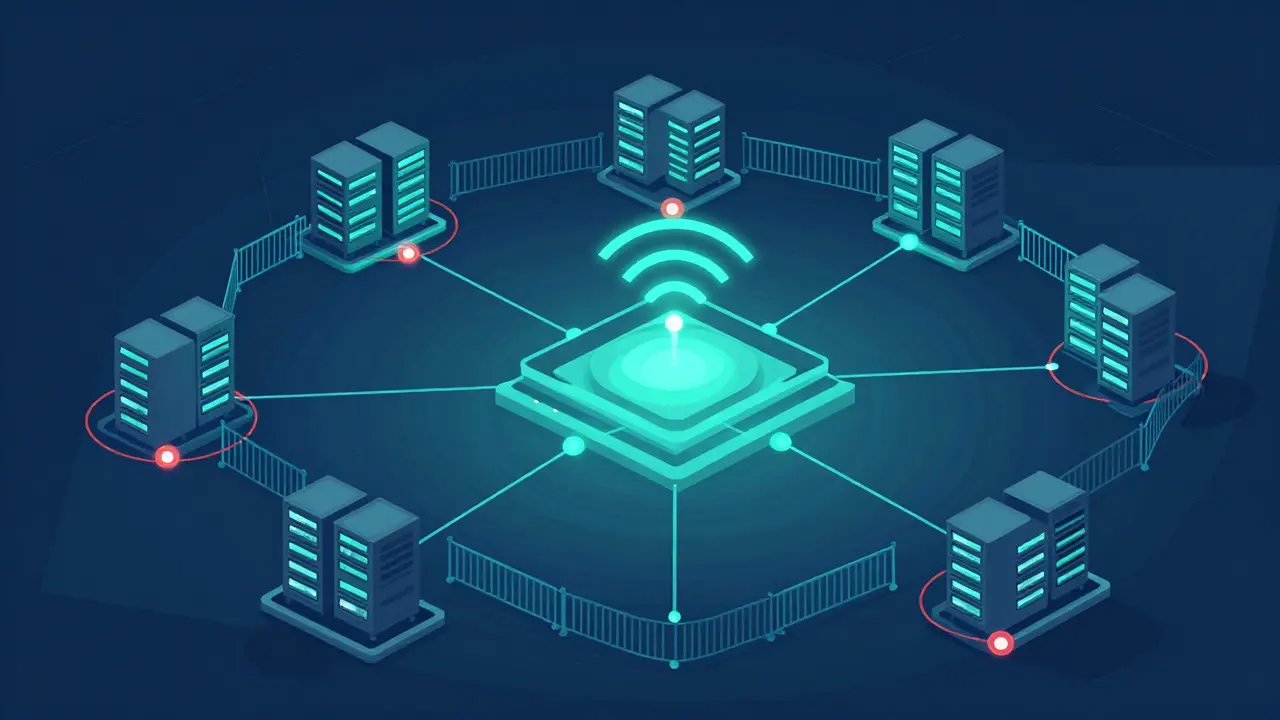
In September 2024, something dramatic happened in the world of cryptocurrency enforcement that caught everyone off guard. German authorities executed one of the most coordinated takedowns in crypto enforcement history, seizing 47 cryptocurrency exchanges simultaneously while publicly declaring they had stolen user data including transaction records, IP addresses, and registration information. The message sent directly to users was chillingly specific: 'We have found their servers and seized them - development servers, production servers, backup servers.'
What Was Operation Final Exchange?
Operation Final Exchange represents a landmark cryptocurrency enforcement action conducted by Germany's Federal Criminal Police. On September 19, 2024, the Bundeskriminalamt (BKA), known internationally as Germany's FBI-equivalent, targeted 47 Russian-language no-KYC cryptocurrency exchanges operating across multiple jurisdictions.
The operation stands out because it went beyond typical exchange shutdowns. Unlike previous enforcement actions where operators could migrate to backup systems, German authorities seized everything at once: development servers, production environments, and complete backup infrastructure. This comprehensive approach prevented criminals from simply rebooting operations from hidden servers elsewhere.
| Attribute | Details |
|---|---|
| Launch Date | September 19, 2024 |
| Target Count | 47 exchanges |
| Data Seized | Over 8 terabytes |
| Primary Language | Russian |
| Lead Agency | Bundeskriminalamt (BKA) |
The Targeted Exchanges Explained
The exchanges targeted weren't your typical platforms like Binance or Coinbase. These were no-KYC cryptocurrency exchanges that operated without requiring any customer identification verification. Users didn't need to provide names, phone numbers, email addresses, or government ID to use these services.
This anonymity feature made them attractive to criminals but also created major compliance violations. The exchanges specifically catered to Russian-speaking users and provided direct fiat currency connections to sanctioned Russian banks. By offering instant-swap style services without Know Your Customer checks, they systematically enabled sanctions circumvention and money laundering activities.
These platforms became critical infrastructure for various illicit activities:
- Cryptocurrency proceeds from ransomware attacks needed laundering before conversion
- Darknet marketplace drug dealers required anonymous cash-out options
- Sanctions evaders bypassed financial restrictions on Russia
- Botnet operators monetized stolen credentials through clean channels
The absence of traditional compliance controls meant criminal networks could move billions in value without leaving obvious paper trails in conventional banking systems. Instead, blockchain transactions appeared legitimate while the underlying funds originated from criminal enterprises.
Technical Execution and Data Seizure
Chainalysis, a leading blockchain analytics firm, characterized the operation as highlighting the central role instant-swap style no-KYC exchanges play in facilitating on-chain cybercrime.
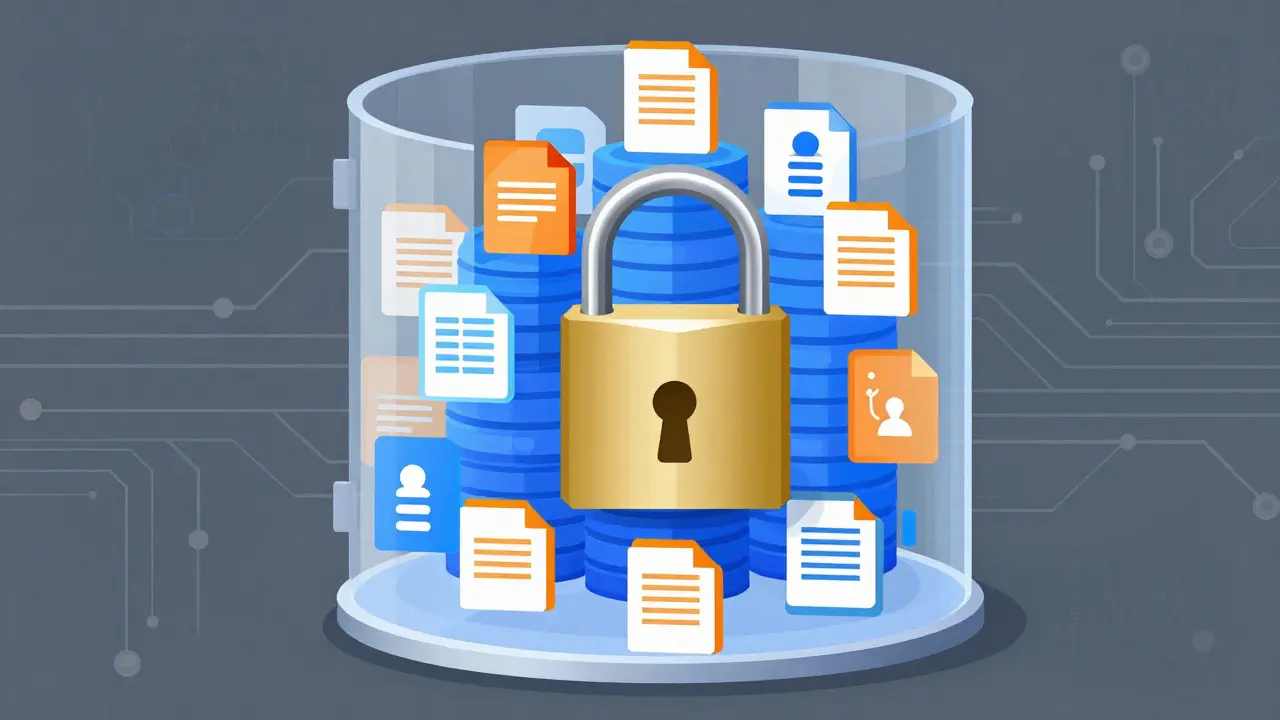
German authorities secured over 8 terabytes of critical operational data during the raid. This wasn't just public blockchain information-it included private databases containing:
- User registration information with device fingerprints
- Complete transaction histories showing sender/receiver relationships
- IP address logs revealing geographic location patterns
- Operational communications between platform staff
- Backup keys enabling access to historical data
The coordination required exceptional technical expertise. Authorities needed to understand cryptocurrency mixing technologies, trace fund flows across multiple blockchains, and identify which servers held active versus archived data. Intelligence gathering typically requires months of preparation involving infiltration of criminal networks and comprehensive mapping of exchange infrastructure.
Luckily for investigators, the targets left themselves vulnerable. Many no-KYC operators assumed jurisdictional protection would shield them from European law enforcement. They underestimated international cooperation capabilities and failed to implement adequate security for their own infrastructure backups.
Impact on Users and Communities
User communities across cryptocurrency forums expressed genuinely mixed reactions following the announcement. On Reddit's r/cryptocurrency forum, discussions revealed significant concern about expanded surveillance capabilities. Privacy-focused users worried legitimate users seeking financial privacy might face prosecution based on seized transaction data.
However, compliance-focused users on platforms like BitcoinTalk, a long-standing community for cryptocurrency enthusiasts generally supported the enforcement action. They viewed it as necessary for cryptocurrency legitimacy and mainstream adoption.
Darknet market participants reported substantial operational disruptions. Multiple vendors confirmed inability to access previously reliable laundering services after September 2024. Russian-language cryptocurrency communities documented widespread panic among users who had utilized the seized exchanges, with many reporting fears about potential prosecution.
| Community Type | Reaction | Platform |
|---|---|---|
| Privacy Advocates | Concerned | r/cryptocurrency |
| Compliance Supporters | Positive | BitcoinTalk |
| Darknet Vendors | Negative | Specialized Forums |
| Russian Users | Panicked | Telegram Channels |
Trust scores for privacy-focused exchanges on platforms like CoinGecko showed measurable decreases following the operation's announcement. This indicates lasting behavioral changes even among users who hadn't been directly affected by the seizure.
Comparison With Previous Enforcements
Operation Final Exchange demonstrates superior effectiveness compared to earlier cryptocurrency enforcement actions through its comprehensive multi-server seizure approach. Let's compare it with the notable ChipMixer seizure that involved laundering approximately €90 million in cryptocurrency.
The key differences include timing precision and scope breadth. Traditional exchange shutdowns often allow operators time to migrate to new infrastructure before complete takedown. Final Exchange's simultaneous targeting of all backup and development systems prevented rapid service restoration.
Legal analysts from Duane Morris emphasized the operation's dual focus on both financial crimes and sanctions enforcement, representing evolved enforcement priorities addressing geopolitical concerns alongside traditional criminal activity. Security researchers highlighted the operation's demonstration of advanced tracking capabilities across cryptocurrency networks, showing law enforcement's growing technical sophistication in blockchain investigations.

Market Response and Industry Shifts
The cryptocurrency crime enforcement market experienced significant expansion following high-profile operations like Final Exchange. Blockchain analytics services grew by over 300% annually according to industry reports, creating competitive dynamics among compliance providers.
German authorities positioned themselves as leaders in cryptocurrency crime enforcement alongside US agencies like the FBI and Treasury's FinCEN. The operation's success influenced policy discussions about expanding similar enforcement capabilities across EU member states, potentially spreading aggressive regulatory approaches throughout Europe.
The global cryptocurrency compliance market reached $1.2 billion in 2024, driven partly by increased regulatory enforcement actions and growing institutional demand for risk assessment tools. Companies providing monitoring solutions saw unprecedented growth as businesses scrambled to ensure their operations wouldn't attract similar attention.
Current Status and Ongoing Investigations
As of October 2024, no specific arrest numbers or prosecution outcomes have been publicly announced, though authorities confirmed active investigation phases targeting identified users and criminal networks. The 8+ terabytes of information will generate substantive financial intelligence and further enforcement actions over coming years.
German lawmakers referenced the operation's success in discussions about strengthening cryptocurrency regulations and expanding law enforcement authorities. Industry analysts predict similar coordinated enforcement actions will increase in frequency, particularly targeting services facilitating sanctions evasion.
Will my personal data be safe if I used compliant exchanges?
If you used regulated, KYC-compliant exchanges with proper licensing, your data likely remains unaffected. Operation Final Exchange specifically targeted no-KYC services operating outside regulatory frameworks. Major regulated platforms maintain separate legal protections for their customers' information.
Can crypto still be traded anonymously after this operation?
While technically possible through certain privacy coins or decentralized protocols, practical anonymity has become increasingly difficult. Law enforcement now demonstrates advanced capabilities to trace transactions across multiple platforms. Most remaining anonymous services face heightened scrutiny and risk of similar takedowns.
What should legitimate privacy-focused users do now?
Legitimate privacy advocates face genuine challenges balancing personal financial privacy with compliance requirements. Consider using established privacy features within regulated frameworks, understanding local laws regarding cryptocurrency usage, and recognizing that true anonymity increasingly conflicts with mainstream adoption goals.
How does this affect international sanctions compliance?
The operation significantly strengthened sanctions enforcement capabilities by eliminating key circumvention channels. International financial networks can now more reliably track cryptocurrency flows originating from sanctioned entities. Businesses dealing with international clients must verify counterparties aren't connected to seized exchange infrastructure.
Are similar operations planned for non-Russian exchanges?
Industry experts suggest enforcement priority will shift toward identifying and targeting additional no-KYC services globally. While language barriers limited Final Exchange's scope initially, the methodology demonstrated successful approaches adaptable to other jurisdictions. Expect continued pressure on anonymous exchange infrastructure worldwide.
Long-Term Effectiveness Measures
The ultimate measure of Operation Final Exchange will be its impact on criminal adaptation strategies. As enforcement becomes more sophisticated, criminal networks develop alternative money laundering methods. The cat-and-mouse game continues indefinitely, with each side constantly adapting to new defensive and offensive technologies.
Genuine cryptocurrency enthusiasts must recognize several realities emerging from such operations: compliance expectations continue rising, truly anonymous trading grows increasingly impractical for mainstream use cases, and international cooperation on financial crime reaches new levels of coordination. Understanding these dynamics helps navigate the evolving regulatory landscape while maintaining legitimate privacy needs where legally permissible.
29 Responses
The data seized by the BKA represents a significant blow to the anonymity sector of the blockchain economy. Operational logs recovered from these servers will likely reveal connections to sanctioned entities that were previously hidden behind privacy layers. Most users failed to understand that server infrastructure requires physical maintenance even if the front-end appears distributed. The timing suggests coordination with financial intelligence units tracking specific wallet addresses linked to ransomware payouts. Authorities demonstrated a level of technical proficiency that exceeds typical law enforcement capabilities in this domain.
I agree that this sets a positive precedent for future compliance standards. It proves that legitimate businesses do not need to operate in the shadows to serve customers. We should encourage platforms that embrace transparency rather than fear regulatory oversight. The industry is maturing past its wild west phase into something more sustainable.
My heart is actually breaking reading about how scared people are getting right now. Everyone knows someone who used those sites and now they are wondering if their life is over. The rumors flying around Telegram groups are absolutely devastating to hear. I just hope nobody gets punished for trying to send money home safely. This situation feels like a nightmare for ordinary families caught in the middle.
its actually pretty wild how fast they moved but im not surprised really
just means the tech isnt magic anymore
We need to focus on adapting our security practices rather than panicking about the raid itself. This operation highlights the importance of separating business operations from personal data storage. Implementing proper legal frameworks protects both the enterprise and the individual user base. We can still achieve privacy goals through encrypted communication channels that comply with local laws.
Just what we needed, another day where privacy dies in slow motion.
i was wondering if this afected my account last year when i traded a bit
my computer has so many files now i dont know whats safe to keep
You should run a basic malware scan on your machine first to ensure no remote logging tools were installed during active usage sessions. Checking browser history against the domains listed in press releases can also provide clarity on whether you interacted with seized entities. Maintaining a clean digital footprint helps prevent future confusion during audits.
This whole situation reminds me of why we cant trust centralized servers ever again because they have physical locations to get raided and taken down completely. I have been saying for years that anyone storing keys on production environments is asking for disaster and now here we are watching it unfold in real time on the global stage. People thought they could hide behind russian bank transfers but the BKA clearly had intel sources inside those networks feeding them IP addresses and admin credentials for months prior to the strike. It shows that nothing is truly secure if you rely on foreign jurisdictions that might eventually turn themselves in for political favors or debt relief payments to western powers. Even the encryption protocols didnt save them because the attackers had access to the hardware before the systems went offline permanently. Backup drives sitting in cold storage got scooped up along with the active web servers meaning zero chance for the operators to reboot services elsewhere under new names. The sheer volume of eight terabytes indicates that transaction metadata alone is enough to build prosecution cases against thousands of individual users without needing direct proof of criminal intent. We are seeing the end of the anonymous fiat on-ramp era forever and this change is permanent regardless of what developers say about decentralization theories. Every single person who moved money through these pipes now has a potential paper trail linking their identity to illicit fund flows originating from darknet markets or sanctioned territories abroad. Law enforcement agencies are learning faster than the bad actors adapt their laundering techniques and technology always wins when state resources are deployed against private individuals. The industry will suffer long term reputational damage from being associated with such high profile takedowns even if most traders were innocent bystanders following standard procedures. Trust scores dropped overnight across major tracking platforms and investors are starting to pull capital out of privacy focused altcoins fearing similar investigations next. Governments are signaling that they will expand these raids globally anytime soon and we might see coordinated strikes hitting european exchanges within the coming quarter as well. Nobody is safe anymore when your financial data is stored on a server farm located in a country with extradition treaties active. We need to pivot towards non-custodial solutions immediately or risk losing everything we own in the next wave of enforcement actions sweeping the globe.
That was a lot of information to process all at once but your point about pivoting makes sense. Taking small steps to improve privacy without ignoring legal requirements is the best approach for regular people.
they are building a database on us all this is clear
no way out
Your assertion ignores the nuance of chain analysis limitations regarding clustered wallets versus actual user identification data points. Legal precedence requires proof beyond mere possession of assets found on seized infrastructure logs to secure criminal convictions in domestic courts. The correlation between transaction inputs and verified identities often lacks the evidentiary weight required for immediate prosecution proceedings.
idk if anyone else feels like the end is near for anon trading but i guess i should just cash out my bag today before prices crash hard
Panic selling is predictable behavior yet historically market cycles suggest these events often cause temporary dips followed by rapid rebounds as liquidity finds new regulated venues.
The narrative surrounding absolute privacy rights within digital finance systems is fundamentally flawed and unsustainable in modern geopolitical landscapes
Regulatory frameworks prioritize national security interests over individual financial obfuscation strategies implemented by unlicensed service providers operating outside established banking corridors
You make a good point about security taking priority
Its important we stay calm and find ways to work with these new rules instead of fighting them blindly.
Perhaps the deeper question lies in what defines privacy when every movement leaves a digital trace on immutable ledgers accessible to state actors with sufficient resources. We must reconsider the philosophical balance between convenience and secrecy in an increasingly surveilled world where total anonymity becomes practically impossible. True freedom might require accepting certain compromises to engage with the global economy effectively.
I love thinking about the big picture stuff like that because it makes me appreciate the tools we do have left for protecting data locally without relying on risky offshore setups.
I am so tired of reading this news it makes me feel like there is nowhere safe to go anymore
Why does everyone want to ruin our fun with constant fear mongering about government spies everywhere?
Understandable concern yet rational assessment suggests legal compliance offers better protection against predatory criminals than unauthorized channels providing false promises of secrecy to vulnerable users seeking safety
This is obviously part of a larger agenda to control all money supply :(
German elites working hand in glove with surveillance states to crush freedom lovers 🤖👁️
Wake up sheeps!
No credible evidence supports the claim that this enforcement action targets legitimate economic freedom rather than documented sanctions evasion networks utilizing stolen credentials for illicit trade.
Operational parameters align strictly with international counter-terrorism financing protocols established years ago by multilateral treaty agreements.
Of course the Feds got them all in one night because nothing goes unnoticed when billions are moving on the blockchain ledger daily anyway.
Exactly like finding the proverbial needle in a haystack except the haystack is made of glowing blocks of light visible to anyone with a decent GPU setup.
Foolish people trusting these scammers deserve whatever comes next 🔥💀
Stop acting like victims when you broke the rules yourself idiot
Nothing hurts more than realizing your friends lied to you about the safety of their chosen platforms while you sat on the sidelines feeling helpless.
feels like everyone is lost and crying quietly :( 🕯️
i just miss the simpler days
We can get through this together by supporting each other and focusing on what remains safe for trading in our local jurisdictions.
America should copy this playbook immediately and shut down every offshore node facilitating illegal flows of currency from hostile nations to protect our borders and financial integrity.