
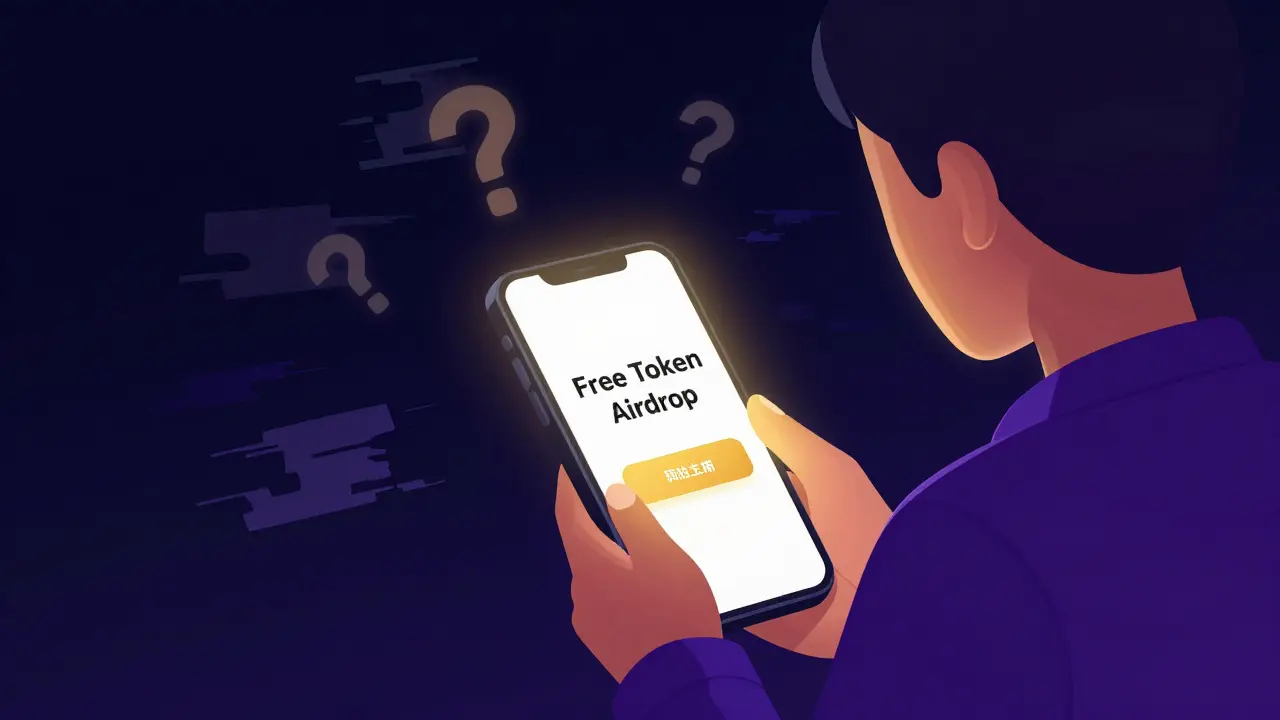
Imagine waking up to a notification about a massive airdrop from a project you've never heard of. The promise is simple: free tokens for joining a new IDO. It sounds like a dream, but in the world of decentralized finance, these opportunities often hide a darker reality. If you're looking into the Pacific DeFi a project claiming to launch a DeFi-based Initial DEX Offering (IDO) and token airdrop, you need to stop and look at the evidence first. While the allure of "free money" is strong, the lack of verifiable data makes this a high-risk situation.
The Red Flags Surrounding Pacific DeFi
When a project is legitimate, it leaves a digital footprint. You can find it on tracking sites, in developer repositories, or on established launchpads. However, Pacific DeFi is virtually invisible. There is no mention of this project on authoritative airdrop aggregators like airdrops.io, nor does it appear on vetted IDO lists from ICOAnnouncement.io.
Think about it: how can a project claim to be launching an IDO without a public roadmap or a verified whitepaper? Legitimate teams spend months building community trust and documenting their tokenomics. When a project bypasses these steps and goes straight to "airdrop" promotions, it usually means they are fishing for wallet connections or deposits rather than building a product.
How a Real IDO Actually Works
To understand why this specific airdrop looks suspicious, you have to know how a real Initial DEX Offering a token launch where the project sells tokens on a decentralized exchange functions. Usually, a project partners with a reputable launchpad to handle the distribution and vetting process. This adds a layer of security for the investor.
A standard, safe IDO process generally follows these steps:
- Whitelisting: You apply for a spot, often requiring a KYC (Know Your Customer) check to prevent bots.
- Wallet Connection: You connect your wallet to a verified platform, not a random link sent via DM or a sketchy website.
- Funding: You deposit specific tokens (like BNB or ETH) into a secure contract.
- Token Claiming: After the IDO ends, tokens are distributed based on your contribution.
If the "Pacific DeFi" process asks you to send funds directly to a wallet address or requests your seed phrase to "verify" your account, you are dealing with a scam. No legitimate project will ever ask for your private keys.
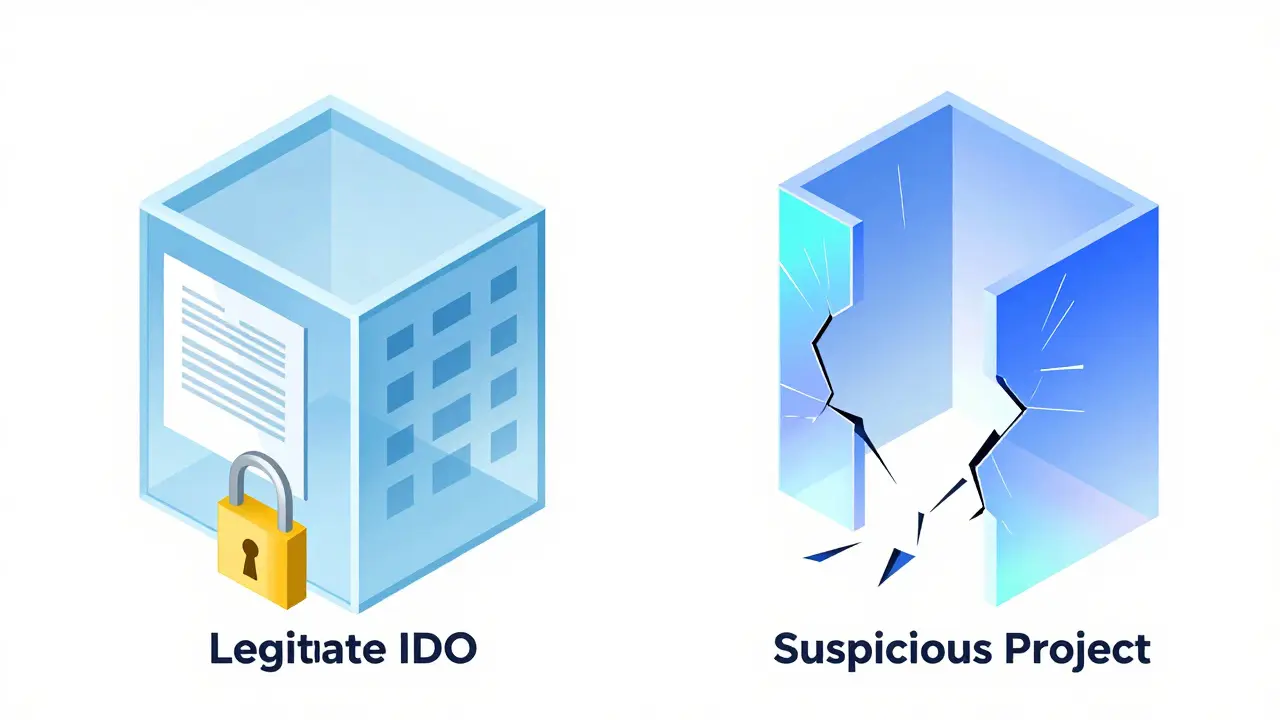
| Feature | Legitimate Project (e.g., Nexchain) | Suspicious Project (e.g., Pacific DeFi) |
|---|---|---|
| Documentation | Public whitepaper and Github repo | Missing or vague website |
| Visibility | Listed on CoinPedia or major trackers | Absent from industry sources |
| Funding | Transparent stages (e.g., Stage 27) | Unverifiable funding claims |
| Security | Third-party smart contract audits | No audit or unverified code |
Common Airdrop Traps to Avoid
Scammers love using the word "airdrop" because it triggers a fear of missing out (FOMO). They often create fake hype in Telegram groups or on X (formerly Twitter) to make the project seem popular. In the case of Pacific DeFi, the absence of any mention in the ZebPay "Top 10 Airdrops" or other vetted lists is a massive warning sign.
Be wary of "Retroactive Airdrops" that aren't backed by actual usage. For example, Solayer Labs targets users who actually interacted with their synthetic assets. If a project offers you tokens without you ever having used their software, asked you to pay a "gas fee" to claim them, or required you to "link" your wallet to a suspicious site, walk away immediately.
The Danger of the "Rug Pull"
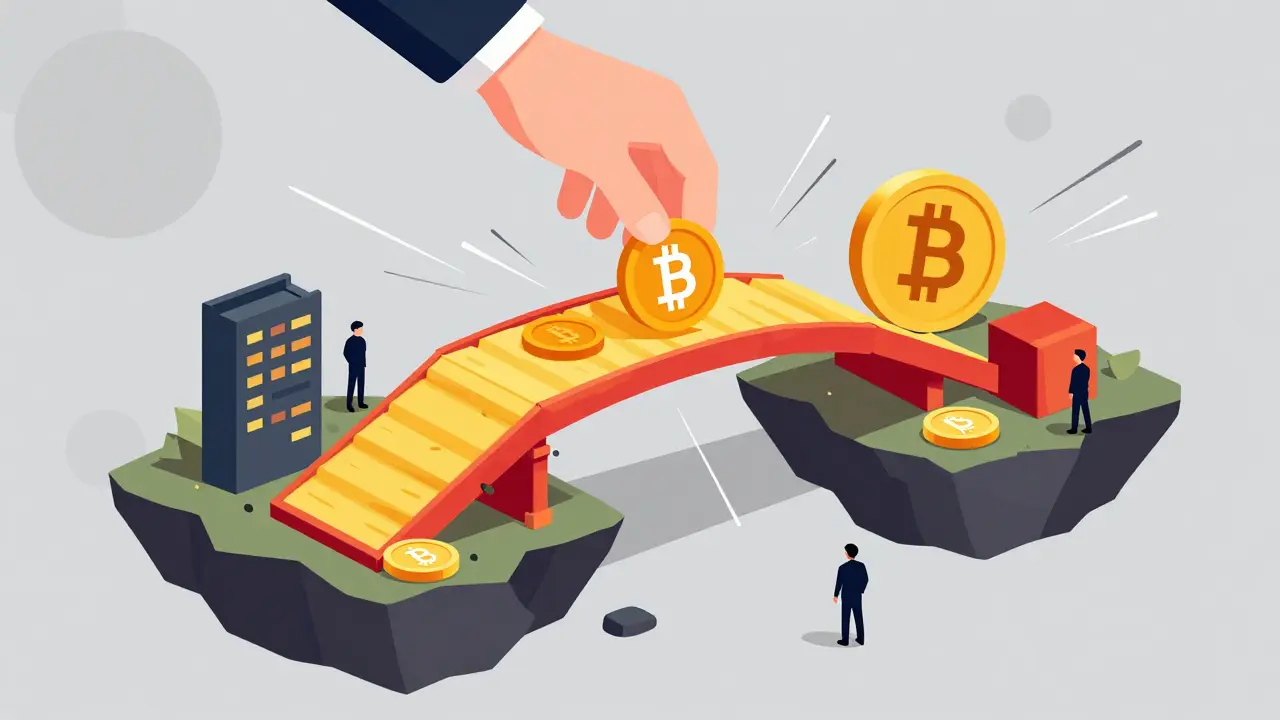
In the DeFi space, a Rug Pull a scam where developers abandon a project and run away with investors' funds is the biggest risk. Because IDOs are permissionless, anyone can create a token and a fancy-looking website. Without a public roadmap and a team with a verifiable track record, there is nothing stopping the creators from draining the liquidity pool and vanishing.
If you cannot find the project on Polkastarter, DAO Maker, or BSCPad, the chances that it is a legitimate venture are slim. These platforms act as filters; while not perfect, they provide a baseline of credibility that Pacific DeFi currently lacks.
Final Verdict: Should You Participate?
Based on all available data, there is no evidence that Pacific DeFi is a real, functioning project. It does not appear in industry-standard verification channels, it has no transparent tokenomics, and it lacks the partnerships associated with successful IDOs. Engaging with this project likely puts your funds at risk.
The best move is to stick to projects that have a proven history of transparency. If you want to hunt for airdrops, use verified aggregators and only interact with protocols that have actual users and a working product. Remember, if it feels too good to be true, it almost always is.
Is Pacific DeFi a verified project?
No. After checking major crypto tracking platforms, IDO lists, and airdrop aggregators, there is no verified information regarding a project named Pacific DeFi. This lack of transparency is a major red flag.
How can I tell if a crypto airdrop is a scam?
Be suspicious if the project asks for your private keys or seed phrase, requires a "deposit" to unlock your free tokens, or has no presence on reputable sites like airdrops.io or CoinGecko. Legitimate airdrops generally reward activity on a platform and never ask for your password.
What is an IDO and is it safe?
An IDO (Initial DEX Offering) is a way for new projects to raise funds by selling tokens on a decentralized exchange. While it can be profitable, it is high-risk. To stay safe, only use established launchpads that perform due diligence and audits on the projects they host.
What should I do if I already connected my wallet to a suspicious site?
Immediately revoke all token permissions using a tool like Revoke.cash or the approval section of your wallet. If you provided your seed phrase, your wallet is compromised; move any remaining funds to a brand new wallet address immediately.
Where can I find legitimate airdrops?
Use trusted community aggregators and official project announcements. Look for "retroactive" airdrops from established Layer 2 solutions or DeFi protocols that have a clear history of development and a large, active user base.