
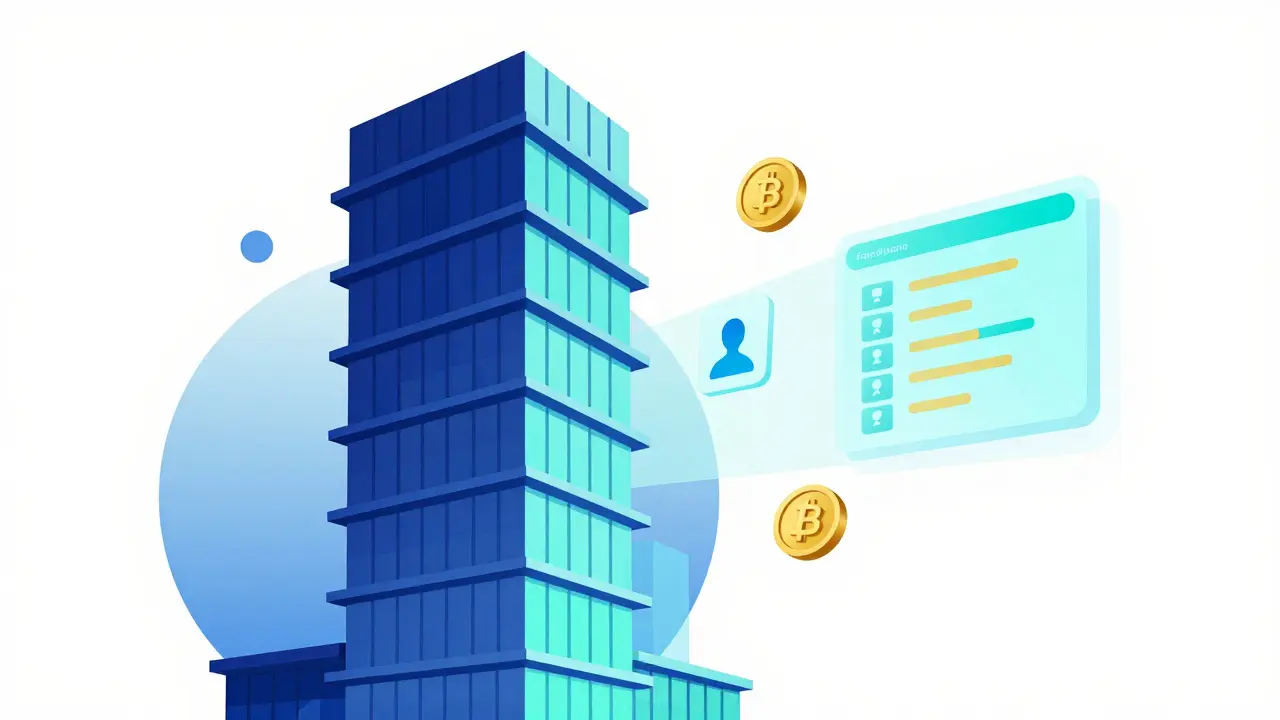
Imagine buying a slice of a luxury apartment in London or a commercial building in New York without needing a mortgage, a lawyer, or even leaving your couch. That is the promise of real estate tokenization, which uses blockchain technology to turn physical buildings into tradable digital assets. It sounds like science fiction, but it is happening right now. By converting property rights into digital tokens, specifically Non-Fungible Tokens (NFTs), investors can access a market that was previously locked behind high capital requirements and slow paperwork.
The global real estate market is valued at roughly $29 trillion. For decades, this has been one of the most illiquid asset classes in existence. If you own a house, selling it takes months. You deal with agents, banks, title companies, and government registries. Now, imagine if that process took minutes instead of weeks. This guide breaks down how real estate tokenization works, why NFTs are central to this shift, and what you need to know before putting any money into digital property.
What Is Real Estate Tokenization?
Real estate tokenization is the process of converting rights to a physical real estate asset into a digital token on a blockchain network. Think of it as digitizing the deed to a house. Instead of a paper document sitting in a county clerk’s office, the proof of ownership exists as code on a distributed ledger.
This technology addresses the biggest pain point in traditional real estate: liquidity. In the old world, if you wanted to invest in a $10 million skyscraper, you had to be an institution or a very wealthy individual. With tokenization, that $10 million asset can be split into millions of smaller tokens. Each token represents a fraction of the property. You can buy one token for $10, or ten thousand tokens for $100,000. The underlying asset remains the same, but the barrier to entry drops dramatically.
The magic happens because these tokens live on a blockchain. This means every transaction is recorded permanently, transparently, and securely. There is no single database that can be hacked or altered quietly. Every change in ownership is visible to everyone who wants to see it, provided they have the correct permissions. This transparency reduces the need for trust in intermediaries, which traditionally eat up a huge portion of your profits through fees.
NFTs vs. Fungible Tokens in Property
When people talk about crypto and real estate, they often throw around the term "NFT." But not all property tokens are created equal. Understanding the difference between Non-Fungible Tokens (NFTs) and fungible tokens is crucial for knowing what you actually own.
Non-Fungible Tokens (NFTs) are unique digital certificates. They are like a specific deed to a specific house. If you hold the NFT for 123 Main Street, you typically hold the rights to that entire property. These are often used for whole-property sales where the buyer wants full control. The NFT contains metadata-details about the address, square footage, insurance status, and history-that proves its uniqueness.
On the other hand, Fungible tokens are interchangeable. Think of them like shares in a stock. If you buy a token representing 0.01% of a shopping mall, your token is identical to someone else's 0.01% token. You can swap them freely. This model is better for fractional ownership, where many investors pool money to buy a large asset and share the rental income.
| Feature | NFTs (Non-Fungible) | Fungible Tokens |
|---|---|---|
| Ownership Type | Whole asset or unique unit | Fractional share |
| Interchangeability | No, each is unique | Yes, identical value |
| Best Use Case | Direct property purchase | Passive income investing |
| Liquidity | Lower (harder to find buyers) | Higher (easier to trade small units) |
| Complexity | High (legal transfer of title) | Medium (managed by SPV) |
Most platforms today use a hybrid approach. They might issue an NFT that represents the legal entity owning the property, while issuing fungible tokens to investors that represent shares in that entity. This keeps the legal structure clean while allowing easy trading.
How Does the Process Work?
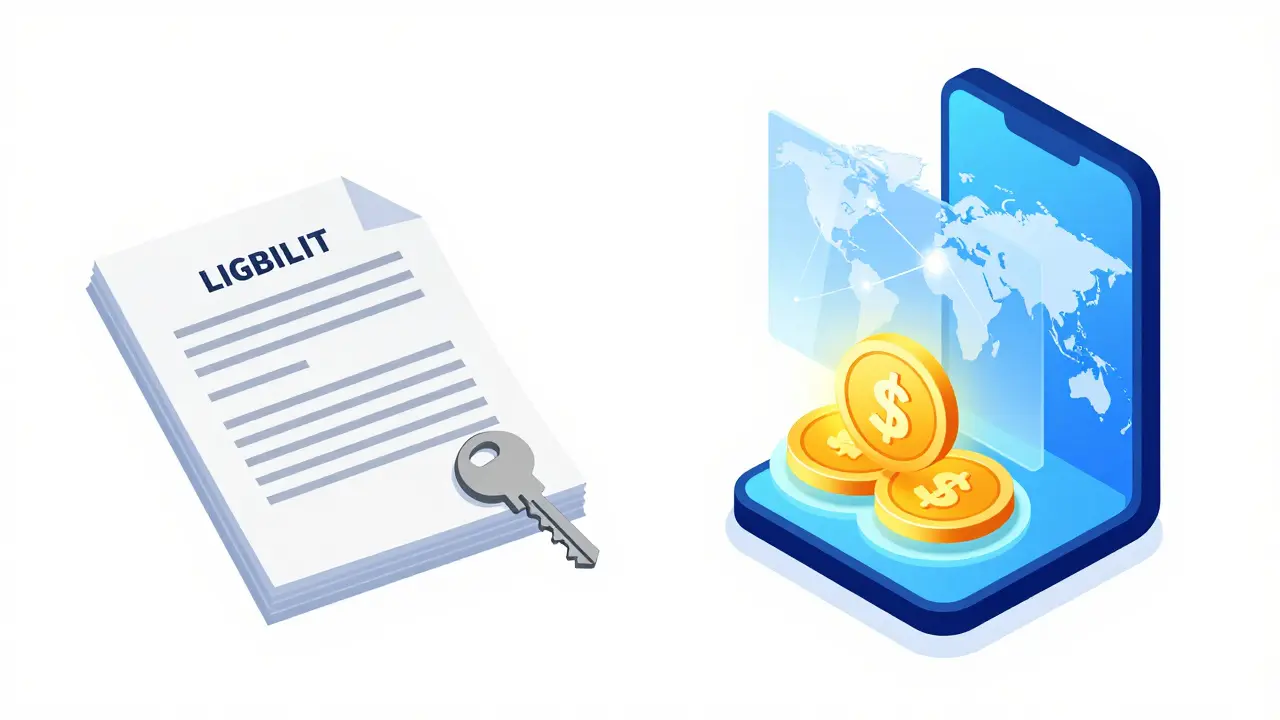
You might wonder how a brick-and-mortar building becomes a line of code. It is not just about uploading a photo to the internet. There is a rigorous legal and technical bridge required.
- Asset Selection: A developer or platform identifies a property. This could be a residential home, a commercial office, or even a portfolio of apartments.
- Legal Wrapping: The property is transferred to a Special Purpose Vehicle (SPV). This is a separate legal entity, usually a limited liability company (LLC), created solely to hold the title to the property. This isolates liability and makes it easier to manage multiple investors.
- Token Creation: Smart contracts are written on a blockchain (like Ethereum or Polygon). These contracts define the rules: who can buy, how dividends are paid, and how voting works. The total value of the property is divided into tokens.
- KYC/AML Compliance: Before anyone can buy a token, they must pass Know Your Customer (KYC) checks. This ensures that illegal funds are not entering the system and that investors meet regulatory requirements in their jurisdiction.
- Trading: Investors buy tokens using cryptocurrency or fiat currency. When they sell, the smart contract automatically updates the ownership record.
The key here is the smart contract. It is a self-executing agreement with the terms directly written into code. Once the conditions are met-for example, payment received-the contract automatically transfers the token to the buyer. No bank wire delays, no manual paperwork processing. This automation is what drives down costs.
Benefits Over Traditional Real Estate
Why bother with the complexity of blockchain when you can just go to a local real estate agent? The answer lies in efficiency and access. Traditional real estate is broken in several ways, and tokenization fixes them.
First, there is liquidity. Selling a house can take 60 to 90 days. During that time, interest rates might change, or the market might cool. With tokenized real estate, you can list your tokens on a secondary marketplace and sell them instantly, 24/7. You do not need to wait for a buyer to get pre-approved for a mortgage. You just need a buyer with a wallet.
Second, there is fractional ownership. Historically, real estate was only for the wealthy. You needed thousands of dollars for a down payment. Tokenization allows you to start with $50. This democratizes wealth building. A student in Wellington can own a piece of a warehouse in Los Angeles, earning a share of the rent.
Third, consider transparency. In traditional deals, hidden fees abound. Title insurance, escrow fees, agent commissions-they can add up to 6-10% of the sale price. In a tokenized environment, many of these roles are automated by smart contracts. While you still pay for legal setup and compliance, the ongoing transaction costs are significantly lower.
Finally, there is global access. Currently, buying property in another country is a nightmare of foreign exchange controls, tax laws, and language barriers. Blockchain borders do not exist. As long as the platform complies with international regulations, you can invest globally from your laptop.
Challenges and Risks to Watch
It is not all smooth sailing. The technology is new, and regulators are still catching up. Before you invest, you need to understand the risks.
Regulatory Uncertainty is the biggest hurdle. In many countries, it is unclear whether a real estate token is a security, a commodity, or something else. If it is deemed a security, it falls under strict financial regulations. Platforms must navigate different laws in different countries. If a platform fails to comply, your investment could be frozen or lost.
Technical Risk also exists. While blockchains are secure, the interfaces we use to interact with them-wallets and exchanges-are vulnerable. If you lose your private keys, you lose access to your property tokens forever. There is no "forgot password" button on the blockchain. Additionally, bugs in smart contracts can lead to exploits, though this is becoming rarer as audits become standard.
Market Volatility is another factor. Real estate is traditionally stable. Crypto markets are not. Many tokenized properties are bought and sold using cryptocurrencies. If the value of the underlying crypto crashes, the nominal value of your property token might drop, even if the physical building is worth the same amount. Most mature platforms allow fiat on-ramps to mitigate this, but it is a risk to monitor.
Lastly, there is the Oracle Problem. The blockchain knows the token changed hands, but it does not know if the roof leaked last Tuesday. Relying on accurate data feeds (oracles) for property maintenance and valuation is critical. If the data feeding the smart contract is wrong, the payouts will be wrong.
How to Get Started
If you are ready to dip your toes into tokenized real estate, follow these steps to stay safe and informed.
- Choose a Reputable Platform: Look for platforms that are registered with financial authorities in major jurisdictions (like the SEC in the US or FCA in the UK). Avoid anonymous projects promising guaranteed returns.
- Set Up a Wallet: You will need a digital wallet compatible with the blockchain the platform uses. MetaMask is a common choice for Ethereum-based tokens. Keep your seed phrase offline and secure.
- Complete KYC: Be prepared to upload ID documents. Legitimate platforms require this to prevent money laundering. Do not skip this step; it is your protection.
- Start Small: Treat this as an emerging asset class. Diversify. Do not put your life savings into one tokenized property. Spread your investment across different locations and property types.
- Understand the Fees: Even though blockchain reduces some costs, platforms charge management fees and transaction fees. Read the fine print to see how much of the rental income goes to you versus the platform.
The landscape is evolving rapidly. What is experimental today may be mainstream tomorrow. By understanding the mechanics of tokenization, you position yourself to benefit from the next wave of financial innovation.
Is real estate tokenization legal?
Yes, but it depends on your location. In many jurisdictions, tokenized real estate is treated as a security. This means platforms must register with financial regulators and comply with securities laws. Always check if the platform you are using is licensed in your country.
Can I live in a property I own via NFT?
If you own the entire NFT representing the whole property, yes. However, if you own fractional tokens, you generally cannot occupy the property. Fractional ownership is designed for passive income, not usage rights. The legal entity holding the title manages occupancy.
What happens if the blockchain shuts down?
Major blockchains like Ethereum are decentralized and highly resilient. It is extremely unlikely they would "shut down." However, if a specific platform goes bankrupt, your tokens might still exist on the blockchain, but accessing the underlying legal rights could become complicated. This is why choosing established platforms is crucial.
How do I get my rental income?
Rental income is collected by the managing entity, expenses are deducted, and the profit is distributed to token holders. This is usually done automatically via smart contracts. You might receive payments in stablecoins (crypto pegged to the dollar) or fiat currency, depending on the platform.
Are NFT real estate investments taxed?
Yes. In most countries, rental income from tokenized real estate is taxed as ordinary income. Capital gains tax applies when you sell your tokens for a profit. Consult a tax professional familiar with both real estate and cryptocurrency regulations in your area.