
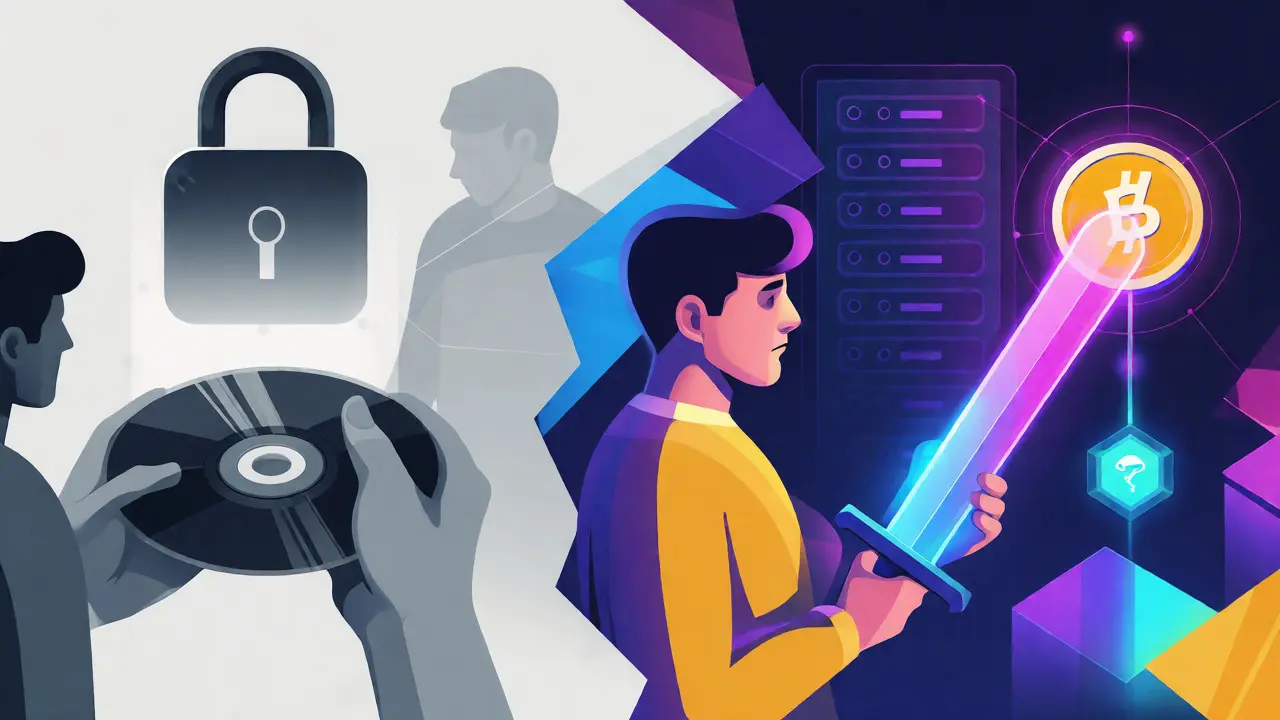
Remember the last time you spent $70 on a video game? You played it, maybe got some trophies, and then... nothing. The digital sword you farmed for ten hours? It’s stuck inside that one server, owned by the publisher, worth exactly zero dollars if you quit. Now imagine if that sword was yours. Truly yours. You could sell it on eBay, trade it for Bitcoin, or lend it to a friend. That is the core promise of Play-to-Earn (P2E) crypto games. It’s not just about playing; it’s about participating in an economy where your time has tangible value.
But here is the catch nobody tells you upfront: most P2E games in 2026 are not sustainable Ponzi schemes, but they aren’t gold mines either. If you jump in thinking you’ll get rich by clicking buttons, you will lose money. If you treat it like a side hustle with real risks, you might actually see a return. Let’s break down how these games work, what you need to start, and how to avoid getting burned.
The Shift from "Pay-to-Play" to "Play-to-Own"
Traditional gaming models have always been extractive. You pay for the box, you pay for the DLC, you pay for the loot boxes. The developer keeps the revenue, and you keep the memories. Blockchain gaming flips this script. In a Play-to-Earn model, the players are part of the economic engine. Instead of just spending money, you can earn cryptocurrency or Non-Fungible Tokens (NFTs) that hold real-world value.
This isn’t magic. It’s smart contracts. When you kill a dragon in a traditional RPG, the server logs a number change. In a P2E game, that dragon drop triggers a transaction on a blockchain network, minting a token into your personal wallet. Because the asset lives on the blockchain, not the company’s database, you own it. This ownership allows for true interoperability and trading. You aren’t renting fun; you’re investing in a digital asset class.
By 2026, we’ve moved past the hype cycle of 2021. The industry has matured from pure "Play-to-Earn," which often felt like unpaid labor, to "Play-and-Earn." The focus is now on fun first, earnings second. If a game isn’t fun without the reward, it won’t survive long-term. Players today demand quality gameplay before they care about the token price.
How Do You Actually Earn?
Earning in crypto games isn’t just about winning battles. There are multiple streams of income, and understanding them helps you choose the right game for your style.
- Token Rewards: Many games issue their own cryptocurrency as a reward for completing quests or daily tasks. These tokens can be traded on exchanges for stablecoins or major currencies like Ethereum or Solana.
- NFT Drops: Rare characters, skins, weapons, or land plots are minted as NFTs. If you find a rare item, its value depends entirely on supply and demand within the game’s community.
- Staking: Some platforms allow you to lock up your tokens or NFTs to earn passive interest. Think of it like a high-yield savings account, but riskier because the underlying asset’s price can crash.
- Guilds and Scholarships: Not everyone can afford the entry cost. Guilds buy expensive assets and lend them to players (scholars) who split the profits. This lowers the barrier to entry but requires trust and clear agreements.
It’s crucial to look at the "tokenomics"-the economic design of the game. A healthy game has sinks (ways to remove tokens from circulation, like repair costs or tournament fees) and faucets (ways to add tokens). If a game only adds tokens without removing them, inflation kills the value fast. Always ask: "Where does the money come from?" If new player deposits are the only source of payouts, the system is fragile.
Getting Started: The Tech Stack You Need
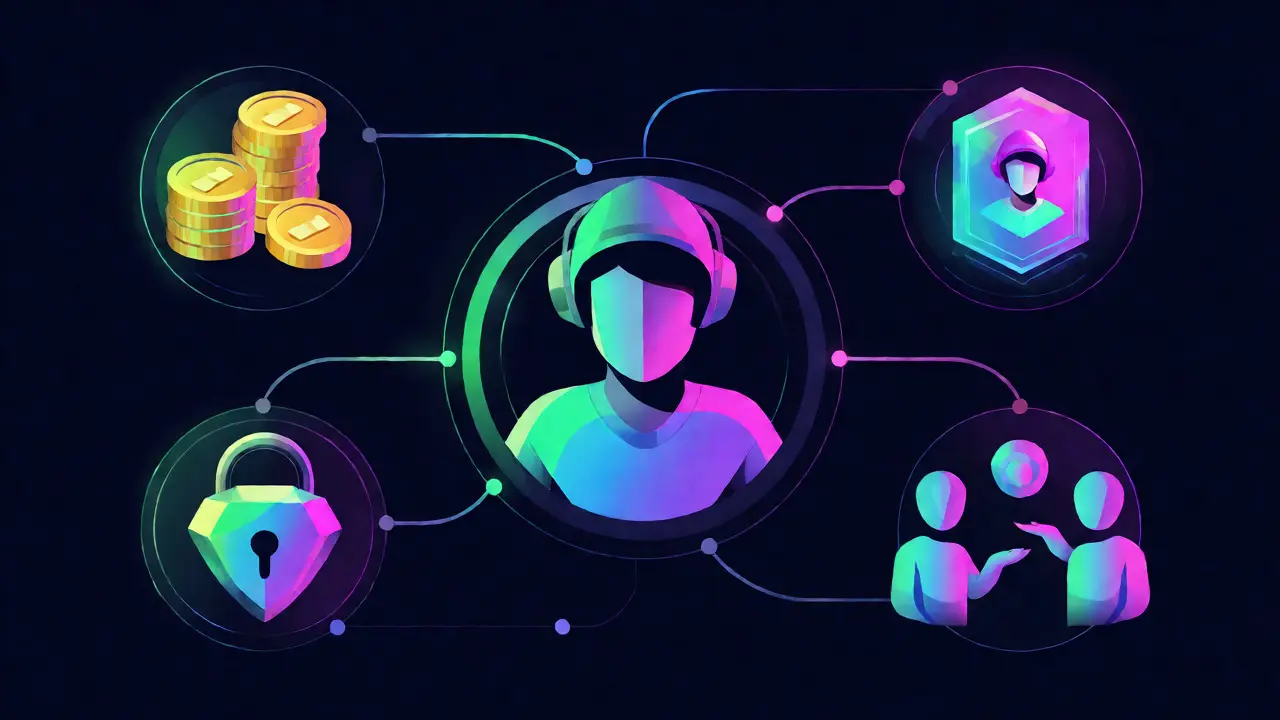
You don’t need to be a coder, but you do need to be comfortable with basic crypto tools. Here is your starter kit:
- A Digital Wallet: You need a self-custody wallet like MetaMask, Phantom, or Ronin Wallet. This is your bank account. Unlike a centralized exchange, you control the private keys. If you lose them, you lose everything. No support team can reset your password.
- Fiat On-Ramp: You’ll need to convert cash into crypto. Use a reputable exchange like Coinbase, Binance, or Kraken to buy the native coin of the game’s blockchain (e.g., ETH for Ethereum-based games, SOL for Solana).
- Marketplace Knowledge: Learn to navigate OpenSea, Magic Eden, or game-specific marketplaces. Prices fluctuate wildly. Buying an NFT at peak hype is the quickest way to lose 50% of your investment overnight.
Security is paramount. Phishing scams target gamers constantly. Never share your seed phrase. Always verify contract addresses before interacting with a new game. Treat every click as a potential risk until you’ve verified the project’s legitimacy through audits and community reputation.
The Risks: Volatility, Scams, and Sustainability
Let’s be honest about the downsides. The crypto market is volatile. Your hard-earned rewards might be worth $100 today and $40 tomorrow. This volatility makes budgeting difficult. Are you earning enough to cover your electricity and internet costs? For many, the answer is no, unless they are highly skilled or early adopters.
Scams are rampant. "Rug pulls" happen when developers drain the liquidity pool and disappear. To spot a bad project, check the team’s transparency. Are they anonymous? Is the code audited by firms like CertiK or Hacken? Does the community feel organic, or is it filled with bots spamming "to the moon"? If the whitepaper promises guaranteed returns, run away. There are no guarantees in crypto.
Sustainability is the biggest challenge. Early P2E games like Axie Infinity struggled because their economies relied on endless new users. When growth slowed, token prices collapsed. Successful games in 2026 focus on retention. They build communities, host tournaments, and create engaging content that keeps players coming back even when token prices dip.
Top Genres and Examples in 2026
The landscape is diverse. You don’t have to play complex strategy games to participate. Here’s a breakdown of common genres:
| Game Type | Example Titles | Entry Cost | Skill Level Required | Earning Potential |
|---|---|---|---|---|
| Strategy/Tactics | Axie Infinity, Gods Unchained | Medium-High ($50-$500+) | High | High (if skilled) |
| Action/Shooter | Shrapnel, Off The Grid | Low-Free to Play | Medium | Variable (based on performance) |
| Sandbox/Metaverse | The Sandbox, Decentraland | High (Land costs vary) | Low-Creative | Passive (renting/advertising) |
| Casual/Mobile | StepN, Pixels | Low-Medium | Low | Low-Steady |
Notice the shift toward Free-to-Play (F2P) models. Games like Pixels allow you to start without buying anything. You earn tokens slowly, but you can upgrade your character over time. This lowers the financial risk for beginners. However, F2P players often hit a ceiling where paying becomes necessary to compete effectively.
Strategies for Success
Treat your gaming portfolio like an investment portfolio. Diversify. Don’t put all your capital into one game. If that game’s token crashes, you still have other assets. Keep records of your transactions for tax purposes. In New Zealand and many other countries, crypto gains are taxable events. Selling an NFT for profit counts as income.
Join the community. Discord servers and Telegram groups are where the real info flows. Follow the developers’ updates. Listen to the players’ complaints. If the community is angry about a recent patch, it might signal trouble ahead. Conversely, active development and regular events show commitment.
Finally, know when to exit. Have a profit-taking strategy. If you double your initial investment, consider selling half. This lets you recoup your principal while keeping a "moon bag" for upside potential. Greed is the enemy of profit in crypto gaming.
Do I need to buy an NFT to start playing?
Not necessarily. While many classic P2E games require purchasing a starter pack or character NFT, the trend in 2026 is shifting toward Free-to-Play models. Games like Pixels or Illuvium offer free tiers where you can earn small amounts of crypto or unlock NFTs through gameplay progression. However, paid entries often provide higher earning rates and access to exclusive tournaments.
Is Play-to-Earn gambling?
Legally, it varies by jurisdiction. In many places, if skill determines the outcome more than chance, it is considered gaming rather than gambling. However, the speculative nature of buying NFTs hoping their value rises shares similarities with investing. Regulatory bodies are still catching up, so always check local laws regarding virtual asset taxation and classification.
Can I really make a living from crypto games?
It is possible but difficult. During bull markets, top players in competitive titles can earn full-time wages. However, in bear markets, earnings often drop significantly. Most successful players treat it as supplemental income rather than a primary salary. Consistency, skill, and early adoption are key factors in achieving livable earnings.
What happens if the game shuts down?
If a game stops operating, your NFTs remain in your wallet because they exist on the blockchain. However, their utility disappears. Without a functioning game loop, demand usually drops, causing the value of those assets to plummet. This is why choosing projects with strong communities and diversified roadmaps is critical for long-term survival.
Are there taxes on crypto gaming earnings?
Yes, in most jurisdictions. Earning tokens is often viewed as receiving income at the fair market value at the time of receipt. Selling those tokens later may trigger capital gains tax. Keeping detailed records of dates, times, and values is essential for accurate reporting. Consult a tax professional familiar with crypto assets in your region.