

You might see a JPEG of a bored ape selling for millions while your high-res photo sells for nothing. It feels random, right? But there isn’t a hidden magic spell behind the scenes. In 2026, we finally understand that Non-Fungible Tokens (NFTs) are valuable because they solve a very old problem: digital ownership. Before blockchains, you could copy a digital file infinitely. Now, the technology proves who owns the original version. That proof, combined with human psychology, creates the price tag.
When we look at the numbers from the last few years, the story isn't about luck. It's about mechanics. We saw trading volume explode past $25 billion in 2021. Then came the crash. Now, we are seeing the market stabilize around projects that offer real function rather than empty promises. Here is exactly what drives the cost when you click "buy" on a marketplace today.
The Foundation of Digital Scarcity
Think back to physical collectibles, like trading cards or rare stamps. Their value comes from the fact that there is only a finite number of them. If something can be copied perfectly, it loses its specialness. A Blockchain is a distributed ledger technology that records transactions across many computers so that the record cannot be altered retroactively. When an artist mints an NFT, they lock the asset onto this ledger. It establishes that out of the world's endless digital files, this specific instance belongs to you and no one else.
This isn't just marketing talk. We call this property non-fungibility. A dollar bill is fungible; if you swap one for another, nothing changes. An NFT is unique. This uniqueness allows creators to set limits. For instance, an artist might decide to mint only 10 copies of a piece. As demand grows, having fewer available copies means higher competition among buyers, which pushes the price up. This artificial scarcity is the first pillar of value. Without the limit, everyone has the image, and nobody pays extra.
Understanding Floor Prices and Market Baselines
If you browse a collection like CryptoPunks or a newer utility token project, you will notice a number listed under "Floor Price." This is a crucial metric that tells you the minimum entry cost for owning even the simplest item in that collection. It acts like the support beam for the entire project's economy.
Floor Price is the lowest listing price currently available for a specific NFT collection on secondary marketplaces. It fluctuates constantly based on what sellers list and what buyers are willing to accept. If the floor price rises steadily over time, it indicates strong investor confidence. Conversely, if it drops without stopping, it signals that people are panicked and trying to exit. This baseline helps you quickly assess the health of a project without analyzing every single sale history.
| Feature | NFT | Cryptocurrency (e.g., Bitcoin) |
|---|---|---|
| Fungibility | Unique, non-interchangeable | Interchangeable, identical units |
| Value Driver | Rarity, art, utility | Supply/demand, network usage |
| Pricing Method | Individual negotiation or auction | Global market rate |
How Rarity Traits Determine Individual Cost
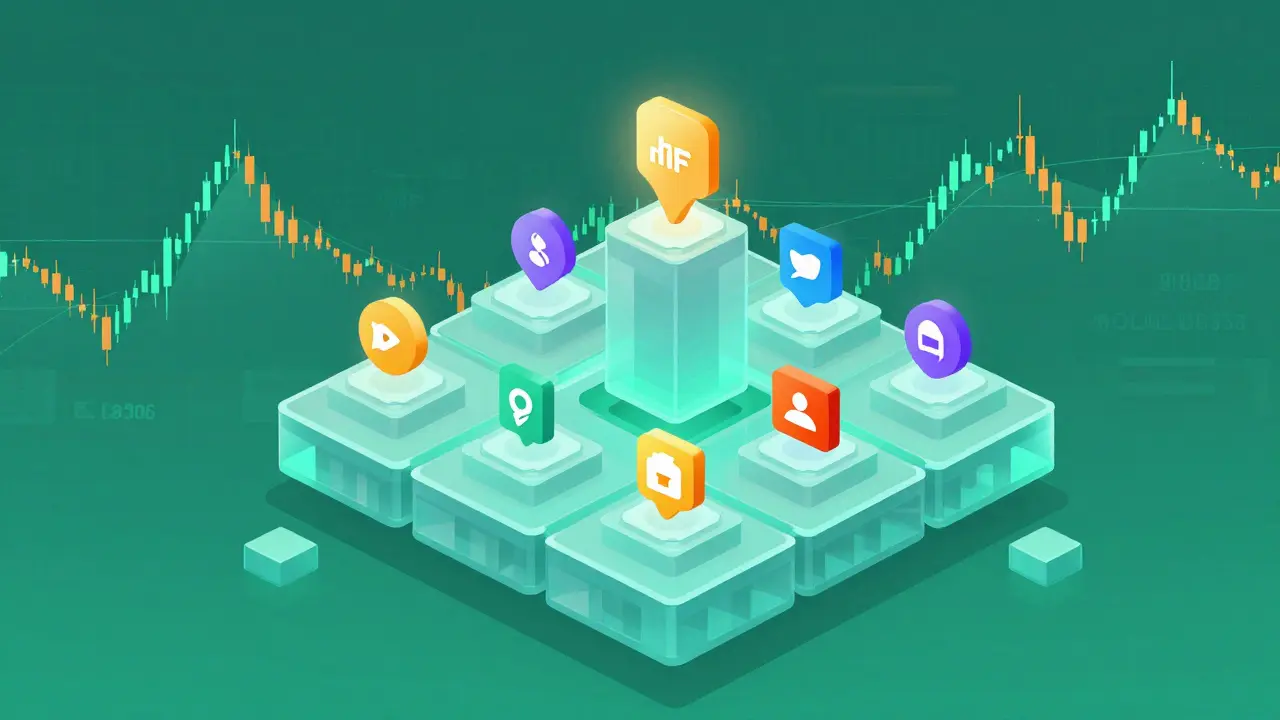
Not every item in a collection costs the same. Even in a series where everyone holds the same "type" of token, some hold significantly more value due to metadata. We often refer to this as a trait profile. Imagine a deck of Pokémon cards. You might have twenty "Charizards," but only one is holographic and has a typo in the description. That specific card is worth vastly more.
On-chain data tracks these attributes transparently. A specific background color, a golden frame, or a rare accessory in the artwork can double or triple the value of a base item. Tools analyze these attributes mathematically to determine "rarity scores." However, human perception plays a role too. Sometimes the community decides that a "ugly" trait is funny or cute, creating a trend. The market dictates which traits matter, not just the code.
Utility: Why Functionality Matters More Than Ever
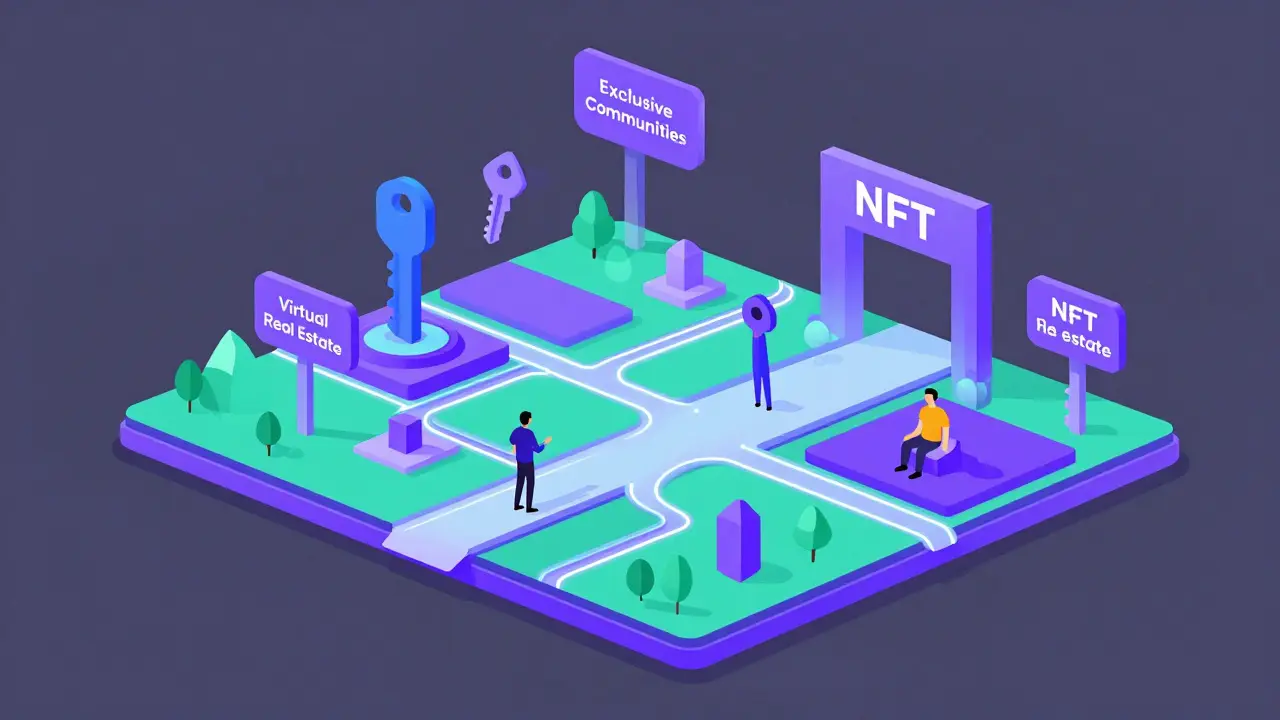
In 2021, a lot of value was driven purely by speculation. Fast forward to 2026, utility is king. An NFT that does something is almost always worth more than one that just sits there. We see this in several forms. Virtual real estate is a prime example. Owning a plot of land in a Metaverse is a shared virtual environment where users can interact, play games, and conduct business. provides income generation opportunities. You can lease that land, host events, or rent ad space.
We also see access tokens. Purchasing an NFT might grant you entry to private Discord channels, invite-only physical meetups, or early access to other product launches. Research from institutions like ETH Zurich indicated that liquidity and trade volume predict price stability better than social media hype. This confirms that active ecosystems sustain value better than passive holding. If the community uses the asset regularly, the asset retains its worth.
Creator Reputation and Social Proof
You wouldn't buy a signed painting from a stranger with no portfolio. The digital world is the same. Established artists bring a built-in audience. Their reputation transfers value to their digital works. We saw this with major brands launching collections in the mid-2020s. When a well-known fashion house releases an NFT line, the initial pricing reflects brand equity rather than just the artwork quality.
Social proof amplifies this. When influencers hold a specific token, others often jump in to ride the wave, creating temporary spikes known as FOMO (Fear Of Missing Out). While this drives short-term prices, academic analysis suggests negative correlation between social media chatter and long-term pricing sustainability. Real communities with genuine engagement in forums maintain value much longer than those relying solely on Twitter trends.
Technical Constraints and Transaction Costs
Price isn't just about the sticker price of the token itself. You have to consider the environment. Transactions happen primarily on networks like Ethereum is a decentralized platform that runs smart contracts: applications that run exactly as programmed without any possibility of downtime, censorship, fraud or third party interference. When the network gets busy, gas fees rise. This increases the cost of buying, selling, or transferring your NFT.
Smart contracts manage the logic of these transactions. They can automatically enforce royalties, ensuring the original creator earns a percentage every time the item resells. This feature was revolutionary compared to traditional art markets where original creators rarely profit after the first sale. This ongoing revenue potential influences how buyers calculate their return on investment. They aren't just paying for an image; they are paying into a system designed for longevity.
Liquidity and Market Maturity
A significant lesson from the 2022 correction was understanding liquidity. Just because an item is valued at 10 ETH doesn't mean you can instantly sell it for 10 ETH. Liquidity refers to how easily you can convert an asset into cash without affecting its price. High-volume collections have deep buyer pools, allowing quick sales near the floor price. Low-volume collections might sit unsold for months, regardless of their "floor" listing.
Traders now look at on-chain data to measure this health. We track daily trading volumes and the number of active wallets interacting with a contract. A healthy project shows consistent activity over weeks, not just one big spike followed by silence. Institutional involvement has also stabilized the sector. Museums and corporations treat these assets similarly to other intellectual property, providing a layer of professionalism that wasn't present during the speculative bubble phase.
Risk Factors and Long-Term Viability
Despite the advances, risks remain. Unlike a physical painting hanging on a wall, an NFT depends entirely on digital persistence. If the internet archive hosting the image fails, or if the domain goes down, the link might break. We call this "link rot." Advanced collectors now require IPFS storage or other decentralized backup methods to ensure the visual content survives indefinitely.
There is also the risk of regulatory shifts. While the US and other jurisdictions are still figuring out the legal framework, clearer rules generally help professionalize the market. For now, treating your collection as a speculative portfolio requires diversification. Don't put everything into one basket, especially one dependent on a single developer team or a fading trend.
What determines the actual price of an NFT?
The price is determined by a combination of factors including the floor price of the collection, the rarity of the specific traits held by the asset, the reputation of the creator, and the utility the token provides. Supply and demand dynamics within the secondary market ultimately set the final transaction value.
Does the art itself have value?
Yes, though it is subjective. While technical features drive value, aesthetic appeal drives the initial desire. However, unlike physical art, the provenance is verifiable on the blockchain, adding value through authenticity guarantees.
What happens if an NFT collection stops being supported?
If developers stop updating the ecosystem, liquidity usually dries up. Without utility updates or community management, the asset becomes a static digital image, and its price typically aligns with similar static art or depreciates toward zero.
How do gas fees affect my purchase?
Gas fees are paid to network validators to process transactions on blockchains like Ethereum. These costs vary based on network congestion. High gas fees increase the total cost of entering or exiting a position, which can impact profitability calculations.
Can I lose my NFTs?
You lose NFTs if you send them to the wrong address, sell your wallet credentials to scammers, or lose your private keys. The blockchain is immutable, meaning lost assets cannot be recovered by customer support teams.
15 Responses
The perspective on digital ownership offers a robust framework for understanding modern asset classes in our economy. We should acknowledge that the foundation of blockchain technology has changed how we verify provenance. This shift allows creators to capture value that was previously lost in traditional markets. It is important to recognize the stability that utility brings to these collections. Investors are increasingly focused on functional tokens rather than speculative art alone.
American tech supremacy dictates the future of digital ownership standards globally.
I appreciate the direct take on the subject because utility is indeed becoming the primary driver for valuation. Many projects failed in previous cycles because they lacked any real-world application for the holder. We need to look at the roadmaps closely before making any decisions on purchase. It helps to verify if the team is actively delivering on their promises consistently.
This is clearly a setup by central banking systems to monitor every single transaction on the ledger permanently. The transparency is actually a surveillance tool disguised as security for the common user. They want total control over your digital footprint while claiming to empower individuals with self custody. Metadata tracking capabilities exceed what traditional credit systems ever achieved. Be very careful trusting the narrative pushed by large institutions promoting this technology widely.
It is scary how fast gas fees jump when everyone wants to buy at the same exact moment. People forget that the network cost is separate from the listing price entirely. I have seen friends get stuck in pending states for hours because of congestion. Planning ahead can save you from losing money on unnecessary retries during peak times.
No emojis used here but the technical debt in legacy chains is substantial. Scalability remains a bottleneck for mass adoption in the coming year. Layer two solutions are promising but require deep knowledge to navigate safely. Retail users often overlook the difference in consensus mechanisms between networks.
Digital art reflects our changing relationship with physical objects globally. Different cultures are adopting these concepts at varying rates across regions. It creates a shared language for collectors who speak different native tongues. The visual aesthetic bridges gaps that traditional finance often widens significantly.
The volitility is absolutely insane and making me lose sleep tonight!!!
Gas spikes happen during high traffic periods!!! You need to watch the mempool before signing transactions!!! Safety first!!! Always verify contract addresses manually!!!
It is obvious that blockchain infrastructure relies heavily on centralized mining nodes despite claims otherwise. We must protect our national sovereignty regarding digital asset regulation. The technology stack requires immense computational power. Only superior economies can sustain such energy grids. Foreign competition often lacks the regulatory frameworks necessary for security. Our domestic developers understand smart contracts far better than overseas counterparts. The liquidity pools require deep capital reserves that only mature markets possess. Many emerging nations struggle to implement compliant layer two solutions efficiently. Security audits should prioritize entities operating within established legal jurisdictions. We see clear patterns where foreign projects attempt to circumvent tax obligations. This creates systemic risk for individual holders who lack proper legal counsel. Domestic regulations actually provide a layer of consumer protection. International arbitrage opportunities vanish when compliance standards rise. It is imperative that we support local initiatives over foreign scams. True decentralization is a myth used by bad actors to evade oversight mechanisms.
How quaint that you think JPEGs hold intrinsic worth without institutional backing behind them. Most of this talk sounds like amateur hour to professional market participants. Real value is derived from cash flow and not speculative traits. Your analysis ignores the fundamental flaws in current tokenomics.
Most retail investors are simply gambling away their rent money lol :)
i feel like gas fees are the real killer for small wallets since nobody talks about the network congestion enough to prepare beginners
The historical context of collectibles provides a fascinating mirror for our current digital landscape. We observe similar psychological triggers during stamp collecting eras decades ago. Scarcity was manufactured through limited print runs much like mint limits today. The community aspect was even stronger back then with physical meetings and clubs. Digital forums now replace those physical gathering spots effectively. Trust mechanisms evolved from personal reputation to cryptographic proof. It makes me think about how human desire drives value regardless of medium. Physical items degrade while digital proofs remain immutable forever. This durability factor changes the calculation for long term investment strategies. Generational wealth transfer works differently when inheritance includes digital keys. Estate planning for crypto assets remains a significant hurdle for many families. Traditional financial advisors struggle to comprehend these non-fungible structures properly. Education is the primary bridge between old money and new digital assets. We must encourage inclusive growth within these communities to prevent exclusivity issues. Sustainable ecosystems require constant maintenance and active development teams.
Floor price determines entry!!! Do not ignore metrics!!! Liquidity is key!!!