
You’ve probably seen the flashy posts on social media promising free WSPP tokens. The project calls itself "Wolf Safe Poor People" and claims to be using blockchain technology to fight global poverty. It sounds noble, right? But before you connect your wallet or enter any personal details for this so-called airdrop, you need to pause. The reality behind WSPP is starkly different from its marketing pitch.
This isn’t just another low-cap gem waiting to explode. Based on market data, user reports, and security analysis, WSPP displays nearly every red flag associated with high-risk cryptocurrency scams. If you are looking for legitimate ways to support charitable causes through crypto, this token is not it. Here is the unvarnished truth about the WSPP project, why its airdrop claims are likely dangerous, and how you can protect your funds.
The WSPP Project: Noble Claims, Empty Reality
Wolf Safe Poor People (WSPP) positions itself as a revolutionary currency designed to reduce world poverty. The project operates on two major networks: Binance Smart Chain (BSC) and Polygon. On paper, they claim to use decentralized applications (DApps) to help people in need, running backend code on peer-to-peer networks rather than centralized servers.
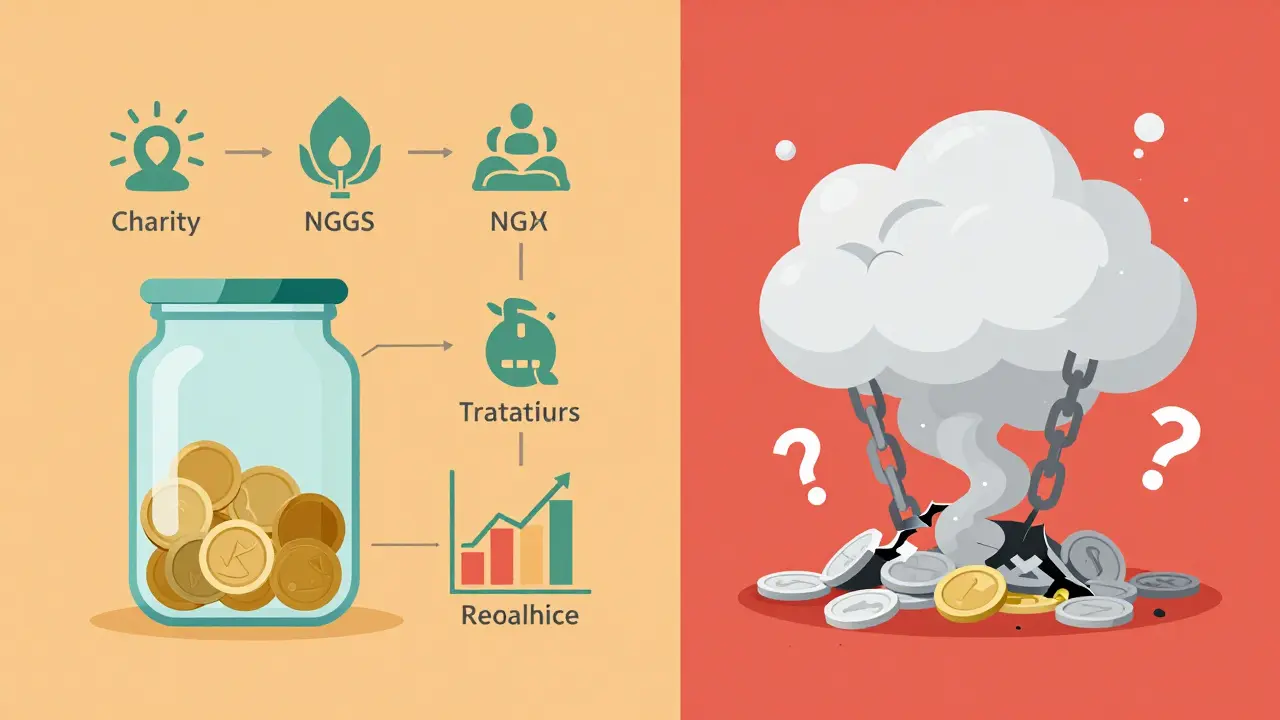
However, when you look past the slogans, the substance disappears. There is no verifiable evidence of actual poverty reduction initiatives. Unlike established organizations like GiveDirectly, which has distributed over $500 million in verified cash transfers, or Worldcoin, which has millions of verified users across dozens of countries, WSPP provides zero transparency regarding fund allocation. They don’t publish impact reports, they don’t partner with recognized NGOs, and they don’t show where the money actually goes.
The project’s primary communication channel is a Telegram group called @robowolfproject. This lacks public membership metrics or substantive discussion archives. In the world of legitimate blockchain projects, you expect active GitHub repositories, detailed whitepapers, and multi-channel community engagement. WSPP offers none of this. Instead, you get vague promises and a token that trades at less than one ten-billionth of a dollar.
Tokenomics That Signal Danger
If you have been in crypto for more than a few months, you know that tokenomics tell a story. The story WSPP tells is one of extreme speculation and likely manipulation. Let’s look at the numbers as of late 2025 and early 2026:
- Circulating Supply: Over 13.5 quadrillion tokens.
- Price: Approximately $7.04e-11 USD (essentially zero).
- Market Cap: Under $1 million for the BSC version; barely $50 for the Polygon version.
- Trading Volume: Less than $10,000 in 24 hours.
These metrics are characteristic of "meme coins" or "pump-and-dump" schemes, not utility tokens with real-world value. A supply of 13.5 quadrillion tokens means that even if the price doubled, you wouldn’t make enough to buy a cup of coffee unless you held an astronomical amount. More importantly, the liquidity is dangerously thin. With trading volumes under $10,000 daily, you might find yourself unable to sell your tokens even if you wanted to exit.
| Feature | WSPP (Wolf Safe Poor People) | Legitimate Projects (e.g., AidCoin, Worldcoin) |
|---|---|---|
| Transparency | No impact reports, no NGO partnerships | Quarterly reports, verified distributions |
| Liquidity | Extremely low (<$10k/day) | High, listed on major exchanges |
| Audits | d>Unverified claim of Solidity Finance audit | Regular audits by firms like CertiK or OpenZeppelin |
| Community | Single Telegram group, no GitHub activity | Active Discord, Twitter, GitHub, and forums |
| Risk Level | Extremely High (Scam indicators) | Moderate to Low (Regulated/Verified) |
The "Airdrop" Trap: Why You Should Avoid It
The title of this article mentions an "airdrop," but here is the hard truth: there is no legitimate WSPP airdrop program. The project does not appear on reputable airdrop tracking platforms like Airdrop Alert or CoinMarketCap’s official airdrops section. Any website, bot, or message claiming to offer free WSPP tokens is almost certainly a phishing attempt.
Scammers often use the allure of "free money" to trick inexperienced users into connecting their wallets to malicious smart contracts. Once you interact with these fake airdrop sites, you risk draining your entire wallet balance. According to Chainalysis, airdrop-themed scams increased by 41% in Q3 2025 alone. The SEC has also highlighted "charity-themed tokens with misleading impact claims" as a top investigative focus, following hundreds of enforcement actions against similar projects.
Even if you somehow acquire WSPP tokens through a decentralized exchange (DEX), you face significant barriers. Users have reported hidden transfer taxes exceeding 95% on sells, effectively trapping investor funds. One user on Reddit documented a 99.8% price drop within 24 hours of purchase, with no volume available to exit the position. This is a classic rug pull mechanism.
Security Red Flags and User Experiences
User feedback for WSPP is uniformly negative. On Trustpilot, platforms supporting WSPP trading hold an average rating of 1.2 out of 5 stars. Common complaints include:
- "Impossible to sell tokens" due to high slippage or hidden fees.
- "Misleading charity claims" with no proof of donations.
- "Wallet draining incidents" after interacting with unofficial links.
Blockchain security firm CertiK noted in its 2024 DeFi Risk Report that tokens claiming charity purposes without transparent fund management represent 37% of detected scam projects. Investors in these types of schemes lose an average of 98.7% of their capital within six months. While no specific expert commentary on WSPP exists in major research platforms like Messari or The Block, its structural similarities to known scam patterns are undeniable.
The project claims to be "audited by Solidity Finance," but no specific audit date, findings, or accessible documentation exist. In contrast, legitimate projects undergo regular third-party audits and publish the results openly. The absence of such verification is a major warning sign.
How to Protect Yourself from Crypto Scams
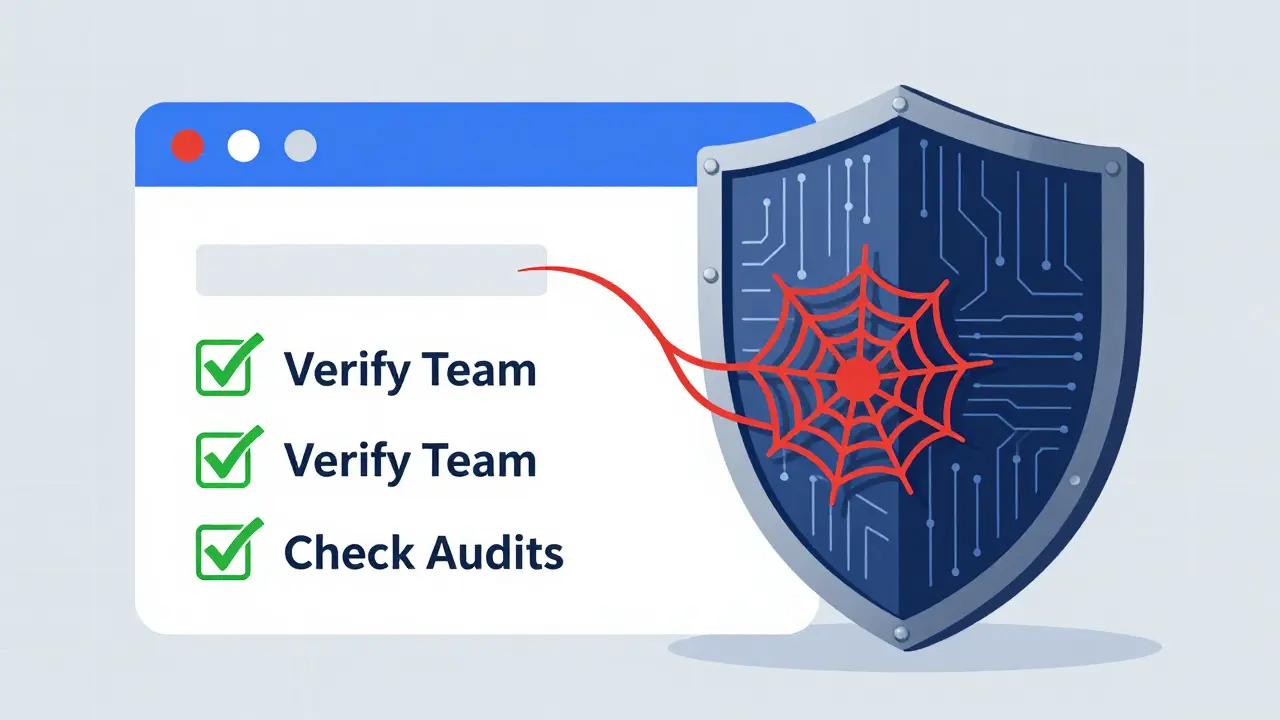
If you are interested in cryptocurrency, especially in the context of social impact, you must prioritize safety over FOMO (fear of missing out). Here is a checklist to evaluate any new token or airdrop opportunity:
- Check the Source: Is the project listed on CoinMarketCap or CoinGecko? Does it have a verified contract address?
- Verify the Team: Are the developers doxxed (identities revealed)? Do they have LinkedIn profiles and professional histories?
- Look for Audits: Has the code been audited by a reputable firm like CertiK, OpenZeppelin, or Hacken? Can you read the full report?
- Assess Liquidity: Is there enough trading volume to buy and sell easily? Low liquidity is a trap.
- Skeptical of "Too Good to Be True": Free airdrops for unknown tokens are rarely free. They usually cost you your private keys.
For those wanting to support poverty alleviation through crypto, consider established platforms like Binance Charity, which supports over 120 projects across 30 countries with full transparency. Or look into projects like AidCoin, which has distributed $24 million in verified charitable contributions. These projects provide receipts, not just promises.
Final Verdict: Stay Away from WSPP
The Wolf Safe Poor People (WSPP) token is a high-risk speculative asset with minimal fundamental value. Its claims of fighting poverty are unsubstantiated, its tokenomics are designed for manipulation, and its user base is filled with warnings of lost funds. There is no legitimate airdrop to participate in-only potential phishing traps.
In the evolving landscape of blockchain-for-good, transparency is non-negotiable. WSPP fails this test completely. Protect your digital assets by ignoring unsolicited offers for this token and focusing on verified, transparent projects that deliver real-world impact.
Is the WSPP airdrop real?
No, there is no legitimate WSPP airdrop. The project does not list on reputable airdrop trackers, and any claims of free tokens are likely phishing attempts designed to steal your wallet credentials.
What is Wolf Safe Poor People (WSPP)?
WSPP is a cryptocurrency token operating on Binance Smart Chain and Polygon. It claims to fight poverty but lacks verifiable impact, transparent governance, or legitimate backing, exhibiting many characteristics of a scam.
Can I sell my WSPP tokens?
Selling WSPP tokens is extremely difficult due to negligible liquidity and reported hidden transfer taxes exceeding 95%. Many users have found themselves unable to exit their positions, resulting in total loss of funds.
Has WSPP been audited?
The project claims to be audited by Solidity Finance, but no public audit report, date, or findings are available. This lack of verifiable security verification is a significant red flag.
Are there safer alternatives for charitable crypto?
Yes. Consider established platforms like Binance Charity, GiveDirectly, or Worldcoin. These organizations provide transparent reporting, verified impact metrics, and operate with regulatory compliance.